

Ovary Germ Cell Tumour: Will You Need BEP After Surgery?

Last updated: 25-Nov-2026

Tapping Book on WhatsApp will likely open the WhatsApp app on your phone.

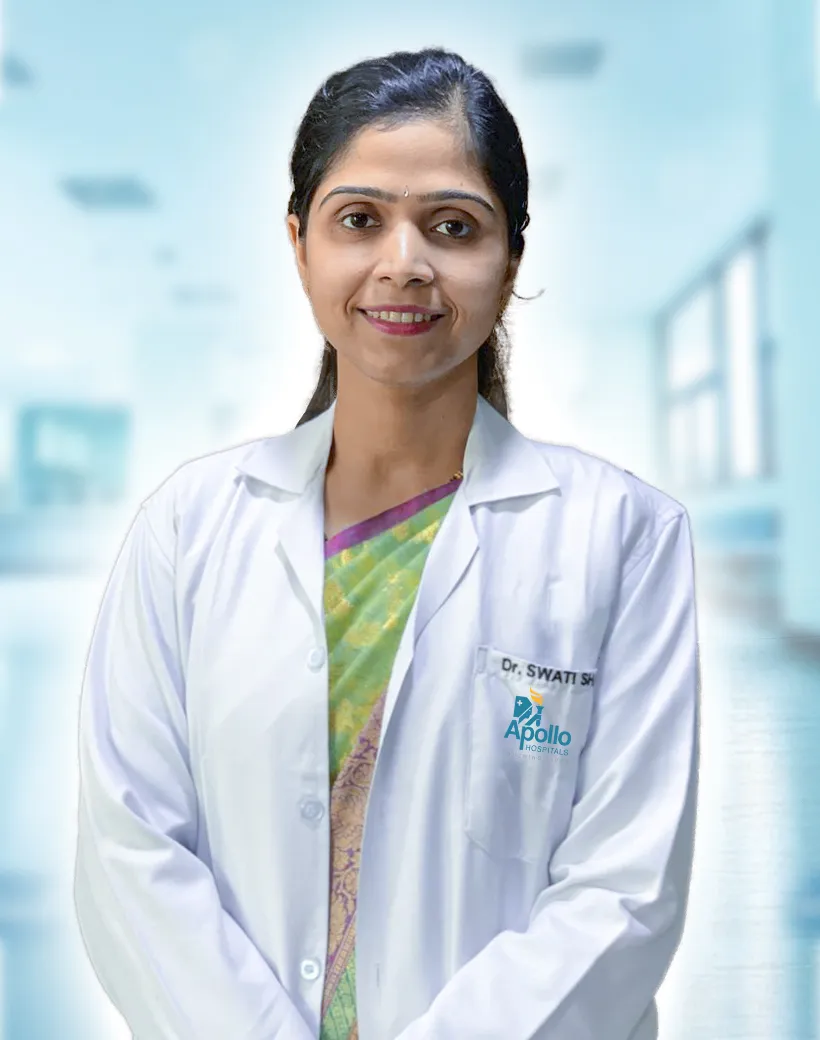
Portrait of Dr Swati Shah, ovary cancer surgeon, Ahmedabad

Dr Swati Shah
MS, DrNB (Surgical Oncology)
Ovary Cancer Surgeon · 18 years of experience

Treats cancers of the ovary, including germ cell tumours in young women. Plans each step around your reports and your wish to have children. Sees patients at the Gota clinic, Ahmedabad, and at Apollo Hospital, Bhat, Gandhinagar.

In short

Most germ cell tumours of the ovary need chemotherapy after the operation. Only a few very early, low-risk ones are watched without drugs. These tumours respond well to drugs, so the plan usually keeps fertility in view.

The order is set by stage, tumour type and blood markers. Your reports decide it, not a fixed rule.

The full guide is on our main page about germ cell tumour of the ovary and fertility-sparing surgery. This post explains the drug side: who needs it, when it starts and what to expect.

Does every germ cell tumour need chemotherapy?

No, but most do. A small group of very early, low-risk tumours is managed with surgery and close watch instead.

Germ cell tumours grow from the cells that form eggs. They mostly affect girls and young women. Several types exist, such as dysgerminoma, yolk sac tumour, immature teratoma and mixed tumours. Some types are very sensitive to drugs, which is why chemotherapy is so often used. How far the tumour has spread is explained in our post on the stages of ovarian germ cell tumour.

Which comes first, the operation or the drugs?

The operation usually comes first. It removes the tumour and tells the team the exact type and stage.

Order of treatment in ovarian germ cell tumour compared by situation, usual sequence and the reason
SituationUsual orderReason
Earliest stage, dysgerminoma or low-grade immature teratomaSurgery, then close watch with scans and blood markersFully removed disease carries a low risk of return, so drugs can often be spared
Beyond the earliest stage, or yolk sac, embryonal or mixed tumoursSurgery, then chemotherapyThe report shows a higher risk, and drugs lower it
Wide spread, very high markers, or too unwell for a big operationChemotherapy first, then surgery for any mass that is leftThe drugs shrink the disease and make the operation safer

In young women the surgeon tries to keep the womb and the healthy ovary when it is safe. The operation itself is described on our main page. Chemotherapy is planned around it, not instead of it.

Which drugs are used?

The usual combination is bleomycin, etoposide and cisplatin, often called BEP. It is given in cycles about three weeks apart.

  • Most women need three or four cycles, depending on the stage and the report.
  • In selected dysgerminoma, a gentler pair of etoposide and carboplatin may be chosen.
  • Each cycle takes a few days of drip treatment, followed by a rest period at home.

Your medical oncologist sets the exact schedule. It depends on your blood counts, your kidneys and your lungs.

How do blood markers guide the plan?

Three blood tests act as a tracker. These are AFP, beta hCG and LDH. They are checked before surgery, before each cycle and after the last one.

Not every germ cell tumour makes these substances, but many do. A falling level tells the team that the drugs are working. A level that stays high, or rises, prompts a scan and a review of the plan. Normal levels after treatment are a reassuring sign, and they are followed for a long time to catch any return early.

Will chemotherapy affect fertility?

The aim is to keep fertility. The womb and the healthy ovary are usually left in place, and most women can plan a family later.

Chemotherapy can pause periods for a while, and they often return after treatment ends. Talk about fertility before the first cycle. In some young patients, freezing eggs may be discussed, if time allows. The decision is made together, and it never delays treatment that is urgent.

What side effects are watched?

The team watches blood counts, kidneys, hearing and lungs. Each drug has its own checks.

  • Hair loss, nausea and tiredness are common, and anti-sickness medicines help.
  • Low blood counts raise the risk of infection, so fever needs a call at once.
  • Cisplatin can affect the kidneys and hearing, so these are tested.
  • Bleomycin can affect the lungs, so a breathing test is done first, and breathlessness or a dry cough is reported early.

Most side effects settle after treatment. Your team will tell you what to watch for at home.

What happens after the last cycle?

A scan and blood markers are repeated. If a mass remains on the scan, a second operation may be needed to remove it.

If the scan is clear and the markers are normal, follow-up visits begin. They are spread out over several years. If a mass remains, it is removed and examined, because some remaining tissue may be only scar or mature teratoma. The final report then guides whether any more treatment is needed.

What should you bring and ask?

Bring every report and ask for the order of treatment in writing. A clear plan gives a reason and a review date for each step.

  • All scans, blood reports and tumour marker values.
  • The biopsy or surgery report, with the tumour type.
  • A list of your medicines and past illnesses.
  • One family member who can listen and help recall what was said.

Frequently asked questions

Do all women with a germ cell tumour need chemotherapy?

No. A few very early, fully staged tumours of low risk need only surgery and careful watch. Most others are advised drugs after the operation.

Is chemotherapy given before or after the operation?

Usually after. It is given first only in special cases. These are wide spread, very high markers, or a patient too unwell for surgery.

How long does the treatment last?

Three or four cycles, three weeks apart, so about two to three months of drugs. Surgery and recovery add to this time.

Can I have children after chemotherapy?

Most women can. The womb and the healthy ovary are kept where safe. Your surgeon will discuss this before treatment starts.

Will my hair grow back?

Yes. Hair usually begins to return a few weeks after the last cycle.

Can I be treated in Ahmedabad?

Yes. Dr Swati Shah sees patients at the Gota clinic and plans surgery at Apollo Hospital, Bhat, Gandhinagar.

Where to see Dr Swati Shah

Clinic, Gota, Ahmedabad

Shah’s Gastro, Cancer & Robotic Surgery Centre
SF-203, 2nd Floor, Olive Greens, Gota, S G Highway, Ahmedabad, Gujarat 382481

+91-63590-11009 · Open in Google Maps

Apollo Hospital, Bhat

Apollo Hospital, Bhat, Gandhinagar
Apollo Hospital International Limited, Plot No. 1 A, GIDC Bhat Industrial Estate, Bhat, Gandhinagar, Gujarat 382428

+91-63555-64601 · Open in Google Maps

Consultations at the clinic at Gota, Ahmedabad. Surgery at Apollo Hospital, Bhat, Gandhinagar.

Back to the main guide: Germ cell tumour of the ovary: fertility-sparing surgery in Ahmedabad.

Read this page in: ગુજરાતી हिन्दी

Told you have a germ cell tumour of the ovary, and worried about chemotherapy? Dr Swati Shah, a cancer surgeon, can explain what your own reports mean for the order of treatment. Bring every scan, blood report and biopsy report you have. Call For Appointment Book on WhatsApp Tapping Book on WhatsApp will likely open the WhatsApp app on your phone.

Tapping Book on WhatsApp will likely open the WhatsApp app on your phone.

Get health updates from Dr Swati Shah on WhatsApp

Swasth Parivar: every week, practical advice on recovery, diet and warning signs. No advertising. Stop any time.

Your number is used for these updates and for the clinic to reach you. It is never sold or passed on. To stop, reply STOP on WhatsApp.

Make An Appointment!