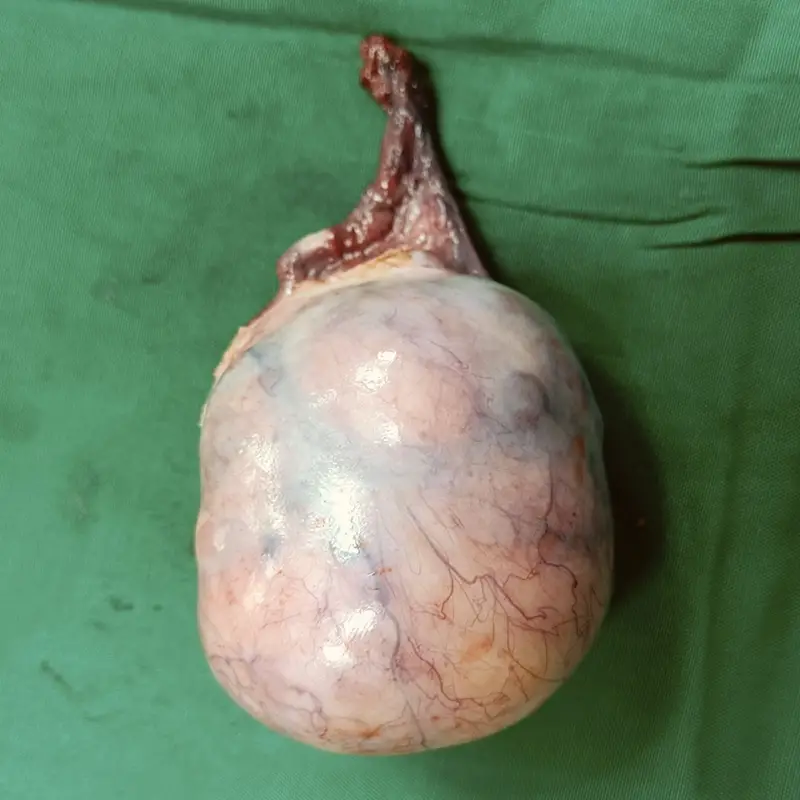
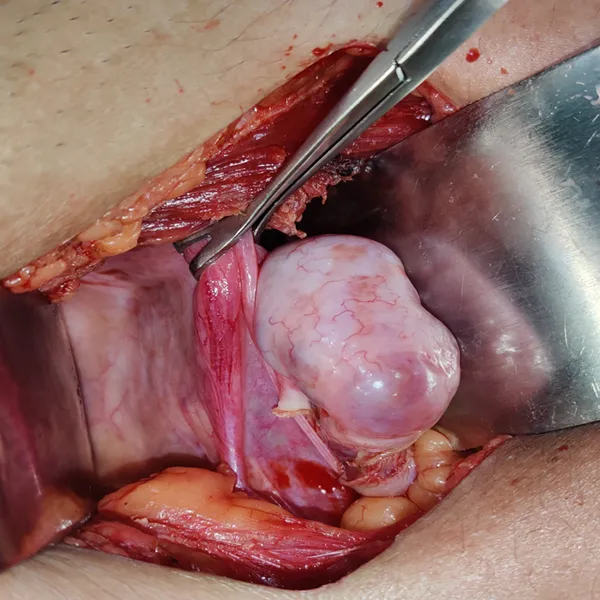
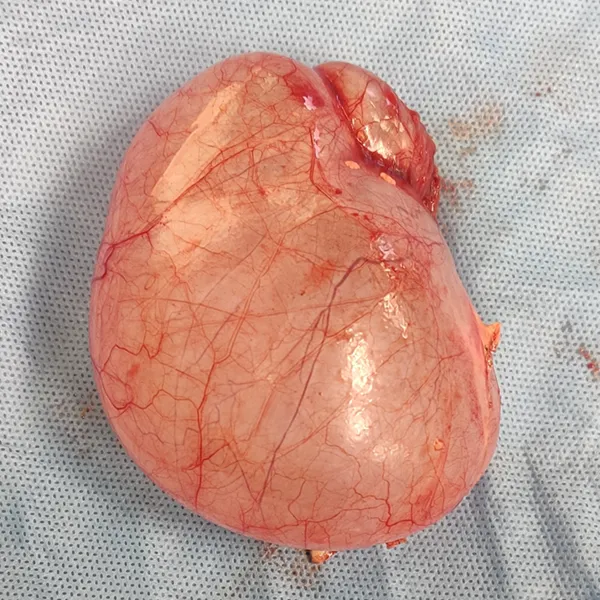
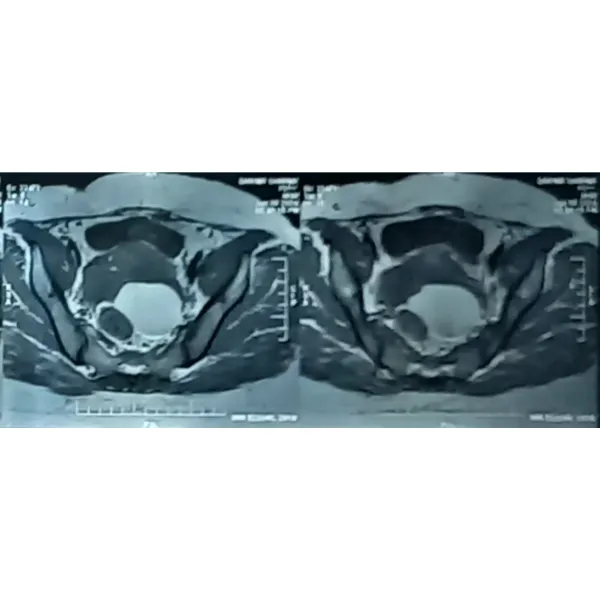
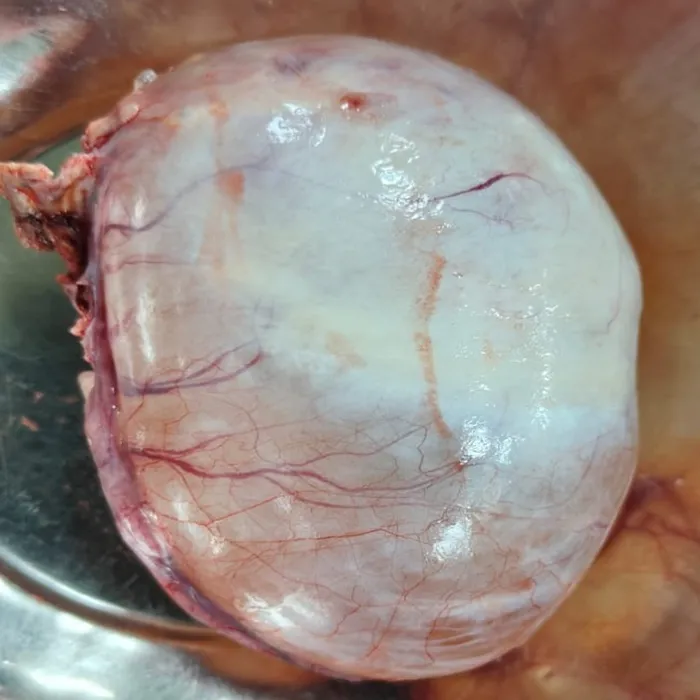
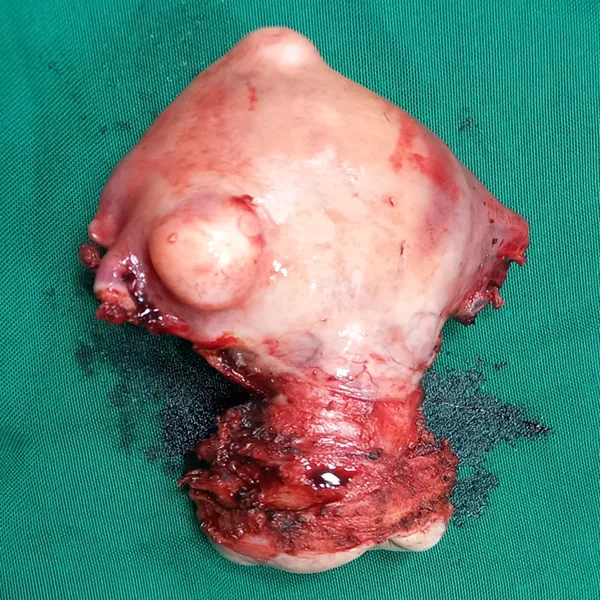
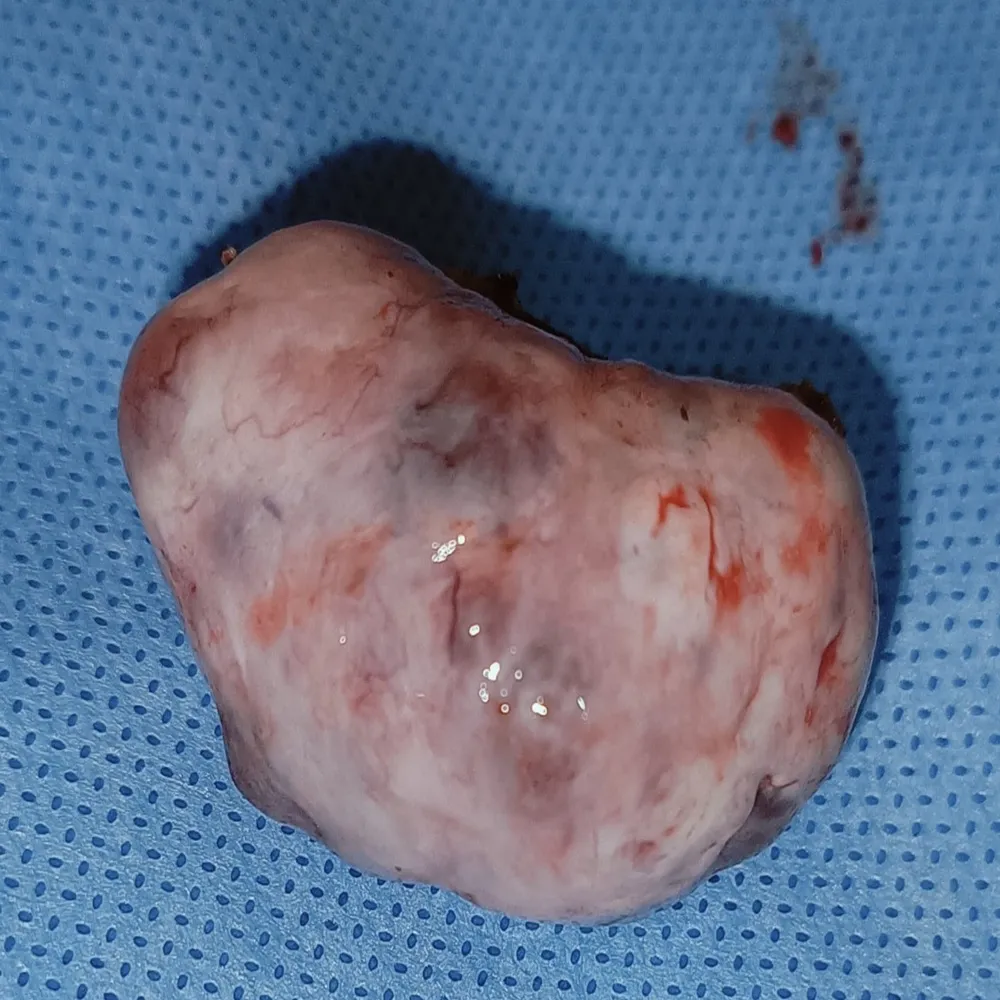
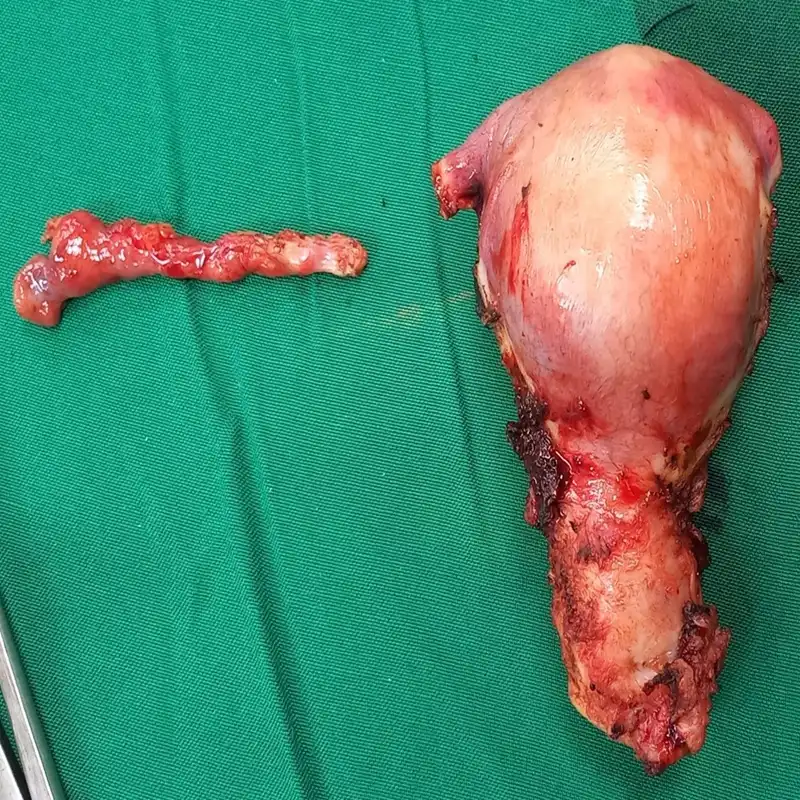
Laparoscopic/ Robotic ovary tumour/ cancer surgery for Ovary Cancer

Our Patient Stories & Surgical Journeys

Laparoscopic & Robotic Surgery for Ovarian Cysts, Ovarian Tumours & Selected Ovarian Cancers

Why Choose a Minimally Invasive Approach?

Our Approach to Laparoscopic & Robotic Ovarian Surgery

Our Experience in Laparoscopic & Robotic Ovarian Surgery

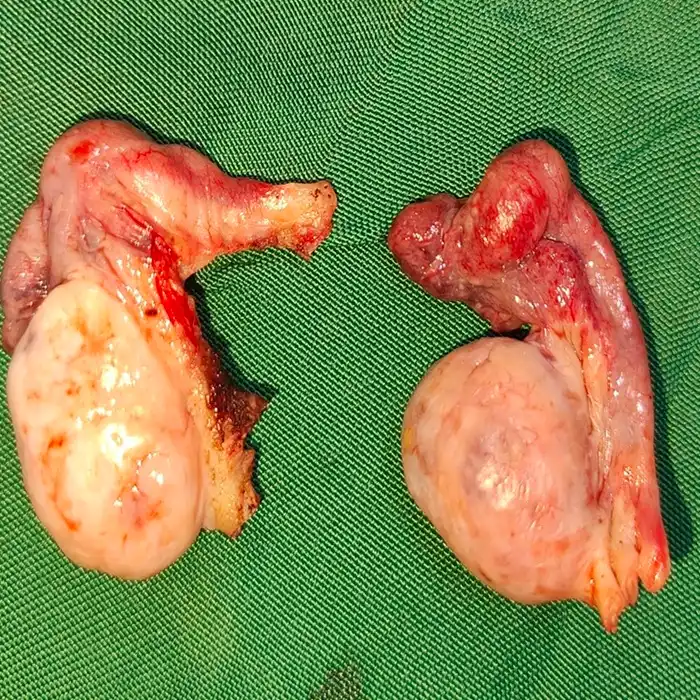
Prophylactic Laparoscopic Bilateral Salpingo-Oophorectomy For High-Risk BRCA1 Positive Breast Cancer

A 37-year-old female patient presented with aggressively treated left invasive ductal carcinoma and a strong genetic predisposition due to a BRCA1 positive mutation. Because of her heightened risk for ovarian malignancy, an urgent prophylactic surgical intervention was required to prevent future gynecological cancers while she recovered.

The Solution


⦿ Laparoscopic Risk-Reducing Bilateral Salpingo-Oophorectomy

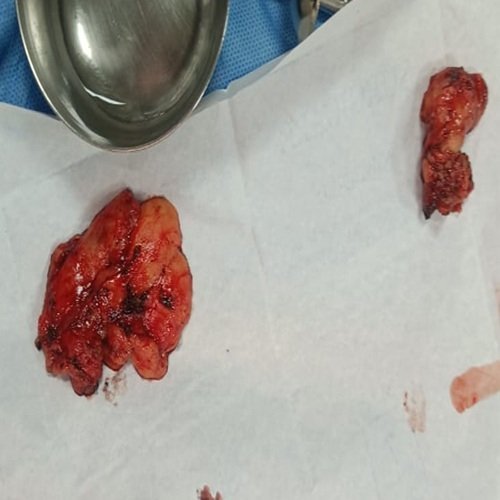
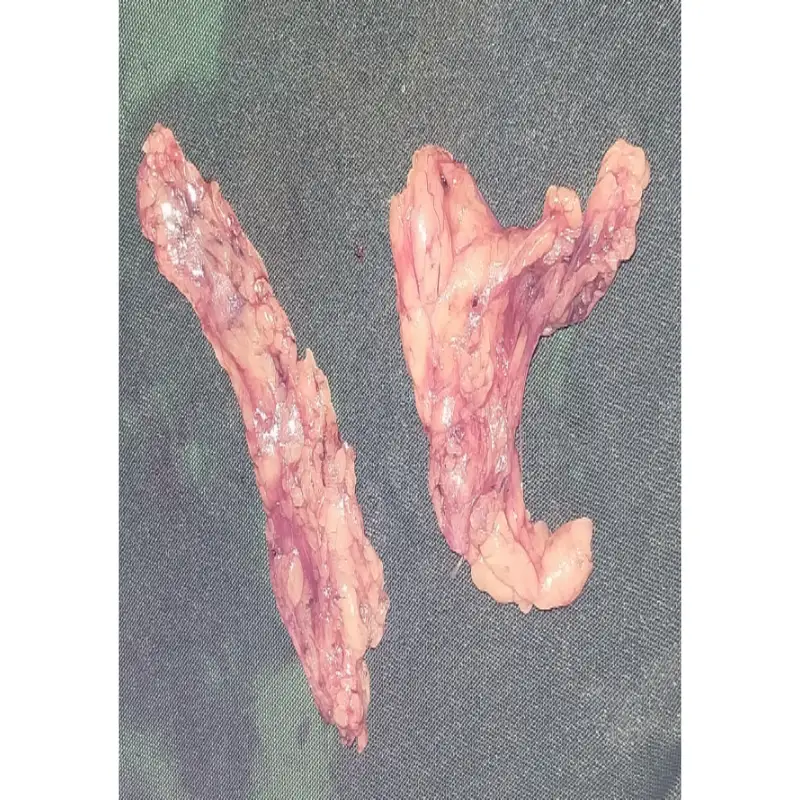
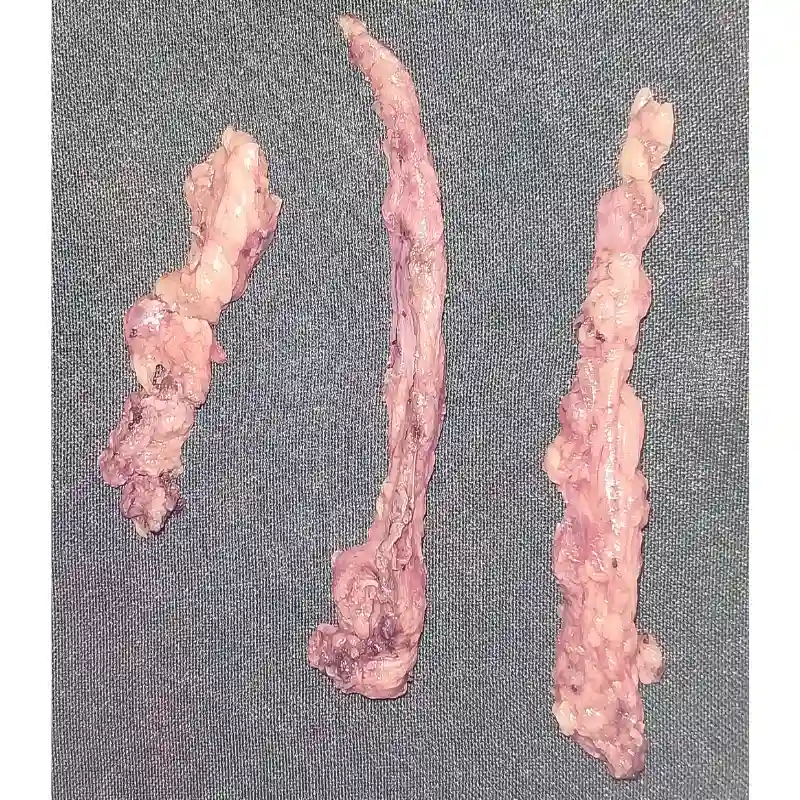
Dr. Swati Shah performed a highly precise laparoscopic bilateral risk-reducing salpingo-oophorectomy to completely remove the ovaries and fallopian tubes. Using advanced minimally invasive visualization, the procedure was executed seamlessly alongside her breast surgeries to ensure maximum oncological safety and minimal additional physiological stress.

» Surgical Highlights & Precision


• Procedure Technique: A minimally invasive laparoscopic four-port approach was utilized for optimal visualization.

• Genetic Risk Mitigation: Both fallopian tubes and ovaries were successfully completely extracted to neutralize future BRCA1-related threats.

• Patient Safety: Excellent hemostasis was achieved throughout the rapid procedure with virtually zero significant intraoperative blood loss.

• Surgical Completeness: The high-risk adnexal tissues were fully resected and safely sent for comprehensive histopathological examination.


» The Outcome


⦿ Swift Recovery and Long-Term Protection

The patient experienced an exceptionally smooth and swift immediate postoperative recovery, becoming fully ambulatory shortly after the complex combined surgical interventions. She maintained highly stable hemodynamics, required minimal pain management, and exhibited clean, rapidly healing surgical incisions. Ultimately, she was safely discharged on a normal diet with complete protection against future ovarian malignancies.

» Dr. Swati Shah’s Insight


By integrating this minimally invasive prophylactic procedure into her primary surgical plan, we effectively neutralized her severe genetic risk for ovarian cancer. Our targeted laparoscopic approach ensured rapid recovery, ultimately granting her the best possible foundation for long-term survival and peace of mind.

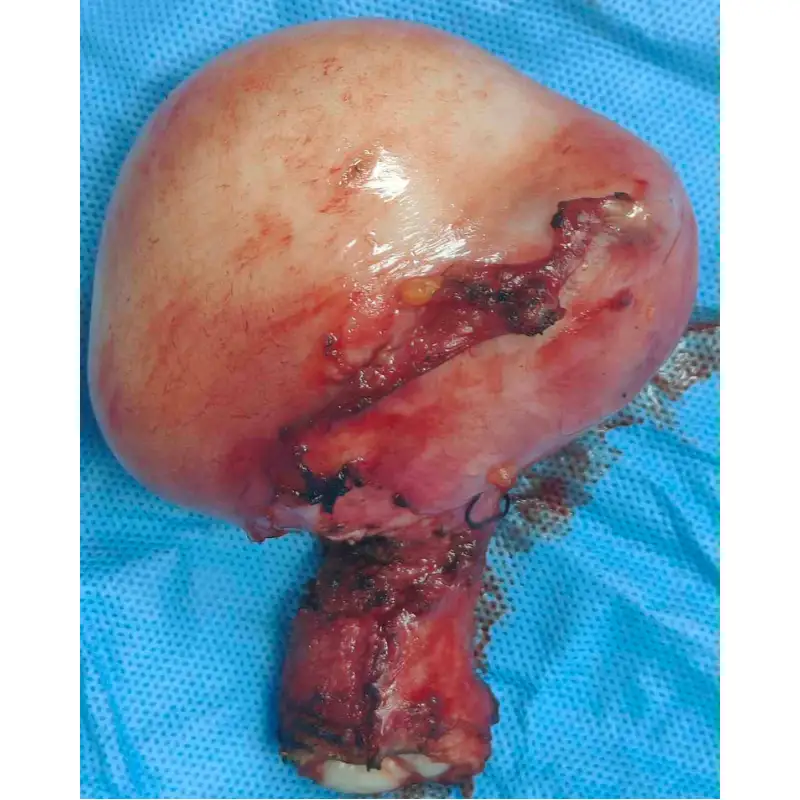
Robotic Resection and Comprehensive Staging Surgery for Granulosa Cell Ovarian Tumor

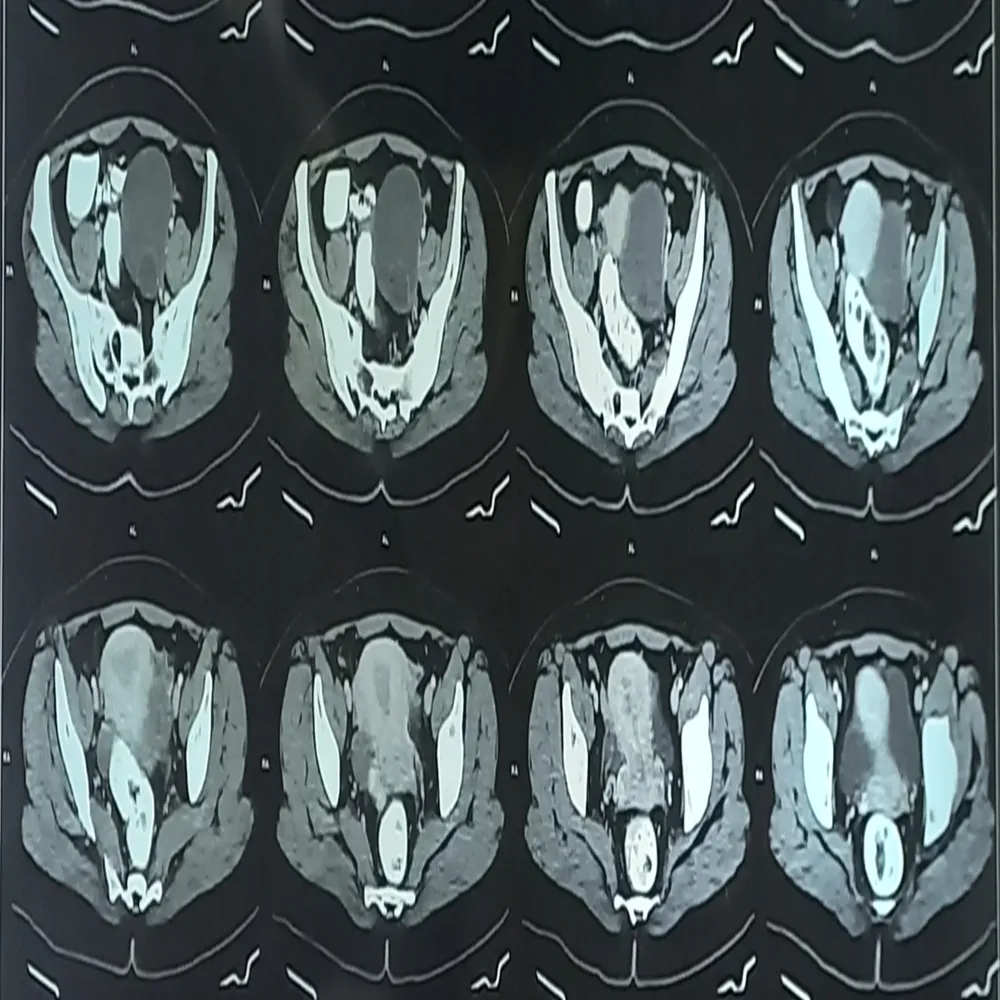
A 41-year-old female presented with abnormal bleeding and a suspicious twelve-centimeter solid-cystic right ovarian mass causing pelvic compression. Given the mass’s rapid enhancement and significant size, malignant transformation was highly suspected, necessitating swift and highly precise surgical intervention to prevent further spread.

The Solution


⦿ Robotic Mass Resection and Real-Time Staging

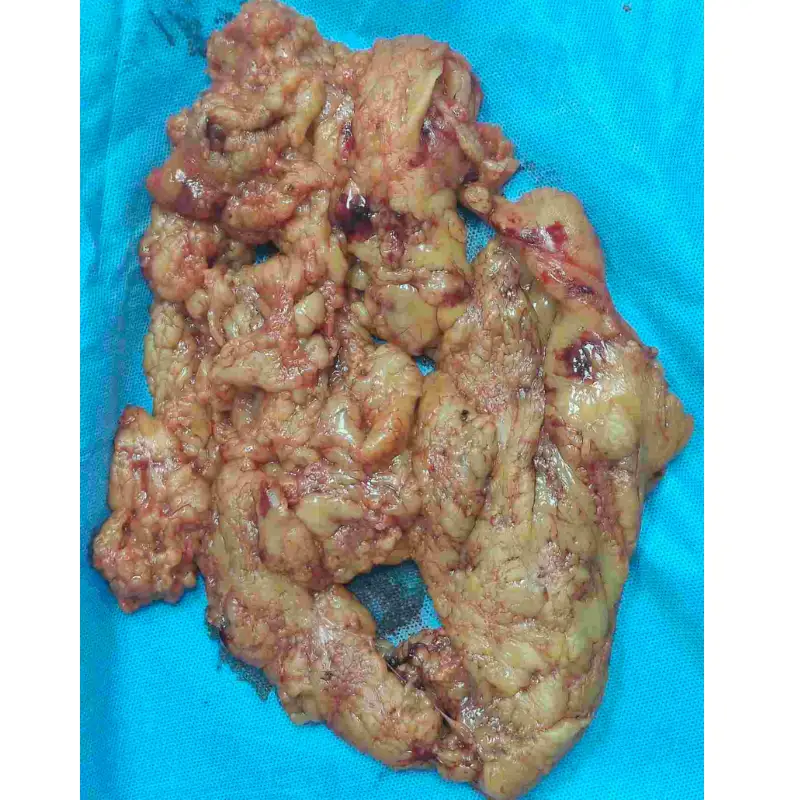
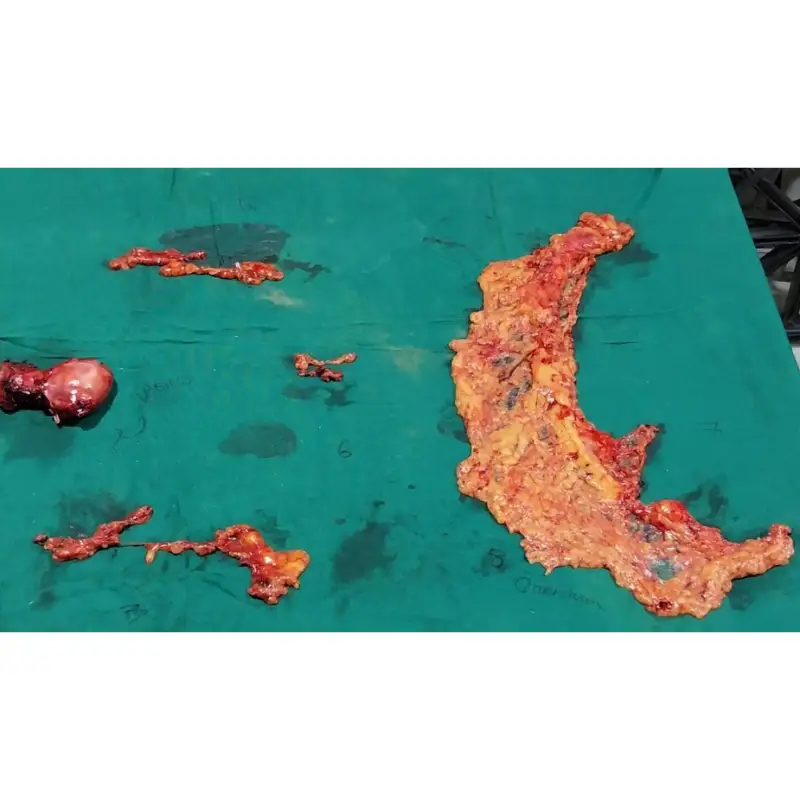
Dr. Swati Shah performed an advanced robotic right adnexal mass resection, utilizing an immediate frozen section to guide real-time surgical decisions. Following this, comprehensive staging was meticulously executed, encompassing a hysterectomy, salpingo-oophorectomy, omentectomy, and extensive sentinel pelvic and retroperitoneal lymph node dissections.

» Surgical Highlights & Precision


• Procedure: Advanced robotic resection followed by complete staging provided unparalleled anatomical visualization and precise dissection.

• Lymph Node Clearance: Twenty-nine sentinel and regional lymph nodes were meticulously mapped and excised with complete accuracy.

• Surgical Safety: The minimally invasive robotic approach ensured highly controlled hemostasis with minimal intraoperative blood loss.

• Cancer Clearance: Complete tumor extraction was achieved without spillage, securing negative margins across all resected tissues.


» The Outcome


⦿ Cancer-Free and Rapid Recovery

The patient experienced an exceptionally rapid recovery, achieving early ambulation and hemodynamic stability shortly after surgery. Final histopathology confirmed an adult-type granulosa cell tumor confined to the ovary, with all twenty-nine lymph nodes completely negative for metastatic spread. The patient was safely discharged with excellent functional status and zero evidence of residual disease.

» Dr. Swati Shah’s Insight


By utilizing advanced robotic technology and immediate frozen section analysis, we accurately tailored the staging surgery in real time. This highly precise approach ensured comprehensive cancer clearance while maintaining a swift, smooth recovery for our patient.

Robotic Excision and Radical Staging for High-Grade Serous Ovarian Carcinoma

A 36-year-old female presented with a two-week history of lower abdominal pain and an elevated CA-125 level. Advanced imaging revealed complex cystic ovarian lesions with high-risk neoplastic features, raising immediate concern for an aggressive malignancy. Prompt surgical intervention was crucial to prevent systemic spread.

The Solution


⦿ Comprehensive Robotic Staging Surgery

Dr. Swati Shah performed a highly precise robotic left ovarian mass excision alongside a complete hysterectomy with right salpingo-oophorectomy and cul-de-sac removal. Leveraging advanced robotic visualization, meticulous bilateral pelvic and retroperitoneal lymph node dissections were executed alongside an omentectomy and targeted upper peritoneal biopsies.

» Surgical Highlights & Precision


• Procedure: Dr. Shah utilized an advanced robotic platform for complete tumor resection and precise staging.

• Lymph Node Dissection: Rigorous clearance of forty-two regional pelvic and retroperitoneal lymph nodes was meticulously achieved.

• Blood Loss: The highly controlled robotic approach resulted in minimal blood loss of precisely 100 milliliters.

• Cancer Clearance: Pathology confirmed clear margins with zero evidence of regional lymph node metastasis.


» The Outcome


⦿ Excellent Recovery and Clear Margins

The patient experienced an exceptionally smooth and uneventful postoperative recovery, maintaining complete hemodynamic stability throughout her short hospital stay. Final histopathology reports confirmed a stage pT1a high-grade serous carcinoma isolated to the left ovary, with all forty-two lymph nodes returning strictly negative for metastasis. She was safely discharged after four days, ready to confidently resume normal daily activities.

» Dr. Swati Shah’s Insight


By employing a robotic approach, we achieved meticulous surgical staging and thorough lymph node clearance with minimal physical trauma. This precision ensures excellent oncological control and offers the patient an optimal trajectory for long-term survival.

Comprehensive Robotic Ovarian Staging Surgery For Granulosa Cell Tumor Management

A twenty-nine-year-old female presented with a twenty-eight-millimeter right ovarian cystic lesion following a recent laparotomy for a ruptured left ovarian granulosa cell tumor. This subsequent mass necessitated a meticulous, comprehensive surgical staging approach to evaluate for potential cancer spread and ensure absolute oncological safety.

The Solution


⦿ Advanced Robotic Ovarian Staging Surgery

Dr. Swati Shah performed a highly precise robotic ovarian staging surgery utilizing the advanced Da Vinci Xi system. The comprehensive intervention included a hysterectomy, right adnexal mass excision, and extensive bilateral pelvic and retroperitoneal lymph node dissections. This robotic approach allowed for unparalleled dexterity during the complex anatomical dissections.

» Surgical Highlights & Precision


• Procedure: A complete robotic staging surgery was executed seamlessly utilizing the Da Vinci Xi system.

• Lymph Node Dissection: Thirty-two pelvic and retroperitoneal lymph nodes were meticulously excised for comprehensive pathological evaluation.

• Surgical Safety: The patient experienced minimal blood loss and maintained perfect hemodynamic stability throughout the intervention.

• Oncological Completeness: Extensive pathological analysis confirmed that all excised tissues and lymph nodes were completely tumor-free.


» The Outcome


⦿ Complete Oncological Clearance And Rapid Recovery

The patient experienced an exceptionally smooth recovery, walking shortly after the procedure with completely stable vital signs. Final histopathology results were definitively negative for metastasis, revealing zero tumor spread across all thirty-two lymph nodes and peritoneal biopsies. She was discharged successfully in a stable, ambulatory condition with optimal functional recovery.

» Dr. Swati Shah’s Insight


By utilizing advanced robotic staging for this complex presentation, we secured a definitive oncological clearance with extraordinary precision. This minimally invasive approach not only ensured absolute cancer control but also facilitated the rapid, complication-free recovery our patient deserved.

Robotic Ovarian Staging Surgery for High-Grade Serous Carcinoma of Bilateral Ovaries

A 51-year-old female patient presented with persistent lower abdominal pain and elevated tumor markers indicating a severe malignancy. Advanced imaging revealed complex bilateral adnexal masses, demanding immediate, highly precise surgical intervention to prevent further spread and effectively manage the aggressive cancer.

The Solution


⦿ Comprehensive Robotic Ovarian Staging Surgery

Dr. Swati Shah performed a comprehensive robotic ovarian staging surgery, encompassing bilateral adnexal mass excision, hysterectomy, complete pelvic and retroperitoneal lymph node dissection, and a greater omentectomy. This advanced robotic approach ensured unparalleled meticulous precision during the removal of the malignant tissues and complex peritoneal biopsies.

» Surgical Highlights & Precision


• Comprehensive Procedure: The complex robotic surgery successfully excised bilateral ovarian masses, the uterus, and omentum.

• Extensive Lymph Node Clearance: A meticulous dissection successfully yielded twenty-three lymph nodes across pelvic and paraaortic regions.

• Surgical Safety: The minimally invasive approach ensured remarkably minimal blood loss and highly stable postoperative vitals.

• Cancer Completeness: All assessed regional lymph nodes and surrounding excised abdominal tissues remained completely tumor-free.


» The Outcome


⦿ Complete Resection and Rapid Patient Recovery

The patient experienced an exceptional, uneventful recovery and was fully ambulatory shortly after the extensive operation. Final histopathology confirmed high-grade serous carcinoma but importantly revealed intact ovarian capsules and zero tumor spread to the twenty-three harvested lymph nodes. She was successfully discharged in a hemodynamically stable condition.

» Dr. Swati Shah’s Insight


By utilizing a highly precise robotic approach for this aggressive high-grade ovarian carcinoma, we achieved a remarkably complete resection with minimal surgical trauma. This comprehensive staging not only ensured excellent immediate recovery but also provided the patient with the strongest foundation for long-term survival.

Comprehensive Robotic Cytoreductive Surgery For Borderline Ovarian Tumor

A thirty-one-year-old female presented with a complex left adnexal mass following a previous right ovarian cystectomy for a borderline serous papillary tumor. This recurrent presentation necessitated a highly precise surgical intervention to prevent further progression and ensure complete oncological clearance.

The Solution


⦿ Robotic Cytoreductive Staging Surgery

Dr. Swati Shah performed a robotic diagnostic laparoscopy, adhesiolysis, left adnexal mass resection, and hysterectomy with bilateral pelvic and retroperitoneal lymph node dissections. This advanced robotic approach allowed for meticulous exploration, a supracolic omentectomy, and multiple precise peritoneal biopsies to ensure absolute disease control.

» Surgical Highlights & Precision


• Procedure: A robotic total hysterectomy and precise left adnexal mass resection were successfully executed.

• Lymph Node: Thirty-two pelvic and retroperitoneal lymph nodes were meticulously dissected for comprehensive staging.

• Blood Loss: The highly advanced robotic technique resulted in an exceptionally minimal blood loss of twenty milliliters.

• Cancer Clearance: Pathological evaluation confirmed complete tumor clearance with all nodes and biopsies negative for malignancy.


» The Outcome


⦿ Complete Oncological Clearance

The patient experienced an uneventful postoperative recovery and was fully ambulatory with stable hemodynamics shortly after surgery. Final histopathology confirmed that the omentum, peritoneum, and all resected lymph nodes were entirely free of metastatic tumors. She was discharged successfully, achieving excellent functional recovery and optimal long-term oncological safety.

» Dr. Swati Shah’s Insight


Utilizing a robotic platform allowed us to perform this complex cytoreduction with unmatched precision and minimal blood loss. By meticulously clearing the pelvic and retroperitoneal nodes, we provided the patient with the absolute best chance for a definitive, long-term cure.

Advanced Laparoscopic Hysterectomy And Adnexal Mass Resection For Complex Uterine Pathology

A 43-year-old female patient presented with severe lower abdominal pain and excessive vaginal bleeding persisting for a month. Comprehensive clinical evaluation revealed a complex 5×5 cm right adnexal mass, alongside an enlarged uterus harboring a symptomatic subserosal fibroid.

The Solution


⦿ Advanced Minimally Invasive Resection And Hysterectomy

Dr. Swati Shah performed an advanced diagnostic laparoscopy, meticulous adhesiolysis, complete right adnexal mass resection, and a total hysterectomy. Utilizing advanced minimally invasive precision, the adnexal cyst and fibroid-burdened uterus were seamlessly isolated and successfully delivered through a small Pfannenstiel incision.

» Surgical Highlights & Precision


• Procedure: Dr. Swati Shah flawlessly executed a diagnostic laparoscopy, adhesiolysis, mass resection, and hysterectomy.

• Complex Anatomy: The surgical team expertly navigated and completely resected a substantial right adnexal cyst.

• Safety & Blood Loss: Patient safety was maximized, resulting in an exceptionally minimal intraoperative blood loss of 100cc.

• Pathological Clearance: Final histopathology confirmed the complete removal of a benign cystadenoma and uterine leiomyoma.


» The Outcome


⦿ Rapid Recovery And Excellent Prognosis

The patient experienced an exceptionally rapid postoperative recovery, quickly becoming fully ambulatory and hemodynamically stable. Final histopathology results confirmed a benign serous cystadenoma of the right adnexa and a uterine leiomyoma, entirely free of any malignant etiology. She was safely discharged with controlled pain, clean surgical wounds, and an outstanding prognosis for long-term health.

» Dr. Swati Shah’s Insight


By employing an advanced minimally invasive approach, I safely resected this complex adnexal mass and uterine fibroid. Our precise laparoscopic intervention ensured immediate symptom relief, exceptionally minimal blood loss, and a rapid, comfortable return to normal life.


Advanced Laparoscopic Right Adnexal Mass Resection And Salpingectomy For Complex Pathology

An adult female patient presented to the clinic with localized pelvic discomfort and imaging revealing a concerning right adnexal mass. The growth exhibited complex features requiring prompt, highly precise surgical intervention to rule out aggressive pathology and prevent further abdominal complications.

The Solution


⦿ Laparoscopic Mass Resection

Dr. Swati Shah performed a highly precise laparoscopic right adnexal mass resection combined with a salpingectomy. Utilizing advanced minimally invasive instruments, the surgical team meticulously navigated the pelvic anatomy to safely isolate and completely excise the targeted ovarian growth.

» Surgical Highlights & Precision


• Procedure: A laparoscopic right adnexal mass resection and salpingectomy was successfully executed.

• Complex Anatomy: The delicate pelvic structures and surrounding tissues were meticulously preserved during dissection.

• Safety: Advanced minimally invasive techniques ensured optimal patient safety and exceptionally low blood loss.

• Completeness: The entire adnexal tumor was completely removed without any capsule rupture or spillage.


» The Outcome


⦿ Excellent Post-Operative Recovery

The patient demonstrated an excellent immediate post-operative recovery, remaining hemodynamically stable and mobilizing shortly after the intervention. Final pathological evaluations confirmed the complete and safe removal of the targeted right adnexal tissue. She was successfully discharged with stable vitals, experiencing a rapid return to normal daily functional activities.

» Dr. Swati Shah’s Insight


I am extremely pleased with how seamlessly we managed this complex adnexal presentation using advanced laparoscopic techniques. By prioritizing minimally invasive precision, we successfully removed the mass while ensuring the patient experienced a rapid, safe, and comfortable recovery.

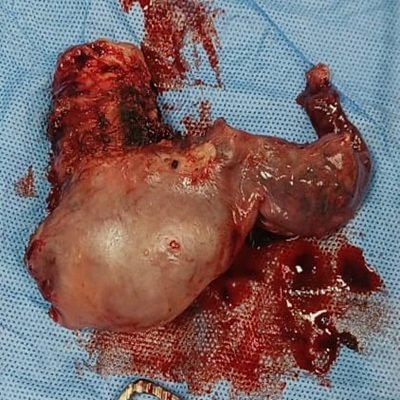
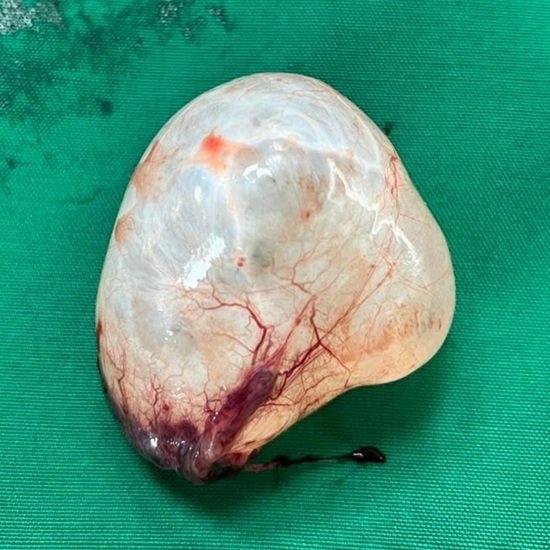
Advanced Laparoscopic Ovarian Cystectomy For A Complex Twisted Adnexal Mass And Severe Pelvic Pain

A 42-year-old female presented with severe abdominal pain and heavy vaginal bleeding. Diagnostics revealed a massive left adnexal cyst that had twisted multiple times upon its own axis, creating an urgent, highly complex surgical scenario. Immediate surgical intervention was absolutely necessary to prevent severe complications.

The Solution


⦿ Laparoscopic Ovarian Cystectomy

Dr. Swati Shah performed an advanced minimally invasive laparoscopic ovarian cystectomy to address the critical torsion and carefully excise the mass. The meticulous procedure included extensive adhesiolysis, safe extraction of the twisted cyst without rupture, and simultaneous pelvic floor reconstruction. This approach ensured maximum anatomical preservation and swift recovery.

» Surgical Highlights & Precision


• Procedure: Dr. Shah utilized specialized laparoscopic ovarian cystectomy techniques to safely detach the mass.

• Complex Anatomy: The surgical team meticulously navigated severe internal adhesions and a tightly twisted cyst pedicle.

• Safety/Blood Loss: Using targeted coagulation strategies, minimal blood loss was maintained throughout the entire complicated operation.

• Completeness: The large cyst was extracted entirely intact without any rupture or harmful fluid spillage.


» The Outcome


⦿ Rapid Recovery And Benign Pathology

The patient experienced an exceptionally smooth and uneventful postoperative recovery with stable hemodynamics throughout her stay. Final histopathology results conclusively confirmed a completely benign simple serous cystadenoma with zero evidence of malignancy. She was safely discharged shortly after surgery, having regained outstanding functional comfort and total relief from her debilitating symptoms.

» Dr. Swati Shah’s Insight


By utilizing advanced laparoscopic techniques for this complex cystectomy, we successfully untwisted the mass and removed it entirely intact. This minimally invasive approach eliminated her severe pain while ensuring rapid functional recovery and complete peace of mind.

Advanced Laparoscopic Excision Of A Right Paraovarian Cystic Lesion

A forty-five-year-old female patient presented with abdominal pain, burning micturition, and increased menstrual frequency lasting fifteen days. Imaging revealed a complex right paraovarian cystic lesion measuring over four centimeters with internal septations. The mass abutted the uterus and distended urinary bladder, necessitating precise surgical intervention.

The Solution


⦿ Advanced Laparoscopic Ovarian Cystectomy

Dr. Swati Shah performed an advanced laparoscopic ovarian cystectomy to meticulously excise the right adnexal mass. Utilizing a highly precise four-port minimally invasive approach, the cystic lesion was safely isolated from the broad ligament. This advanced technique ensured complete removal while preserving adjacent normal pelvic structures.

» Surgical Highlights & Precision


• Procedure: An advanced laparoscopic excision of the right paraovarian cyst was successfully completed.

• Complex Anatomy: The intricate mass abutting the uterus and bladder was carefully navigated and excised.

• Safety and Blood Loss: Optimal patient safety was maintained throughout the procedure with strictly minimal intraoperative blood loss.

• Completeness: The specimen was completely retrieved via a surgical retrieval bag for frozen section analysis.


» The Outcome


⦿ Excellent Immediate Recovery

The patient experienced an excellent immediate recovery, remaining hemodynamically stable and becoming fully ambulatory shortly after surgery. Intraoperative frozen section analysis successfully confirmed that the completely excised mass was a benign cystic lesion. She quickly regained her functional baseline and was safely discharged with clear instructions to confidently resume normal daily activities.

» Dr. Swati Shah’s Insight


By utilizing an advanced minimally invasive laparoscopic approach, we successfully excised the complex cystic mass with absolute precision. This allowed us to ensure minimal blood loss, preserve vital surrounding anatomy, and provide a rapid, safe recovery path for our patient.

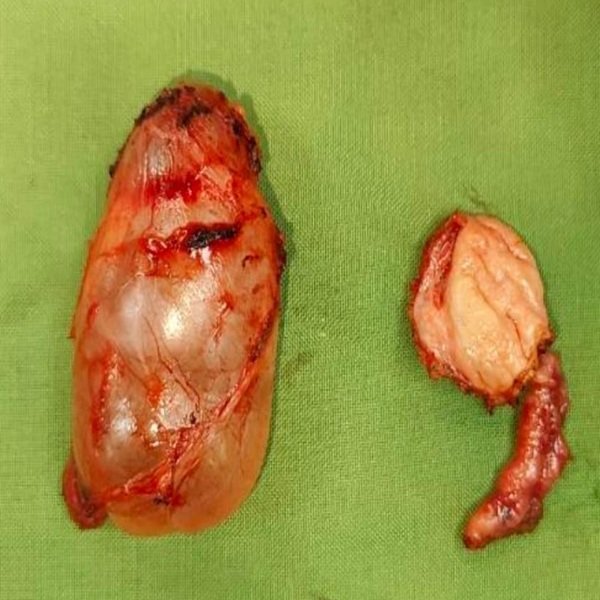
Robotic Resection Of A Complex Ovarian Teratoma With Frozen Section Assessment

A fifty-one-year-old female presented with an incidentally detected left adnexal lesion measuring ten by eight centimeters. Surgical complexity was significantly elevated due to dense pelvic adhesions, with the left mass tethered to the sigmoid colon. Additionally, the contralateral ovary was firmly adherent to the uterus and rectum.

The Solution


⦿ Robotic Ovary Mass Resection And Hysterectomy

Dr. Swati Shah performed an advanced robotic ovary mass resection with immediate intraoperative frozen section analysis. Utilizing superior robotic precision to navigate dense bowel adhesions, she concurrently executed a radical hysterectomy alongside bilateral pelvic and retroperitoneal lymph node dissections. This meticulous approach ensured absolute anatomical clearance.

» Surgical Highlights & Precision


• Robotic Resection: The team successfully executed a complex robotic adnexal mass excision and radical hysterectomy.

• Extensive Lymphadenectomy: Fourteen reactive lymph nodes were successfully retrieved from the pelvic and pre-paraaortic anatomical regions.

• Minimal Blood Loss: The advanced robotic platform maximized patient safety, yielding just ten milliliters of blood loss.

• Comprehensive Clearance: Pathology confirmed a benign mature cystic teratoma with zero evidence of any malignant tissue.


» The Outcome


⦿ Seamless Recovery And Benign Pathology

Following the complex resection, the patient recovered swiftly and was discharged in a highly stable hemodynamic condition. Final histopathology confirmed a benign mature cystic teratoma. Furthermore, there was absolutely zero evidence of malignancy across all harvested lymph nodes and uterine tissues. The patient regained optimal functional independence and successfully resumed routine daily activities.

» Dr. Swati Shah’s Insight


By utilizing advanced robotic technology, I meticulously navigated severe pelvic adhesions to perform a precise resection with merely ten milliliters of blood loss. This highly targeted approach ensured remarkable safety and confirmed a definitive, benign pathological cure.

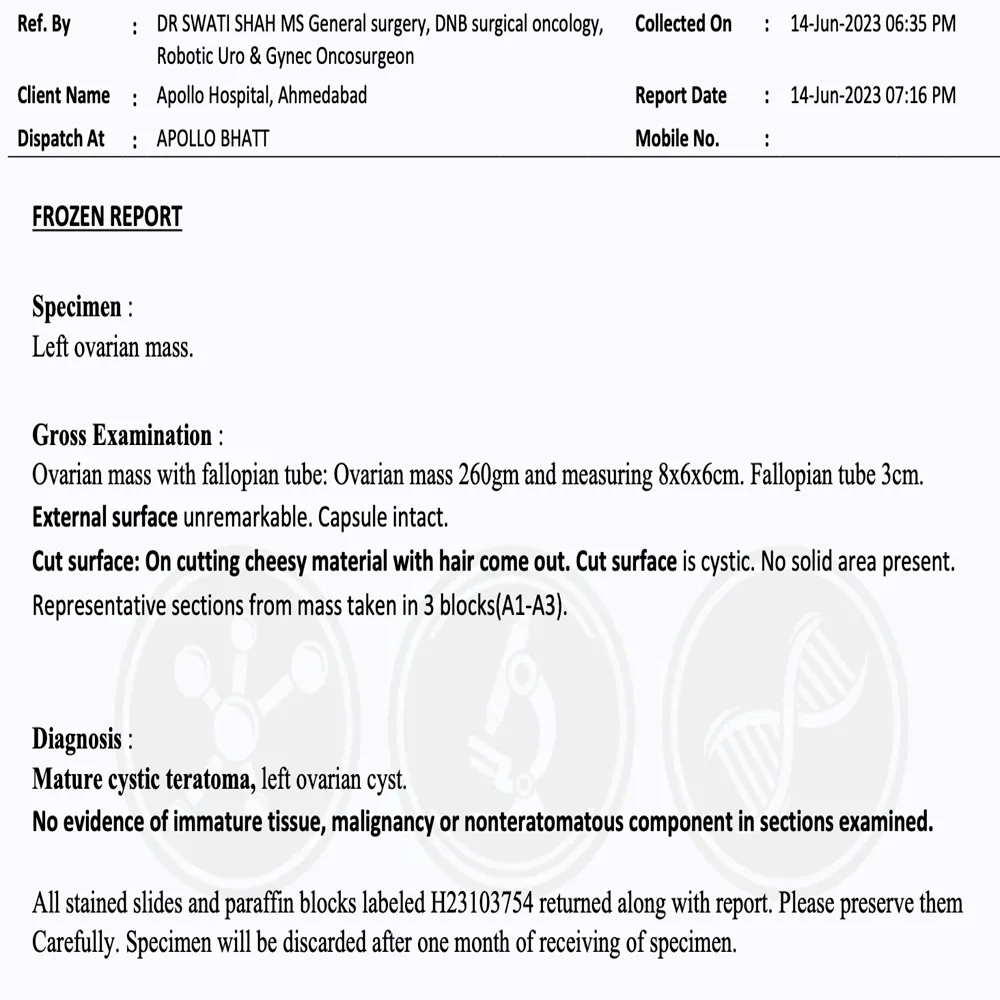
Minimally Invasive Laparoscopic Left Adnexal Mass Resection For Mature Cystic Ovarian Teratoma

A 16-year-old female presented with mild abdominal pain, burning micturition, and a concurrent right forehead swelling. Imaging revealed a large left adnexal mass, raising concerns for a mature cystic teratoma, which required urgent, highly precise surgical intervention to preserve healthy ovarian tissue.

The Solution


⦿ Laparoscopic Left Adnexal Mass Resection

Dr. Swati Shah performed an advanced laparoscopic left adnexal mass resection, meticulously executing adhesiolysis and a targeted peritoneal biopsy. Utilizing minimally invasive techniques, she navigated the complex pelvic anatomy with unparalleled precision while a specialized team concurrently managed the right forehead tumor excision.

» Surgical Highlights & Precision


• Procedure: Advanced laparoscopic adhesiolysis and targeted left adnexal mass resection were successfully executed.

• Complex Anatomy: The intricate eight-centimeter ovarian teratoma was seamlessly extracted while preserving critical surrounding structures.

• Safety Profile: The highly controlled minimally invasive surgical approach resulted in remarkably minimal intraoperative blood loss.

• Tumor Clearance: Histopathology verified complete excision of the mature cystic teratoma with zero malignant components.


» The Outcome


⦿ Rapid Recovery And Benign Pathology

The patient experienced an exceptionally smooth postoperative recovery, rapidly regaining ambulatory function with completely stable hemodynamics. Final histopathology results conclusively verified a mature cystic ovarian teratoma and a benign forehead dermoid cyst, with absolutely no evidence of dysplasia or malignancy. She was successfully discharged in excellent functional condition, ensuring an optimal long-term health trajectory.

» Dr. Swati Shah’s Insight


By utilizing advanced minimally invasive techniques, I meticulously excised the complex adnexal mass while preserving surrounding pelvic anatomy. This precise strategy successfully eradicated the mature teratoma, ensuring an excellent rapid recovery and optimal long-term health for the patient.

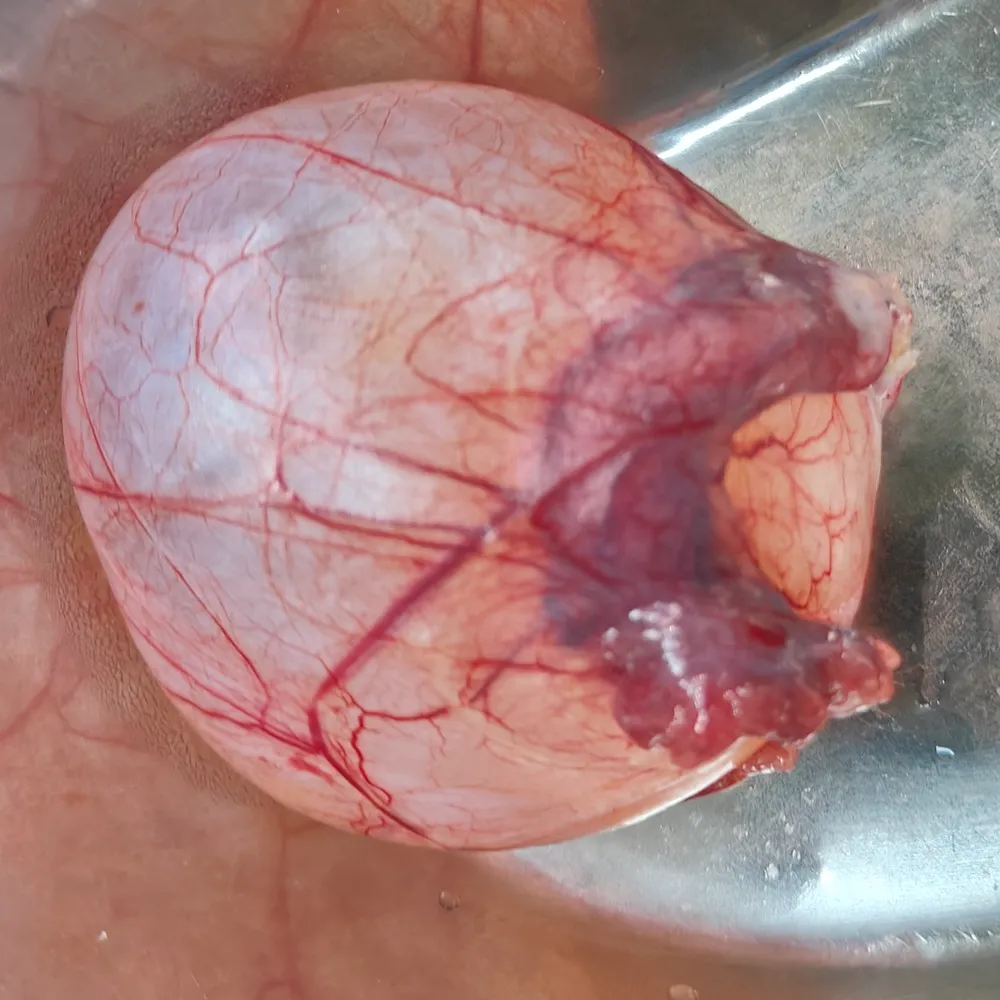
Laparoscopic Left Fimbrial Cyst Excision For A Large Paratubal Lesion

A seventeen-year-old female presented with severe abdominal pain lasting for two days. Diagnostics revealed a ninety-four millimeter lobulated cystic lesion with septations positioned adjacent to her left ovary. This rapid symptom onset combined with the large cyst size required urgent surgical intervention to rule out malignancy.

The Solution


⦿ Laparoscopic Left Fimbrial Cyst Excision

Dr. Swati Shah performed a precise laparoscopic left fimbrial cyst excision to safely remove the large mass. Intraoperative frozen section analysis was expertly utilized to immediately confirm the benign nature of the cyst. This advanced, minimally invasive approach ensured the complete preservation of the patient's reproductive anatomy.

» Surgical Highlights & Precision


• Procedure: A meticulous laparoscopic excision of a large left fimbrial cyst was successfully completed.

• Complex Anatomy: The ten-centimeter mass was carefully separated from the delicate fallopian tube structure.

• Intraoperative Safety: Immediate frozen section biopsies confirmed a simple cyst, preventing unnecessary radical surgery.

• Completeness: The entire two-hundred-twenty-one-gram cyst was completely removed without any evidence of malignant invasion.


» The Outcome


⦿ Complete Recovery and Fertility Preservation

The patient experienced an excellent and rapid postoperative recovery following the minimally invasive procedure. Final histopathology reports definitively confirmed a simple paratubal fimbrial cyst completely lacking any cytological atypia or malignancy. She was discharged in stable condition, successfully retaining full functional capacity and fertility potential of her reproductive organs.

» Dr. Swati Shah’s Insight


By utilizing rapid frozen section analysis alongside a minimally invasive laparoscopic excision, we entirely avoided an unnecessary radical resection. I am immensely proud that we successfully excised this massive cyst while fully safeguarding this young patient's future fertility.

Diagnostic Laparoscopy and Left Adnexal Mass Excision for a Complex Endometriotic Cyst

A 32-year-old female presented with a highly complex, septated left adnexal lesion featuring a distinct haemorrhagic component. Preoperative imaging revealed a large cyst alongside a subendometrial cystic area in the lower uterus. This intricate presentation required meticulous surgical evaluation to definitively exclude underlying malignancy.

The Solution


⦿ Advanced Diagnostic Laparoscopy

Dr. Swati Shah performed a precise diagnostic laparoscopy combined with a left adnexal mass excision. An intraoperative frozen section of the 6x4x2 cm cyst was immediately utilized for rapid pathological assessment. This minimally invasive approach maximized diagnostic accuracy while safely and effectively addressing the complex pelvic pathology.

» Surgical Highlights & Precision


• Procedure: Dr. Shah flawlessly executed a diagnostic laparoscopy with a precise left adnexal mass excision.

• Complex Anatomy: The excised 6x4x2 cm left adnexal cyst contained a thick, complex fibro-collagenous wall.

• Intraoperative Safety: Rapid frozen section analysis safely guided the surgery by immediately confirming a benign endometriosis diagnosis.

• Malignancy Exclusion: Final pathology conclusively confirmed an endometriotic cyst with absolutely no evidence of malignancy.


» The Outcome


⦿ Benign Confirmation and Recovery

The patient recovered exceptionally well following the minimally invasive excision and remained hemodynamically stable postoperatively. Final histopathology officially confirmed a benign endometriotic cyst, demonstrating absolutely no evidence of borderline tumors or malignancy. The adjacent fallopian tube showed no significant pathology, ensuring optimal functional preservation and a highly successful discharge.

» Dr. Swati Shah’s Insight


By utilizing rapid intraoperative frozen sections alongside advanced laparoscopy, we definitively identified the endometriosis and swiftly ruled out cancer. This precise surgical strategy successfully treated the complex cyst while meticulously preserving her long-term reproductive anatomy.

Robotic Adnexal Mass Resection and Total Hysterectomy for a Large Ovarian Lesion

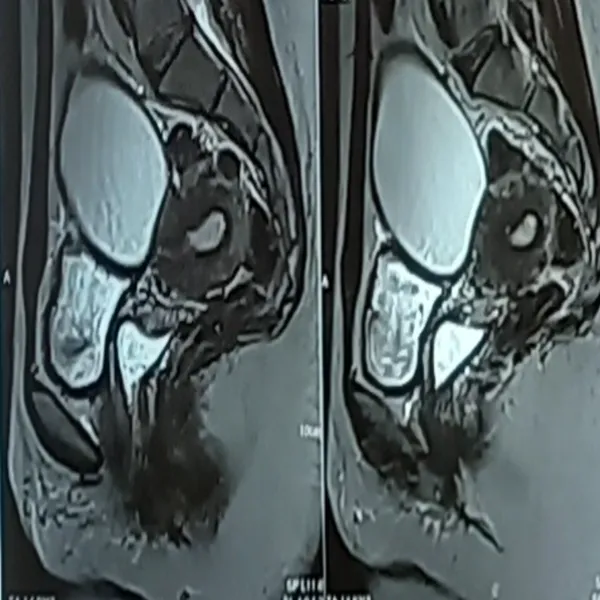
A 53-year-old perimenopausal woman presented with a large, incidentally discovered left adnexal mass measuring over eleven centimeters. Despite being asymptomatic, the rapidly enlarging cystic lesion required surgical intervention and immediate intraoperative evaluation to definitively rule out ovarian malignancy.

The Solution


⦿ Robotic Left Adnexal Mass Resection

Dr. Swati Shah performed an advanced robotic left adnexal mass resection with an immediate intraoperative frozen section. Following confirmation of benign tissue, the procedure was meticulously completed with a total hysterectomy and bilateral salpingo-oophorectomy using precise robotic visualization.

» Surgical Highlights & Precision


• Procedure: Dr. Shah utilized an advanced robotic system for a minimally invasive adnexal resection.

• Complex Anatomy: The surgical team successfully navigated and completely removed a massive twelve-centimeter ovarian cyst.

• Blood Loss: The precise robotic approach ensured excellent patient safety with only fifty milliliters of blood loss.

• Pathological Clearance: Intraoperative analysis confirmed a complete excision and definitively ruled out any malignant disease.


» The Outcome


⦿ Rapid Recovery and Benign Pathology Confirmation

The patient experienced a remarkably smooth and completely uneventful postoperative recovery, maintaining excellent hemodynamic stability throughout her hospital stay. Final comprehensive histopathology results confirmed a benign simple serous cystadenofibroma, showing absolutely no evidence of any borderline tumors or malignancy. Consequently, she was safely and comfortably discharged home just three days following her successful minimally invasive surgery.

» Dr. Swati Shah’s Insight


By utilizing advanced robotic techniques, I safely extracted the twelve-centimeter adnexal mass and immediately performed an intraoperative frozen section analysis. This highly precise minimally invasive approach definitively ruled out cancer and guaranteed the patient a rapid, remarkably smooth recovery.

Advanced Laparoscopic Adnexal Mass Resection for Complex Ovarian Hemorrhagic Cyst

A twenty-seven-year-old female presented with chronic lower abdominal pain and an enlarging left ovarian mass measuring roughly four centimeters. Having previously undergone a right oophorectomy and carrying a significant maternal history of ovarian carcinoma, the unilocular hemorrhagic cyst required urgent, highly precise diagnostic evaluation.

The Solution


⦿ Laparoscopic Adnexal Mass Resection and Frozen Section

Dr. Swati Shah performed an advanced laparoscopic adnexal mass resection, specifically a left salpingo-oophorectomy, with an immediate intraoperative frozen section analysis. The minimally invasive procedure required meticulous adhesiolysis to safely isolate the complex thirty-nine-millimeter cyst while completely prioritizing diagnostic accuracy and swift surgical intervention.

» Surgical Highlights & Precision


• Procedure: Dr. Shah utilized a minimally invasive laparoscopic approach featuring meticulous pelvic adhesiolysis techniques.

• Complex Anatomy: The solitary left ovary presented a thirty-nine-millimeter mass requiring immediate intraoperative frozen section.

• Optimal Safety: The operation maintained exceptional hemodynamic stability with an extremely low fifty-milliliter blood loss.

• Diagnostic Completeness: The complete pathological evaluation successfully confirmed a simple hemorrhagic cyst compatible with endometriosis.


» The Outcome


⦿ Uneventful Recovery and Benign Pathology

The patient experienced an entirely uneventful postoperative recovery and became fully ambulatory very shortly after surgery. Final histopathology reports conclusively ruled out malignancy, diagnosing a simple hemorrhagic cyst heavily compatible with endometriosis. She maintained excellent stable hemodynamics throughout the process and was successfully discharged within two days.

» Dr. Swati Shah’s Insight


Navigating a complex mass in a solitary ovary with a familial cancer history demands extreme precision. Our minimally invasive approach and immediate frozen section ensured absolute diagnostic clarity while minimizing recovery time.

Robotic Ovary Mass Resection For Complex Adnexal Cystadenoma

A 36-year-old female presented with severe abdominal pain and a large, complex left adnexal mass measuring eight centimeters. Her significantly elevated tumor markers raised immediate clinical concerns for a potential malignancy. This necessitated an urgent and highly precise surgical intervention to ensure safety and diagnostic clarity.

The Solution


⦿ Precision Robotic Resection & Real-Time Biopsy

Dr. Swati Shah performed an advanced robotic ovary mass resection utilizing intraoperative frozen section analysis to immediately determine the tumor's nature. This minimally invasive robotic approach allowed for meticulous dissection of the extensive adnexal mass while navigating surrounding pelvic structures with unparalleled surgical precision.

» Surgical Highlights & Precision


• Procedure: An advanced robotic ovary mass resection with real-time frozen section analysis was successfully executed.

• Complex Anatomy: The exceptionally large eight-centimeter pelvic mass was meticulously mobilized from surrounding delicate structures.

• Safety Profile: The advanced robotic platform ensured minimal intraoperative blood loss and maximized overall patient safety.

• Complete Excision: The complex cystic lesion was completely removed with absolutely zero evidence of invasive malignancy.


» The Outcome


⦿ Cancer-Free With Rapid Recovery

The patient experienced an exceptionally smooth and uneventful postoperative recovery, remaining fully hemodynamically stable. Final histopathology reports conclusively confirmed a benign simple endometrioid cystadenoma, officially ruling out any cancer. She was discharged comfortably on a normal diet, successfully resuming ambulatory function with excellent long-term health prospects.

» Dr. Swati Shah’s Insight


By utilizing advanced robotic technology alongside rapid frozen section biopsy, I was able to safely remove this massive cyst while immediately confirming it was benign. This precise approach spared her from unnecessary radical surgery and ensured a rapid, painless return to her normal life.
What These Clinical Cases Demonstrate

Frequently Asked Questions

Can every ovarian cyst be removed laparoscopically?

No. Many simple and complex ovarian cysts can be removed laparoscopically, but the choice depends on tumour size, imaging findings, previous surgery and the possibility of malignancy.

Can ovarian cancer be treated with robotic surgery?

Yes, selected women with early-stage ovarian cancer may be suitable for robotic surgery. However, not all ovarian cancers are appropriate for a minimally invasive approach, and careful patient selection is essential.

What is the difference between laparoscopic and robotic surgery?

Both are minimally invasive techniques. Robotic surgery provides three-dimensional magnified vision, wristed instruments and greater precision, which may be advantageous during complex pelvic procedures.

Is robotic surgery better than laparoscopic surgery?

Neither approach is universally better. The choice depends on the complexity of the disease, the planned procedure and the surgeon’s experience. Both techniques can provide excellent outcomes in appropriately selected patients.

Can large ovarian tumours be removed robotically?

Some large benign ovarian tumours may be suitable for robotic surgery. However, if there is significant suspicion of ovarian cancer or if safe tumour removal without rupture is unlikely, open surgery may be the preferred option.

Does robotic surgery increase the risk of cancer spread?

No. When performed in carefully selected patients using sound oncological principles, robotic surgery does not increase cancer spread. The priority remains complete tumour removal with oncological safety.

Is laparoscopic or robotic surgery less painful than open surgery?

Most patients experience less postoperative pain, require smaller incisions and recover faster after minimally invasive surgery compared with conventional open surgery.

Will I recover faster after robotic surgery?

Recovery is often quicker, with earlier walking, shorter hospital stay and faster return to routine activities. Recovery also depends on the complexity of the operation and the patient’s overall health.

Can fertility be preserved during robotic ovarian surgery?

Yes. In selected women with benign ovarian tumours and some early ovarian cancers, fertility-preserving surgery may be safely performed while maintaining oncological principles.

Is robotic surgery suitable for elderly patients?

Age alone does not determine suitability. Overall fitness, associated medical conditions, tumour characteristics and the planned procedure are more important factors.

Will the entire ovary always be removed?

Not always. Whenever appropriate, ovarian cystectomy may preserve normal ovarian tissue. In other situations, removal of the ovary or both ovaries may be necessary depending on the diagnosis.

When is open surgery a better option?

Open surgery may be preferred for very large ovarian tumours, advanced ovarian cancer, extensive disease, major adhesions or situations where complete tumour removal cannot be safely achieved laparoscopically or robotically.

Can frozen section be performed during robotic surgery?

Yes. If the diagnosis is uncertain, the tumour can be sent for frozen section during laparoscopic or robotic surgery, allowing the surgical plan to be modified immediately if required.

Will lymph nodes be removed during robotic surgery?

Lymph node assessment is performed only when clinically indicated. It depends on the suspected diagnosis, frozen section findings and the final surgical plan.

Can robotic surgery be performed after previous abdominal surgery?

Previous surgery does not automatically rule out robotic surgery. The decision depends on the extent of adhesions, imaging findings and the anticipated complexity of the operation.

Will I need chemotherapy after robotic surgery?

The need for chemotherapy depends on the final histopathology and stage of disease, not on whether the operation was robotic, laparoscopic or open.

Is robotic surgery more expensive?

Robotic surgery may have higher procedural costs. However, overall treatment decisions should be based on clinical benefit, safety and expected outcomes rather than cost alone.

What if cancer is found during robotic surgery?

If frozen section or intraoperative findings confirm ovarian cancer, the operation may be modified to perform appropriate staging surgery or the surgical plan may be individualized according to the clinical situation and preoperative discussion.

Should I seek a second opinion before surgery?

A second opinion is valuable if you have a complex ovarian tumour, have been advised open surgery, wish to preserve fertility or would like to explore minimally invasive surgical options.

Why should robotic ovarian surgery be performed by a gynecologic oncologist?

Successful minimally invasive ovarian surgery requires expertise in patient selection, advanced pelvic dissection, ovarian cancer staging, fertility-preserving surgery, frozen section-guided decision making and conversion to open surgery when oncologically necessary.

Related Services

Related Conditions

Patient Journey

Gynecological Cancer Care Timeline

Symptoms or Incidental Detection

Clinical Examination

Ultrasound / CT Scan / MRI

Tumour Marker Assessment

Evaluation by a Gynecologic Oncosurgeon

Selection of Laparoscopic, Robotic or Open Surgery

Frozen Section (When Required)

Final Histopathology

Further Treatment or Follow-up

When Should You Consider Laparoscopic or Robotic Surgery?

Key Take-home Messages

Patient Selection Matters

The success of laparoscopic or robotic ovarian surgery depends more on selecting the right patient than on the technology itself. Careful evaluation ensures that minimally invasive surgery is performed without compromising oncological safety.

Advantages of Robotic Surgery

Robotic surgery offers high-definition three-dimensional vision, wristed instruments, improved precision and enhanced control during complex pelvic surgery, helping facilitate meticulous dissection in appropriately selected patients.

Conditions Suitable for Minimally Invasive Surgery

  • Benign ovarian cysts
  • Complex ovarian cysts
  • Selected borderline ovarian tumours
  • Selected early ovarian cancers
  • Fertility-preserving procedures

Our Surgical Principles

  • Individualized treatment
  • Evidence-based patient selection
  • Organ preservation whenever appropriate
  • Complete tumour removal
  • Oncological safety first

Make An Appointment!