

Locally Advanced Ovarian Cancer

Involving Surrounding Organs — Still Removable with Expert Surgery

What is Locally Advanced Ovarian Cancer?

Locally advanced ovarian cancer means:

Cancer has spread within the abdomen and is involving or adherent to nearby organs, such as:
  • Ureter
  • Urinary bladder
  • Rectum
  • Sigmoid colon
  • Small bowel
  • Liver
  • Spleen

Dr Swati Shah, MS, DNB — Robotic UroGynec Oncosurgeon, performs cytoreductive surgery for locally advanced ovarian cancer at Apollo Hospital, Bhat, Gandhinagar.

What is locally advanced ovarian cancer?

Locally advanced ovarian cancer has spread beyond the ovaries within the abdomen and pelvis, but has not spread to distant organs outside the abdomen.

Is surgery possible for locally advanced ovarian cancer?

Yes. Cytoreductive surgery aims to remove all visible disease, either up front or after three to four cycles of chemotherapy when the disease is bulky.

Who performs advanced ovarian cancer surgery in Ahmedabad?

Dr Swati Shah, MS, DNB — Robotic UroGynec Oncosurgeon, performs cytoreductive surgery for locally advanced ovarian cancer at Apollo Hospital, Bhat, Gandhinagar.

What is interval cytoreductive surgery?

When disease is too extensive to remove safely at the outset, chemotherapy is given first and surgery follows after three to four cycles, once the disease has shrunk.

What does surgery for advanced ovarian cancer cost in India?

Ovarian cytoreduction is in the range of ₹3,50,000 to ₹5,00,000. With HIPEC added it is ₹5,50,000 to ₹7,00,000.

How are the ovarian cancer stages related?

Stage 1 and 2 are early or localised, stage 3 is spread within the abdomen, and stage 4 is spread outside the abdomen. Stage 3 sits inside the locally advanced group.

This page covers locally advanced ovarian cancer as a whole. For the stage-specific detail see Stage 3 ovarian cancer, Stage 4 and metastatic ovarian cancer and early / localised ovarian cancer.

What is Locally Advanced Ovarian Cancer?

Cancer has spread from the ovaries to nearby organs.

  • Ureter
  • Urinary bladder
  • Rectum
  • Sigmoid colon
  • Small bowel
  • Liver & Spleen

Not confined to the ovaries and may require complex surgery.

Understanding The Nature Of Spread

Ovarian Cancer is Primarily a Surface Disease

Ovarian cancer is primarily a surface disease

Spread Pattern

  • Spreads along peritoneal surfaces
  • Surface-based disease

Organ Invasion

  • Usually does not deeply invade organs initially
Understanding this unique spread pattern is important when planning ovarian cancer surgery.
Medical Illustration

Adherent, Not Always Invading

Cancer may appear to involve nearby organs, but in many cases it is only attached to the surface rather than deeply invading the organ.

What It Means

  • Appears attached to nearby organs
  • Often limited to the surface
  • True invasion may be absent

Surgical Advantage

  • Can often be separated carefully
  • Organs may be preserved
  • Requires meticulous surgery
Like removing a thin layer of lamination from a surface while keeping the structure underneath intact.

List
Subtitle Shape Treatment is not decided only before surgery

How Treatment is Planned

Final decisions are made during surgery using:

  • Resection without rupture
  • Frozen section (LIVE biopsy)

This allows:
Right surgery to be performed in a single operation

Deal Image

Why Biopsy Should Be Avoided Before Surgery

In most ovarian masses, preoperative biopsy is NOT recommended

1. Risk of Tumour Rupture
2. Does Not Change Treatment Plan
3. False Reassurance Risk
Advanced Disease Management

When True Organ Involvement is Present

In some cases, cancer may truly involve nearby organs. Even then, surgical resection and reconstruction can often restore function.

True Organ Involvement

  • Cancer extends into the organ wall
  • Surface separation may not be possible
  • Advanced surgery may be required

Reconstruction Strategy

  • Affected tissue can be removed
  • Reconstruction may be performed
  • Normal function can often be restored
Even when organs are involved, modern surgical techniques can often achieve complete tumour removal while preserving long-term quality of life.

Organ-wise Surgical Approach

Understanding how different organs are managed during advanced ovarian cancer surgery.
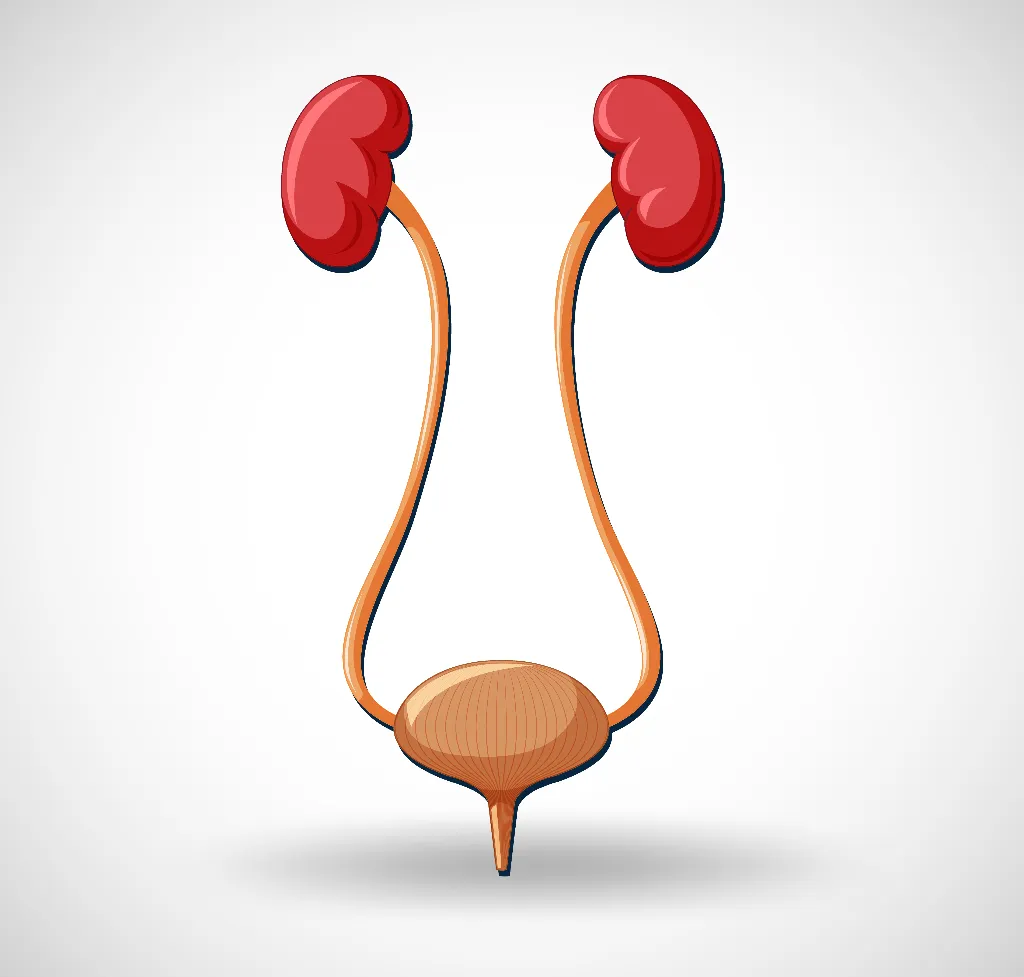
Ureter Surgery

Ureter (Urine Tube)

Clinical Findings

  • Often appears compressed or stuck
  • True invasion is rare

Management

  • Careful dissection
  • Preservation in most cases
  • Stenting if required
  • Small segment resection
  • Reconstruction

Key Point

Requires expertise in both Urologic and Gynecologic Cancer Surgery.

🟡

Urinary Bladder

Clinical Findings

  • Frequently reported as involved on scans
  • Actual deep invasion is uncommon

Management

  • Superficial involvement → shaving/removal
  • Partial resection if required
  • Reconstruction restores normal function

Key Point

Most patients retain normal bladder function after surgery. Modern reconstructive techniques help preserve urinary function and quality of life.

🟡

Rectum

Clinical Findings

  • Can be involved due to proximity

Management Options

  • Superficial disease removed without full resection
  • Full-thickness involvement → segment removal
  • Bowel reconstructed through anastomosis

⚠ About Stoma (Temporary Bag)

  • Rarely required
  • May be needed if healing risk is high

🔑 Important Reassurance

At experienced centres, chances of stoma are low and if required it is usually temporary. Ovarian cancer rarely involves the lower rectum deeply.

🟡

Sigmoid Colon

Clinical Findings

  • Similar to rectum

Management

  • Segmental resection if required
  • Reconstruction of bowel
  • Normal bowel function usually preserved
🟡

Sigmoid Colon

• Can be involved due to proximity

Management

  • Segmental resection if required
  • Reconstruction of bowel
  • Normal bowel function usually preserved
🟡

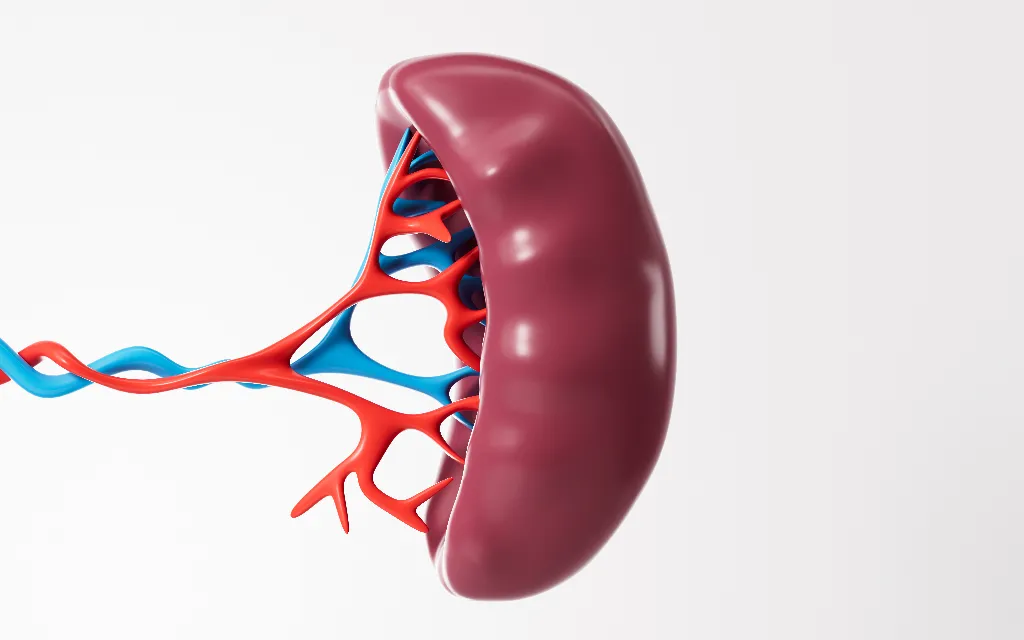
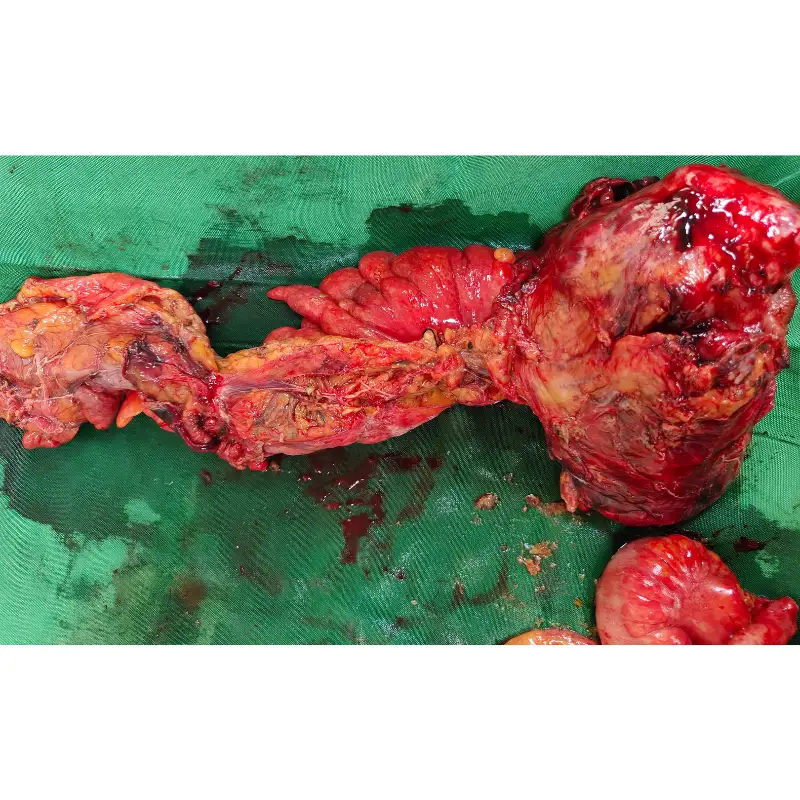
Spleen

Clinical Findings

  • May be involved via surface spread

Management

  • Sometimes requires splenectomy (removal of spleen)

Key Point

Patients can live a normal life without a spleen when proper precautions, vaccinations and follow-up care are maintained.
Spleen Surgery

Goal of Surgery

Complete removal of all visible disease while preserving organ function whenever possible.

Surgical Goal

  • Complete removal of all visible disease
  • Applicable even when multiple organs appear involved

Key Surgical Principles

  • Maximum tumour removal
  • Organ preservation whenever possible
  • Functional outcomes maintained

Role of Other Treatments

  • Chemotherapy
  • Targeted Therapy
  • Based on BRCA / HRD testing

Personalised Treatment

  • Tumour biology assessment
  • BRCA mutation evaluation
  • HRD testing when appropriate

Outcomes

  • Complete tumour removal is often possible
  • Good functional recovery achievable
  • Improved long-term treatment outcomes

Life After Surgery

Normal Eating

Normal Bladder Function

Good Quality of Life

SPECIALIZED OVARIAN CANCER CARE

Why Choose a Comprehensive Ovarian Cancer Centre?

Management of locally advanced ovarian cancer requires expertise in multi-organ surgery, CRS & HIPEC experience, and close coordination between specialist teams.

Expertise Required

  • Expertise in multi-organ surgery
  • Experience in CRS and HIPEC
  • Gynecologic oncology
  • Urology
  • GI surgery

A comprehensive ovarian cancer centre ensures:

  • Safe and complete tumour removal
  • Maximum organ preservation
  • Better functional outcomes

Lets be Informed

5.0 Rating

Google Reviews

Read real stories from patients across India who trusted our specialized surgical protocols for their recovery.

Mansi Modi

"Dr is very brilliant in her work. Mam operated my mom for ovarian cancer. After two years of operation she guides us so genuinely. Even me also for my regular follow ups. She is so polite. Me and my mom came for follow up regularly and we are very satisfied."

Sharmila Baid

"My search for oncosurgeon ends with Dr swati shah, we came from bikaner Rajasthan for surgery of my sister underwent cytoreductive surgery + Hipec was done by Dr swati shah. She is best gynac cancer surgeon in Ahmedabad Gujarat. We are happy after surgery."

Shradhdhaben Goswami

"My mother underwent laproscopic surgery for ovary cancer and then we found out that it had cancer. The cancer came from appendix and spread to all inside abdomen, omentum and peritoneum cytoreductive surgery and hipec was done by Dr Harsh shah and Dr swati shah. Thank u so much both of you."

Dinesh Patel

"I would like to express my gratitude to Dr swati shah for successful crs + hipec surgery of my mother. We experienced homely care during hospital stay.. Highly recommend Dr swati mam as best ovarian cancer surgeon in Ahmedabad."

jatin trivedi

"CRS+HIPEC surgery was done by Dr swati shah. Her compassionate care and meticulous attention to detail have played crucial role in managing condition. I would like to thanks Dr swati mam for extraordinary effort at all levels. I highly recommend her to anyone in need of exceptional cancer care treatment."

Watch our expert-curated shorts for quick, clear answers on diagnosis, treatment & more.

Video testimonials feature satisfied patients and clients sharing authentic stories to build trust and credibility.

This inspiring video shares the remarkable success story of a cancer patient who underwent Cytoreductive Surgery (CRS) and Hyperthermic Intraperitoneal Chemotherapy (HIPEC) under the expert care of Dr. Swati Shah, an esteemed Oncosurgeon in Ahmedabad. The patient’s family member narrates their challenging medical journey, explaining how they traveled from their hometown to seek advanced treatment upon learning about Dr. Shah’s profound clinical expertise. Following a comprehensive medical examination, the patient was diagnosed with advanced cancer. To effectively combat this severe condition, Dr. Shah successfully performed a complex, highly specialized procedure combining CRS and HIPEC.

Features an inspiring testimonial from a brave patient who successfully battled stage 3 ovarian cancer. Hailing from Modasa, Gujarat, the patient and her family share their challenging medical journey from the initial diagnosis to her ongoing recovery. After consulting multiple medical professionals, they found Dr. Swati Shah, a specialized Robotic Uro-Gynecological Onco-Surgeon based in Ahmedabad, who provided them with much-needed guidance, reassurance, and confidence to proceed. The patient’s primary treatment involved Cytoreductive Surgery (CRS) combined with Hyperthermic Intraperitoneal Chemotherapy (HIPEC).

Case summaries provide concise overviews of patient diagnoses, advanced treatments, and successful clinical recovery outcomes.

Advanced Cytoreductive Surgery and HIPEC for Stage IV High-Grade Ovarian Carcinoma

A 54-year-old female presented with severe lower abdominal pain and a complex pelvic mass. Comprehensive evaluations revealed FIGO Stage IV high-grade serous ovarian carcinoma with extensive tumor deposits across the colon and peritoneum. This aggressive spread demanded immediate, complex surgical intervention for optimal survival.

The Solution


⦿ Comprehensive Cytoreduction and HIPEC

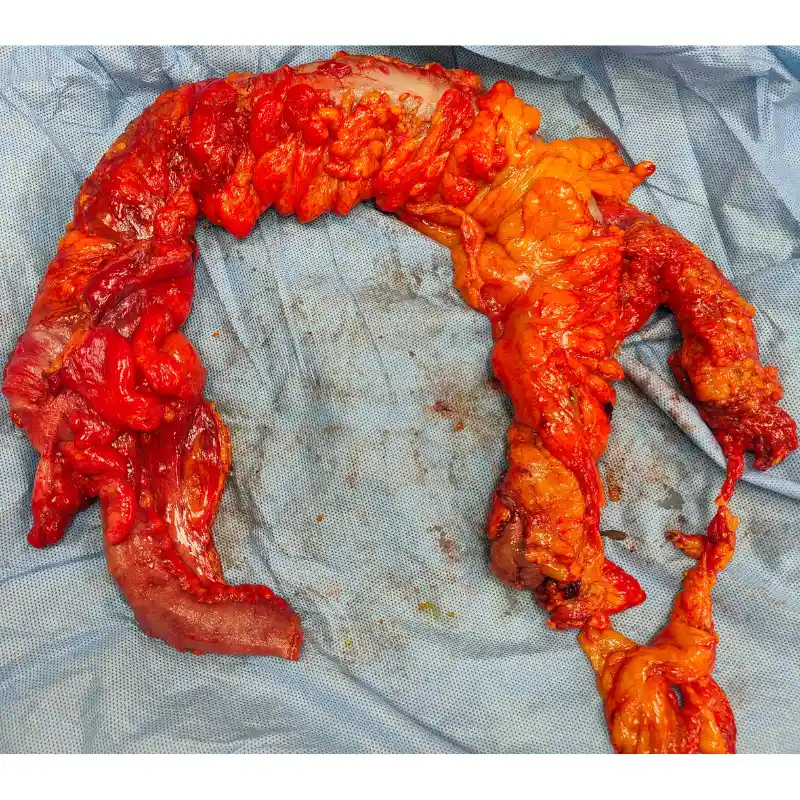
Dr. Swati Shah performed an extensive Cytoreductive Surgery (CRS) combined with Hyperthermic Intraperitoneal Chemotherapy (HIPEC). The highly intricate procedure included a subtotal colectomy, extensive peritonectomies, and bilateral lymph node dissections. Advanced surgical precision ensured maximal tumor clearance while meticulously safeguarding vital urinary and pelvic structures.

» Surgical Highlights & Precision


Procedure: Cytoreductive surgery and HIPEC comprehensively eradicated extensive malignant intra-abdominal deposits.

Extensive Dissection: Bilateral pelvic and retroperitoneal lymph nodes were meticulously cleared using advanced surgical techniques.

Patient Safety: Vital structures were strictly safeguarded, effectively managing blood loss during this massive multi-organ resection.

Cancer Clearance: Complete macroscopic tumor cytoreduction was successfully achieved across the entire abdominopelvic cavity.


» The Outcome


⦿ Uneventful Recovery and Stable Health

Following this extensive cytoreductive surgery, the patient experienced a remarkably uneventful postoperative recovery phase. She was successfully extubated, regained healthy independent mobility, and maintained excellent hemodynamic stability throughout her hospital stay. Final evaluations confirmed the successful removal of the malignancy, allowing for a confident and highly stable discharge on postoperative day eight.

» Dr. Swati Shah’s Insight


Managing Stage IV ovarian carcinoma requires aggressive and meticulous cytoreduction followed immediately by targeted HIPEC. By integrating advanced surgical techniques, we achieved complete macroscopic tumor clearance, providing this patient with an exceptionally strong foundation for long-term survival and renewed quality of life.

Advanced Left Breast Conserving Surgery And Cytoreductive Surgery With HIPEC For Synchronous Carcinomas

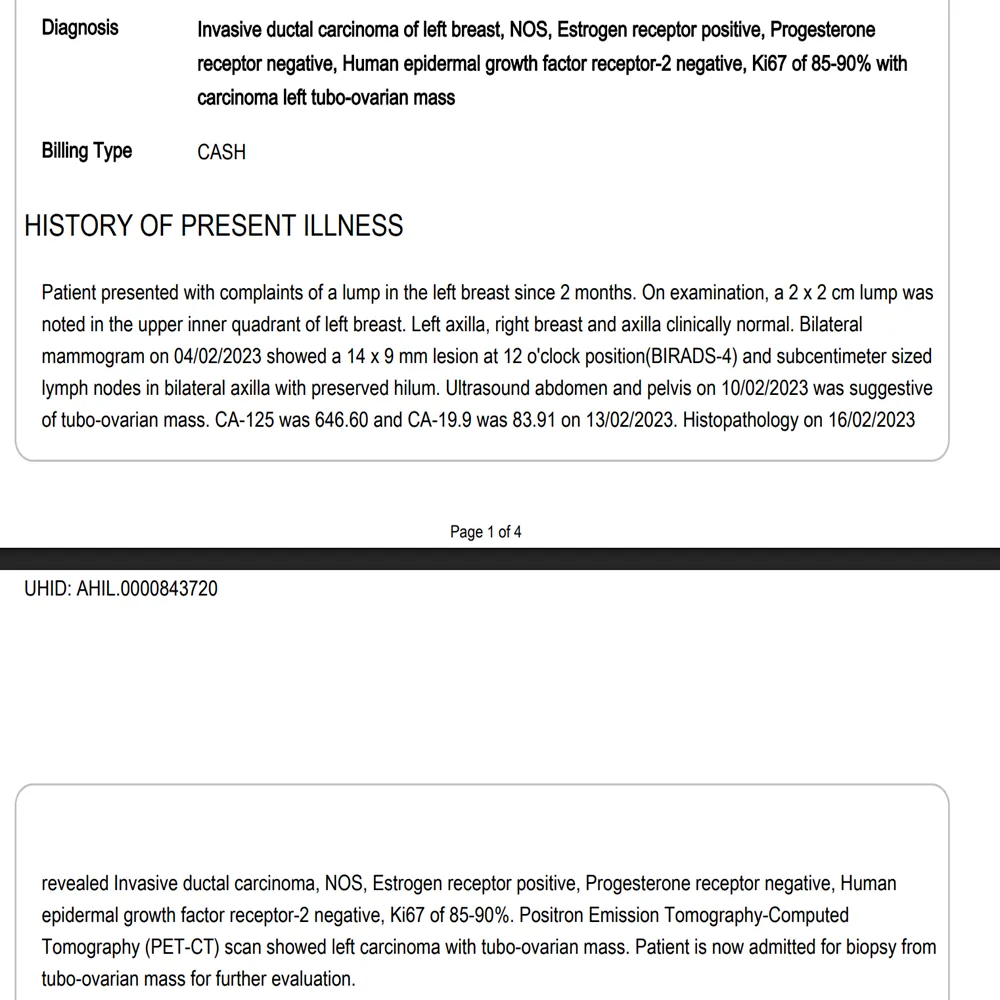
A 41-year-old female presented with a highly aggressive, simultaneous diagnosis of left invasive breast carcinoma and a high-grade serous ovarian carcinoma. The extreme complexity of this synchronous presentation demanded an urgent, extensive multidisciplinary surgical approach to aggressively control and eliminate both primary malignancies simultaneously.

The Solution


⦿ Left BCS, Cytoreductive Surgery, And HIPEC

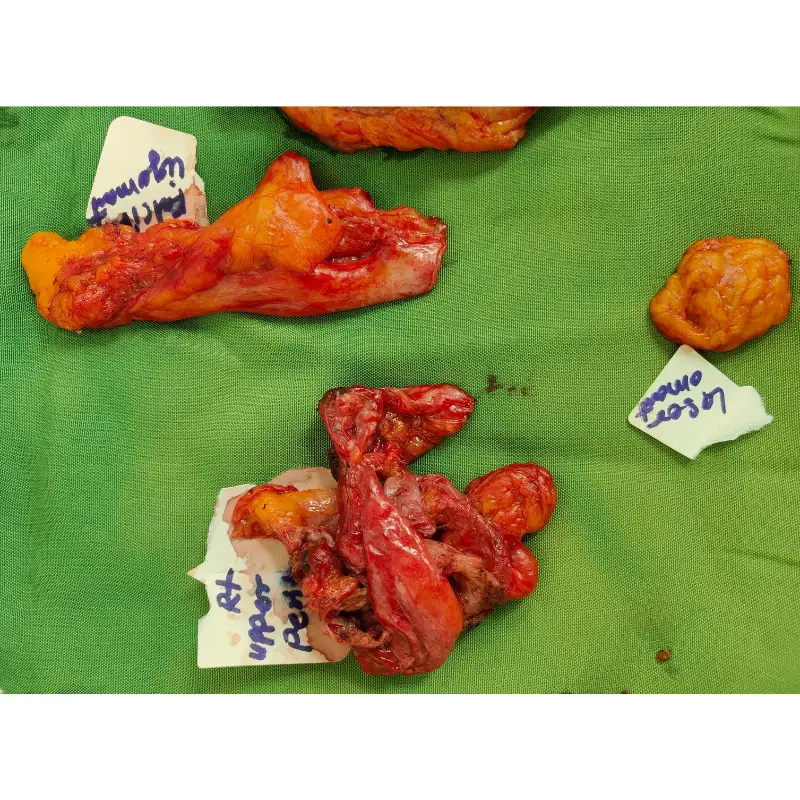
Dr. Swati Shah performed a highly precise left breast conserving surgery with axillary sampling, followed immediately by extensive cytoreductive surgery and Hyperthermic Intraperitoneal Chemotherapy (HIPEC). This advanced and meticulous surgical technique ensured the comprehensive resection of both the breast tumor and the complex tubo-ovarian mass.

» Surgical Highlights & Precision


Procedure: Left breast conservation paired with complete macroscopic cytoreduction and hyperthermic intraperitoneal chemotherapy delivery.

Extensive Lymphadenectomy: Fifty-three lymph nodes across the axillary, pelvic, and paraaortic regions were meticulously cleared.

Patient Safety: The patient remained hemodynamically stable throughout the complex multiorgan resection with well-controlled pain.

Cancer Clearance: Histopathology confirmed completely tumor-free breast surgical margins and fifty-three negative, tumor-free lymph nodes.


» The Outcome


⦿ Complete Tumor Resection And Stable Recovery

The patient achieved an outstanding immediate postoperative recovery, becoming independently ambulatory with completely stable hemodynamics shortly after surgery. Comprehensive final pathology confirmed clear, tumor-free margins in the breast and entirely zero metastatic spread across fifty-three evaluated lymph nodes. She was successfully discharged in a highly stable condition with clean surgical wounds.

» Dr. Swati Shah’s Insight


Managing synchronous breast and ovarian carcinomas required highly synchronized surgical precision and a radically aggressive approach. By combining breast conservation with comprehensive cytoreduction and HIPEC, we achieved a completely margin-free clearance, granting her an exceptional chance for long-term survival.

ADVANCED OVARIAN CANCER

Consult for Advanced Ovarian Cancer

If reports suggest organ involvement:

  • Do not assume inoperable

Expert evaluation can determine:

  • Resectability
  • Organ preservation
  • Best treatment plan
ADVANCED OVARIAN CANCER CARE

Treatment in Ahmedabad, Gujarat

Advanced surgery for locally advanced ovarian cancer is available in Ahmedabad at a comprehensive ovarian cancer centre, offering:

Multi-organ Cancer Surgery

CRS & HIPEC

Personalized Treatment Planning

Frequently Asked Questions

No. Surgery is often still possible and effective.

Not always. Many organs can be preserved.

Very unlikely. If required, it is usually temporary.

Yes, most patients return to normal life.

Cytoreductive surgery for locally advanced ovarian cancer is performed at Apollo Hospital, Bhat, Gandhinagar, with consultations at the Gota clinic in Ahmedabad.

Yes. Bring the CT scan of the chest, abdomen and pelvis, the CA-125 result, any biopsy histopathology and the chemotherapy record, and a second opinion can be given on whether surgery is appropriate and when.

It depends on how extensive the disease is and how fit the patient is. Where complete removal looks achievable, surgery first is preferred. Where it does not, chemotherapy comes first and surgery follows.

Most patients stay in hospital six to nine days and return to routine activity over four to six weeks, depending on how extensive the surgery was.

Dr Swati Shah, MS, DNB — Robotic UroGynec Oncosurgeon, अहमदाबाद में एडवांस्ड ओवेरियन कैंसर की साइटोरिडक्टिव सर्जरी करती हैं। ऑपरेशन Apollo Hospital, Bhat, Gandhinagar में होता है।

Dr Swati Shah, MS, DNB — Robotic UroGynec Oncosurgeon, અમદાવાદમાં એડવાન્સ્ડ ઓવેરિયન કેન્સરની સાયટોરિડક્ટિવ સર્જરી કરે છે. સર્જરી Apollo Hospital, Bhat, Gandhinagar ખાતે થાય છે.

Make An Appointment!