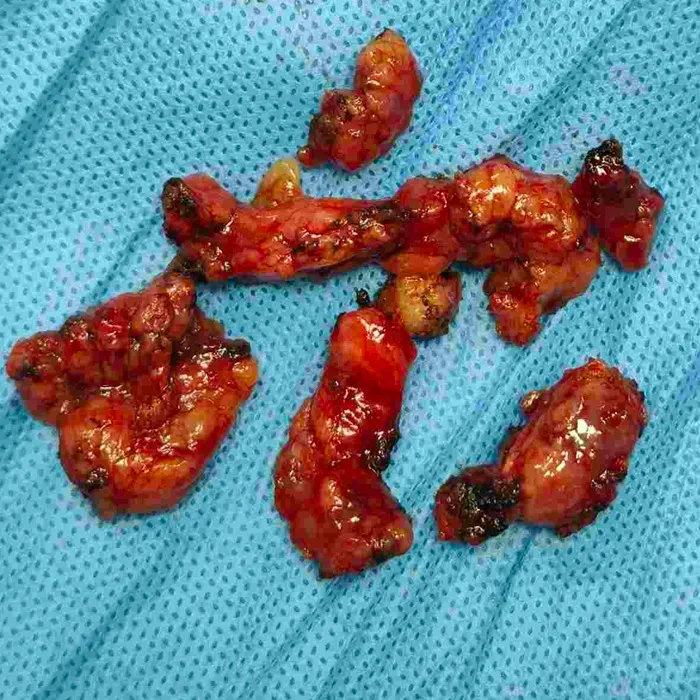
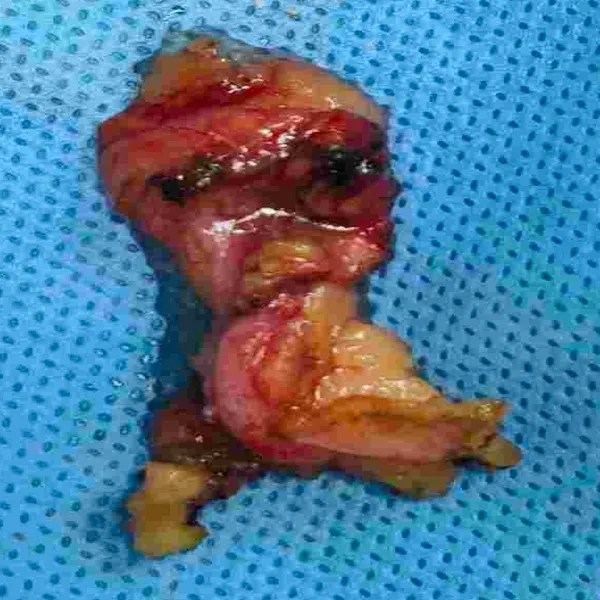
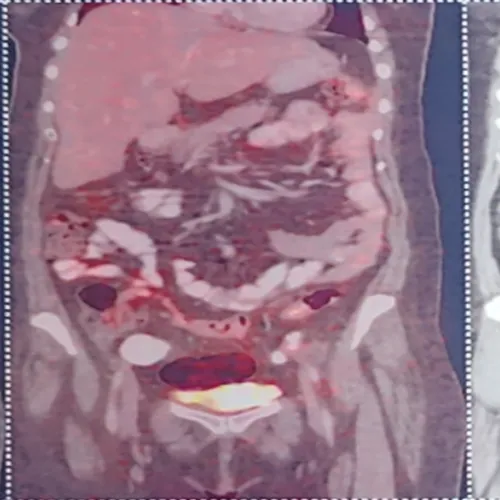
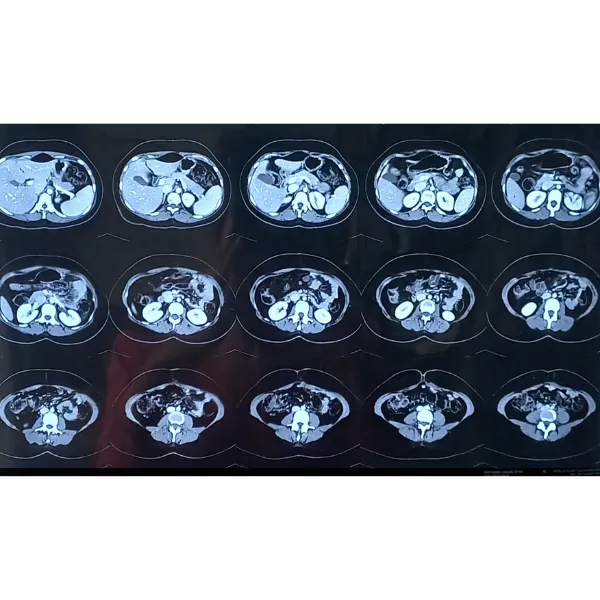
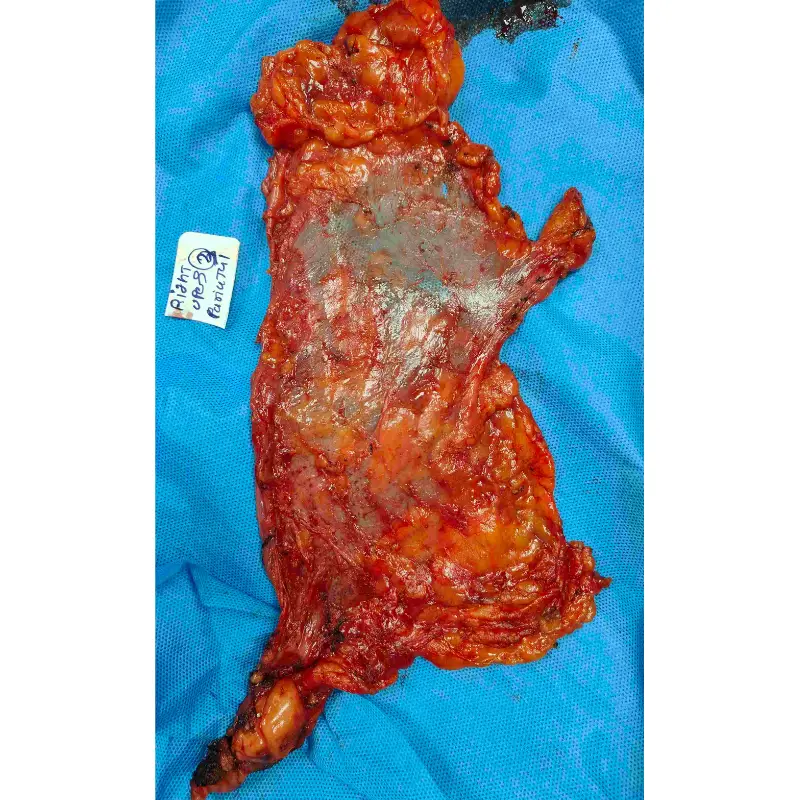
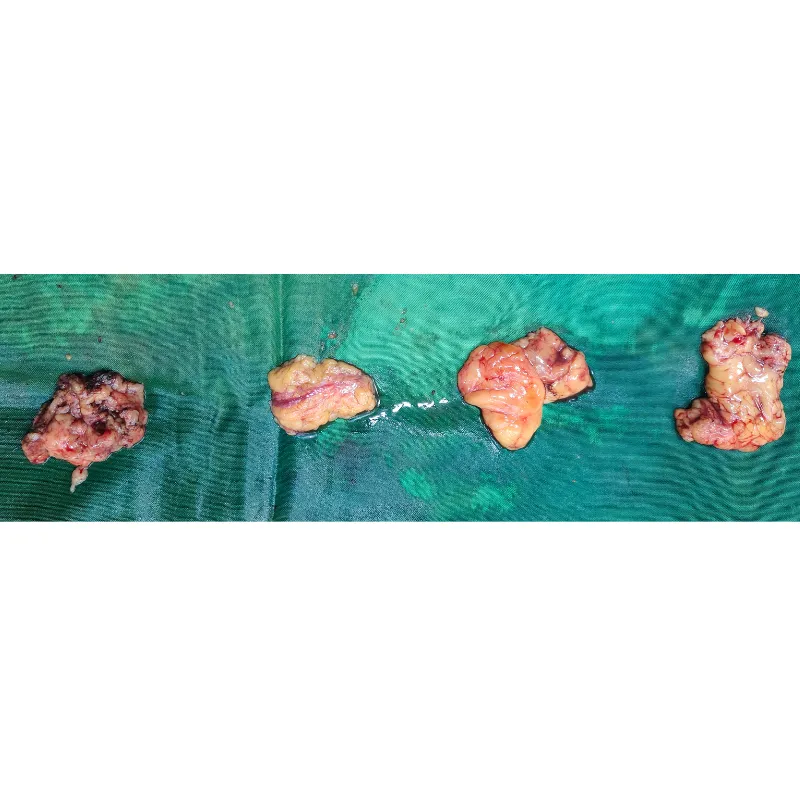
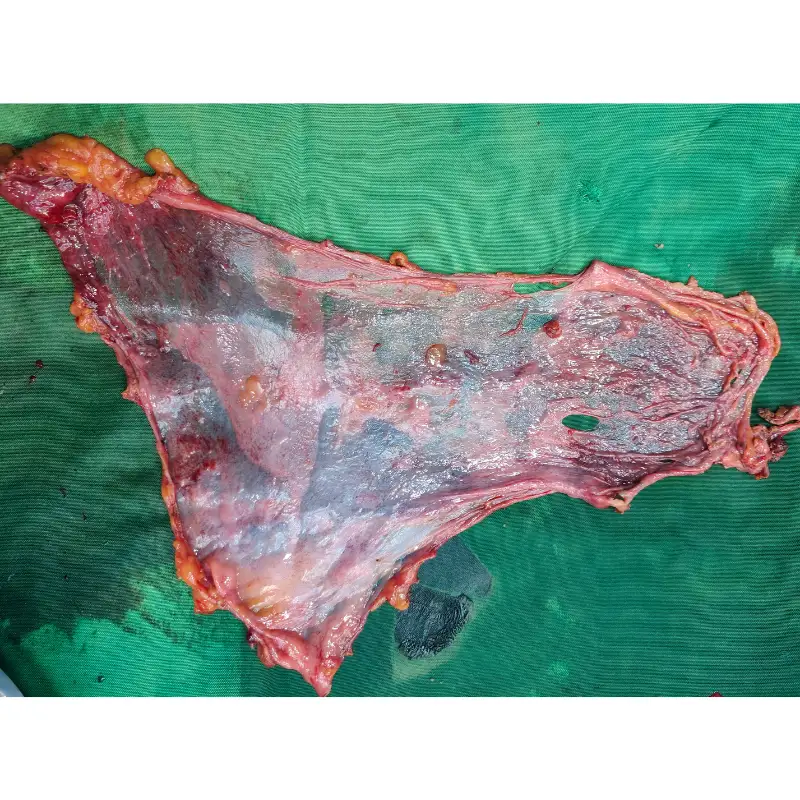
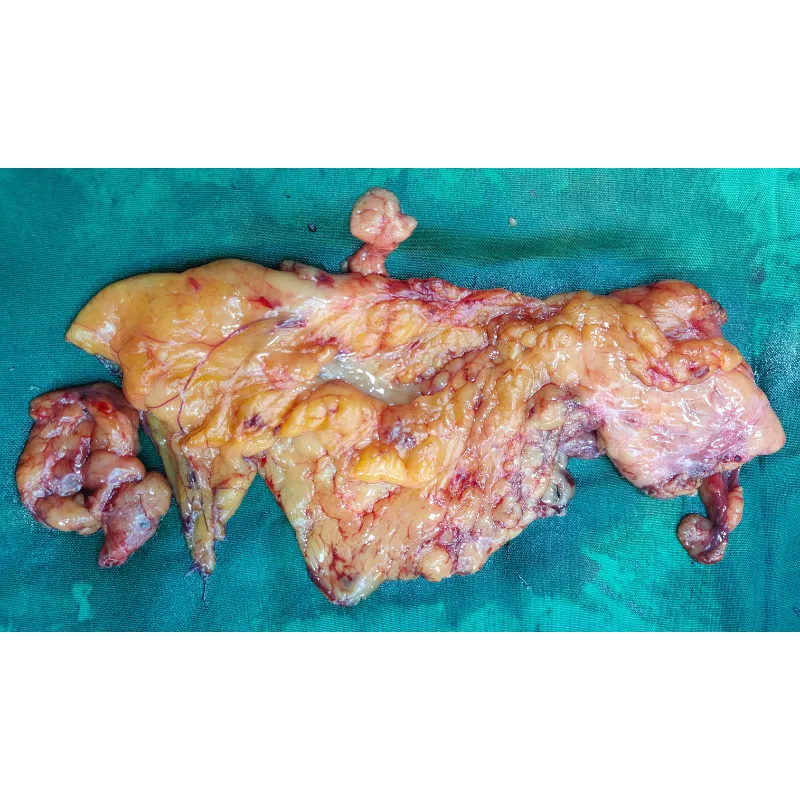
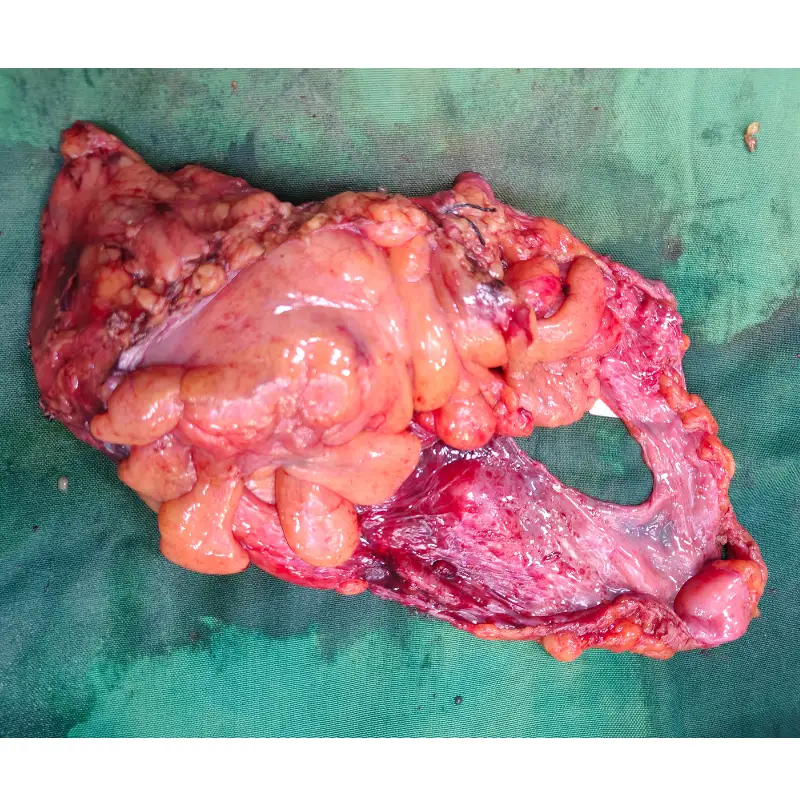
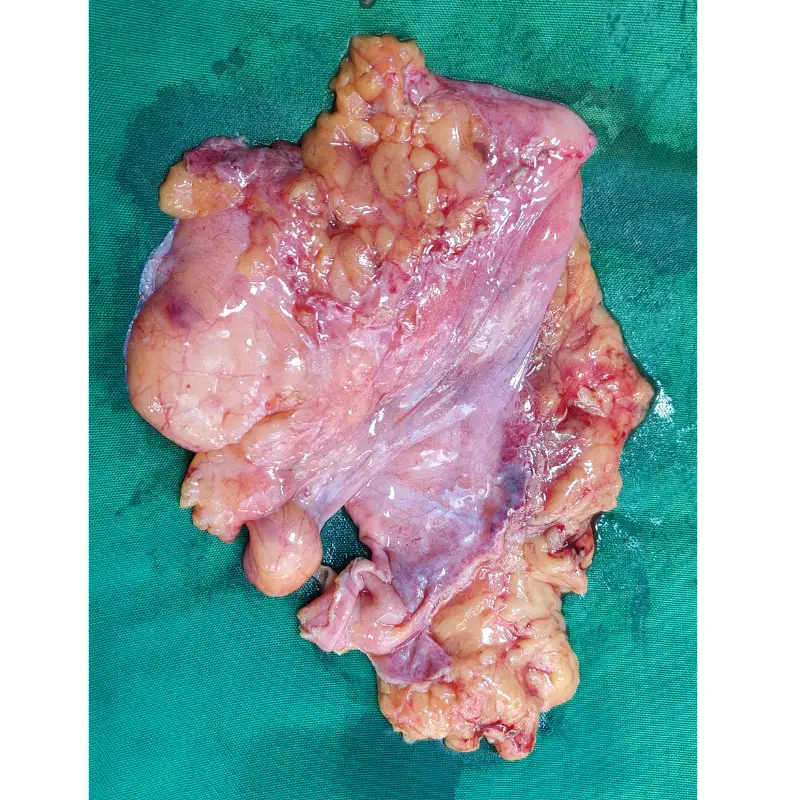
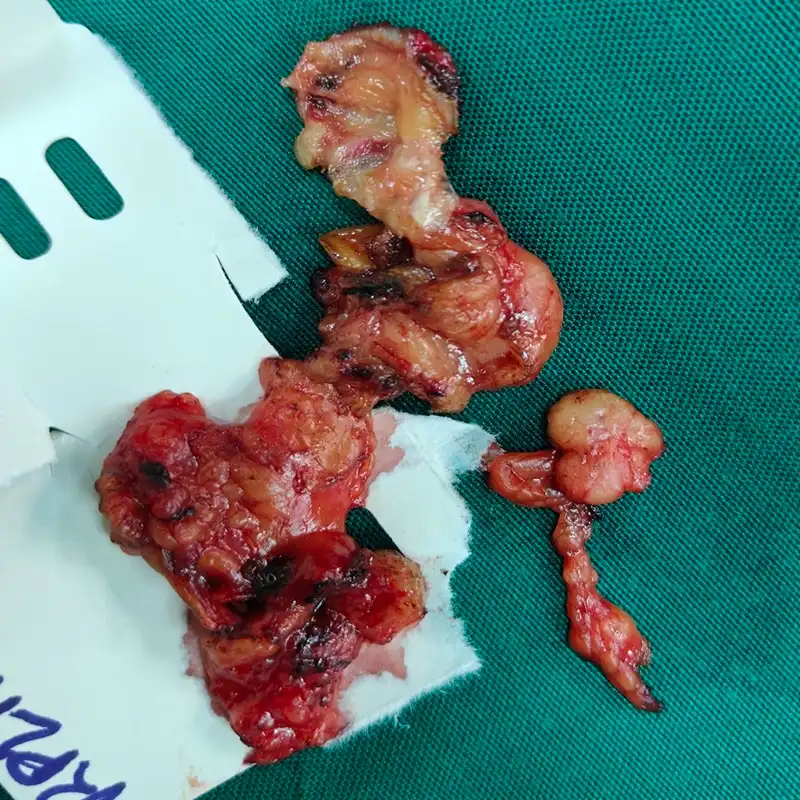
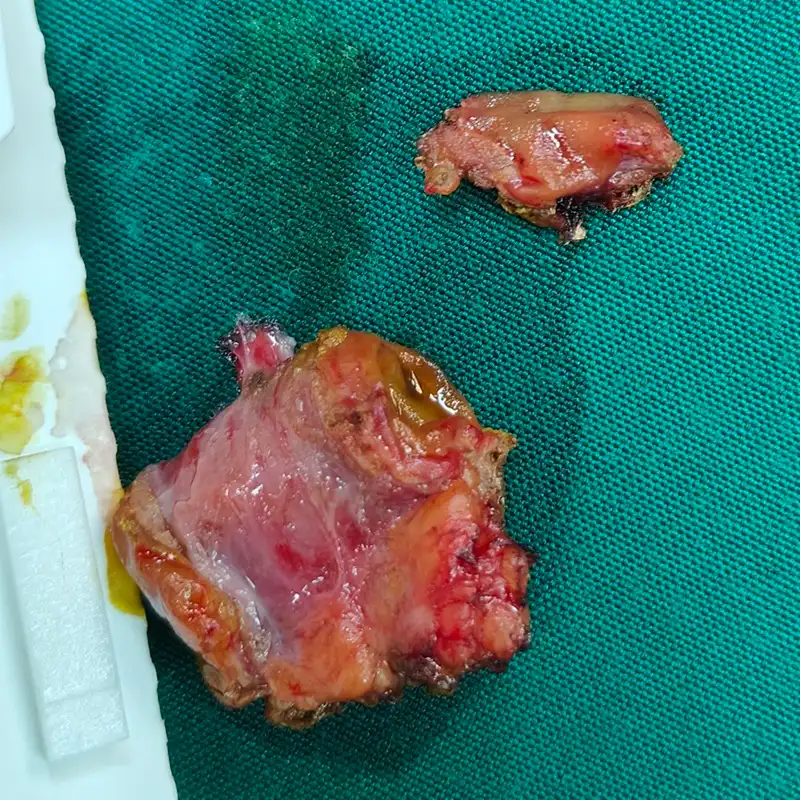
Recurrent Ovary Cancer

Our Patient Stories & Surgical Journeys

Recurrent Ovarian Cancer – Individualized Treatment for Recurrent & Metastatic Ovarian Cancer

Why Individualized Treatment is Important

Our Approach to Recurrent Ovarian Cancer

Our Experience in Recurrent Ovarian Cancer

Advanced Secondary Cytoreductive Surgery and Splenectomy for Recurrent Ovarian Carcinoma

A sixty-year-old female presented with a highly complex recurrence of stage IIIc ovarian cancer following previous treatments. Advanced imaging revealed challenging metastatic nodules deeply infiltrating the splenic parenchyma and the delicate infrapyloric region. This aggressive recurrence demanded immediate and highly precise surgical intervention.

The Solution


⦿ Precision Cytoreduction and Splenectomy

Dr. Swati Shah performed an advanced secondary cytoreductive surgery, carefully executing a complex splenectomy and targeted infrapyloric nodule excision. Utilizing meticulous dissection techniques in the highly vascular splenic hilum, the team ensured the precise removal of visible metastatic disease.

» Surgical Highlights & Precision


• Advanced Cytoreduction: Secondary cytoreductive surgery and splenectomy were flawlessly executed to effectively target the recurring disease.

• Complex Anatomical Dissection: The delicate splenic hilum and surrounding highly vascular tissues were seamlessly and perfectly navigated.

• Patient Safety: Hemostasis was thoroughly achieved, ensuring absolute minimal blood loss and maintaining perfect hemodynamic stability.

• Oncological Clearance: Both the spleen and the targeted infrapyloric metastatic nodules were successfully and completely excised.


» The Outcome


⦿ Successful Recovery and Favorable Pathology

The patient experienced an exceptionally smooth postoperative recovery, becoming fully ambulatory very shortly after the highly complex operation. Comprehensive final histopathology reports quickly confirmed the successful removal of the metastatic ovarian carcinoma from the spleen and the infrapyloric nodule. She was discharged home safely with perfectly stable hemodynamics and optimally controlled postoperative pain.

» Dr. Swati Shah’s Insight


Tackling recurrent ovarian cancer requires absolute surgical precision and a deeply strategic anatomical approach. By meticulously performing this secondary cytoreduction, we safely eliminated the metastatic burden and gave her the strongest possible chance for extended survival.

Secondary Cytoreductive Surgery And Retroperitoneal Lymph Node Dissection For Recurrent Ovarian Carcinoma

A 58-year-old female patient presented with recurrent high-grade serous carcinoma of the ovary following prior surgeries and chemotherapy cycles. The clinical challenge involved navigating extensive surgical adhesions and addressing suspicious retroperitoneal lymph nodes requiring immediate and complex intervention.

The Solution


⦿ Secondary CRS With RPLND

Dr. Swati Shah performed an advanced secondary cytoreductive surgery combined with a comprehensive retroperitoneal lymph node dissection. This meticulous procedure included complex adhesiolysis to free adherent bowel loops and precise excision of targeted retroperitoneal nodes, ensuring optimal cytoreduction.

» Surgical Highlights & Precision


• Procedure: A highly precise secondary cytoreductive surgery with retroperitoneal lymph node dissection was flawlessly executed.

• Lymph Node Dissection: Thirteen retroperitoneal lymph nodes were meticulously excised, successfully identifying four positive metastatic deposits.

• Safety & Blood Loss: Optimal patient safety was maintained, limiting total operative blood loss to just 100 ml.

• Cancer Clearance: The targeted approach achieved comprehensive removal of the affected retroperitoneal and peritoneal disease sites.


» The Outcome


⦿ Stable Recovery And Definitive Pathology

The patient demonstrated an excellent immediate recovery, becoming fully ambulatory with stable hemodynamics shortly after surgery. Final histopathology confirmed metastatic high-grade serous carcinoma in four of the thirteen excised retroperitoneal lymph nodes, without extranodal extension. She was safely discharged with controlled pain and a normal diet.

» Dr. Swati Shah’s Insight


Successfully navigating extensive adhesions allowed me to perform a safe and highly targeted cytoreduction. By completely excising the recurrent metastatic nodes, we provided the best possible foundation for her continued long-term oncological management and survival.

Advanced Exploratory Laparotomy And Ureteric Reconstruction For Recurrent Ovarian Adenocarcinoma

A 39-year-old female presented with severe abdominal pain one month after completing adjuvant chemotherapy for endometrioid ovarian adenocarcinoma. Scans revealed suspected highly aggressive recurrent deposits adhering to her left ureter, sigmoid colon, and major pelvic vessels. This complex presentation demanded immediate, highly specialized surgical intervention.

The Solution


⦿ Complex Pelvic Resection and Reconstruction

Dr. Swati Shah performed an extensive exploratory laparotomy featuring left pelvic nodal mass excision alongside advanced ureteric resection and reconstruction. The complex procedure seamlessly integrated retroperitoneal lymph node dissection and supracolic omentectomy utilizing real-time frozen section analysis. Her advanced surgical precision safely navigated critical pelvic vessels.

» Surgical Highlights & Precision


• Procedure: An advanced laparotomy was executed with simultaneous ureteric reconstruction over a DJ stent.

• Complex Anatomy: Pelvic lymph nodes firmly adhering to major blood vessels were meticulously and safely resected.

• Patient Safety: Excellent hemodynamic stability was maintained throughout the procedure to ensure a rapid postoperative recovery.

• Cancer Clearance: Final histopathology definitively confirmed that all resected surgical specimens were completely free of malignant cells.


» The Outcome


⦿ Favorable Pathology and Rapid Recovery

The patient experienced an exceptionally smooth postoperative recovery, walking shortly after the complex surgery and maintaining stable hemodynamics. Crucially, the final pathology revealed only benign therapy-related inflammatory changes with absolutely no evidence of metastatic disease in the nodes or omentum. She was safely discharged after seven days with perfectly stable functional vitals.

» Dr. Swati Shah’s Insight


Navigating a suspected recurrent pelvic mass requires tremendous anatomical precision to safely protect vital structures like the ureter. I am incredibly thrilled our aggressive reconstructive approach yielded benign final pathology, granting her profound peace of mind and excellent long-term survival.

Secondary Cytoreductive Surgery And Para-Aortic Lymph Node Excision For Recurrent Ovarian Carcinoma

A 58-year-old female presented with weakness and a complex, recurrent left para-aortic lymph node mass following prior treatment for high-grade serous ovarian carcinoma. The tumor was heavily adherent to critical major blood vessels, including the aorta, demanding an extraordinarily precise surgical intervention to prevent catastrophic complications.

The Solution


⦿ Secondary CRS and Targeted Lymphadenectomy

Dr. Swati Shah performed a highly complex secondary cytoreductive surgery, integrating advanced techniques for an exploratory laparotomy and excision of the left para-aortic mass. Employing exceptional surgical precision, she meticulously dissected the densely adherent tumor from the aorta, safely lateralized the ureter, and seamlessly repaired concurrent hernias.

» Surgical Highlights & Precision


• Advanced Tumor Resection: The team successfully excised a densely adherent 4x3 cm retroperitoneal mass.

• Targeted Lymphadenectomy: Extensive dissection yielded multiple nodes, with three confirming metastatic spread from the recurrence.

• Controlled Hemostasis: Despite dissecting around major vessels, blood loss was restricted to roughly 300 ml.

• Comprehensive Clearance: The extensive mass excision and peritoneal evaluation successfully achieved optimal secondary cytoreduction parameters.


» The Outcome


⦿ Restored Stability and Optimal Recovery

The patient experienced an exceptionally smooth and uneventful postoperative recovery, initiating a liquid diet rapidly. Final histopathology confirmed metastatic carcinoma in three nodes, but critically revealed that the surrounding peritoneum and umbilicus remained completely free of tumor. She was discharged with stable hemodynamics, successfully regaining complete ambulatory function.

» Dr. Swati Shah’s Insight


Tackling recurrent ovarian cancer that intimately encases major blood vessels requires unyielding anatomical precision and proactive surgical planning. By securing a meticulous clearance of this complex nodal mass, we have effectively reset the patient's disease burden, offering her an excellent trajectory for long-term survival.


Advanced Exploratory Laparotomy And Extensive Adhesiolysis For Suspected Peritoneal Carcinomatosis

A twenty-seven-year-old female with a history of bilateral ovarian germ cell tumors presented with multiple peritoneal and omental lesions. The primary clinical challenge was differentiating a suspected aggressive malignant recurrence from other complex intra-abdominal pathologies requiring precise surgical intervention.

The Solution


⦿ Exploratory Laparotomy and Nodule Excision

Dr. Swati Shah performed a meticulous exploratory laparotomy accompanied by extensive adhesiolysis of the small and large bowel. She safely executed a greater omentectomy and precise excision of multiple peritoneal and mesenteric nodules to ensure a comprehensive diagnostic and therapeutic approach.

» Surgical Highlights & Precision


• Procedure Setup: Advanced exploratory laparotomy with meticulous bowel adhesiolysis and targeted tissue excision was successfully utilized.

• Complex Anatomy: Multiple tiny, difficult-to-reach nodules densely adherent to the bowel and mesentery were carefully navigated.

• Surgical Safety: Exceptional hemostasis was maintained throughout the entire procedure, resulting in minimal operative blood loss.

• Diagnostic Completeness: Extensive tissue sampling successfully ruled out malignancy, confirming granulomatous inflammation instead of cancer recurrence.


» The Outcome


⦿ Favorable Non-Malignant Diagnosis

The patient experienced an uneventful postoperative recovery and was successfully discharged with completely stable hemodynamics. Crucially, the final histopathological evaluation revealed granulomatous inflammation with caseous necrosis, entirely ruling out the suspected oncological recurrence. She maintained well-controlled vitals and excellent pain management, ensuring a safe transition home.

» Dr. Swati Shah’s Insight


By employing a meticulous surgical approach, we successfully navigated complex adhesions to safely obtain critical diagnostic tissue. This precision allowed us to effectively rule out cancer recurrence, providing a non-malignant diagnosis of granulomatous inflammation and immense peace of mind.

Complex Secondary Cytoreductive Surgery And HIPEC For Recurrent High-Grade Ovarian Carcinoma

A 58-year-old female presented with recurrent high-grade serous ovarian carcinoma following multiple cycles of chemotherapy. Imaging revealed aggressive tumour deposits along the pelvic lining, sigmoid colon, and mesocolon. This complex recurrence demanded an urgent, highly advanced surgical intervention to achieve complete cancer clearance.

The Solution


⦿ Comprehensive Cytoreduction With HIPEC

Dr. Swati Shah performed a highly complex secondary cytoreductive surgery CC0, including an exploratory laparotomy, low anterior resection, and multiorgan peritoneactomy. This meticulous clearance of the pelvic peritoneum, omentum, and colon was immediately followed by Hyperthermic Intraperitoneal Chemotherapy (HIPEC) to target microscopic disease.

» Surgical Highlights & Precision


• Comprehensive Procedure: Dr. Shah executed a complete CC0 cytoreduction alongside a low anterior resection.

• HIPEC Integration: Targeted hyperthermic chemotherapy was administered directly into the abdomen to eradicate residual cells.

• Controlled Blood Loss: The extensive multiorgan procedure was completed with optimal safety and manageable blood loss.

• Complete Cancer Clearance: Pathological evaluation confirmed that all vital surgical resection margins were entirely free of tumour.


» The Outcome


⦿ Uneventful Recovery And Disease Clearance

The patient experienced an exceptionally smooth and uneventful postoperative recovery, quickly regaining her mobility. Final histopathology confirmed complete clearance, with all resected bowel margins and multiple peritoneal biopsies remaining free of malignancy. She was discharged in a fully stable, ambulatory condition with excellent functional preservation.

» Dr. Swati Shah’s Insight


Tackling recurrent ovarian cancer requires immense surgical precision to achieve absolute visual clearance of the disease. By combining a meticulous CC0 cytoreduction with targeted HIPEC, we maximized this patient's chance for long-term survival and renewed quality of life.

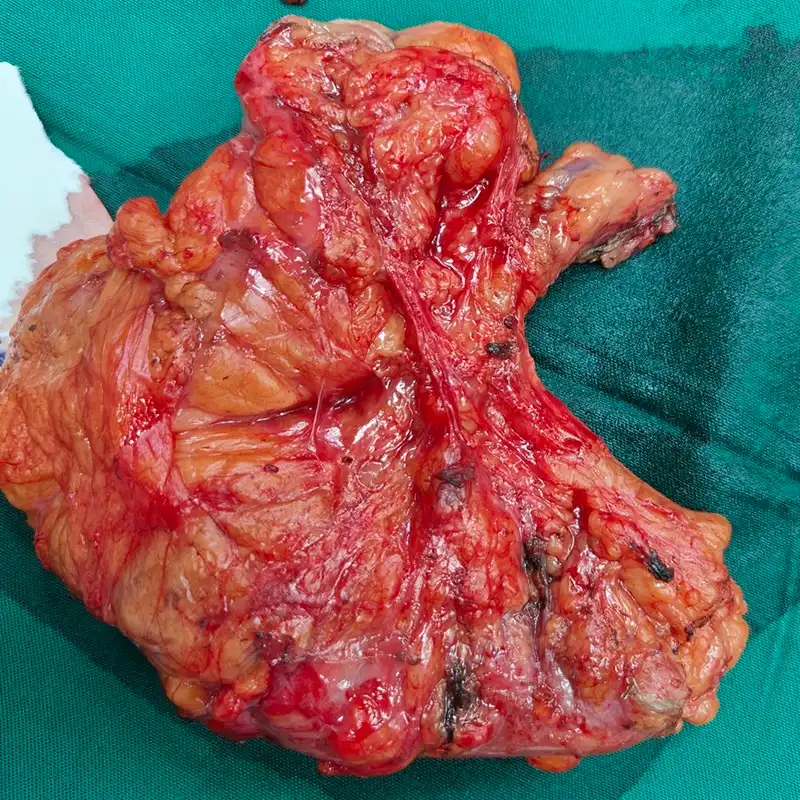
Advanced Secondary Cytoreductive Surgery and Splenectomy for Recurrent Ovarian Carcinoma

A 40-year-old female presented with rising tumor markers and a distinct splenic recurrence following extensive previous ovarian cancer treatments. Having already undergone primary cytoreductive surgery alongside intensive chemotherapy, this isolated metastatic lesion deep within the splenic hilum presented a highly complex surgical challenge.

The Solution


⦿ Secondary Cytoreductive Surgery

Dr. Swati Shah performed an advanced secondary cytoreductive surgery, carefully executing a complex exploratory laparotomy and targeted splenectomy. Utilizing precise surgical techniques to navigate dense intra-abdominal adhesions from prior operations, she successfully isolated and completely excised the affected spleen. This approach ensured maximal tumor clearance while preserving surrounding healthy tissue.

» Surgical Highlights & Precision


• Procedure: Secondary cytoreductive surgery and complete splenectomy were performed to remove the metastatic lesion.

• Complex Anatomy: Extensive adhesiolysis was meticulously required to safely navigate previously operated and healed intra-abdominal tissues.

• Safety & Blood Loss: Hemostasis was strictly maintained throughout the procedure, ensuring a minimal blood loss of exactly 100ml.

• Cancer Clearance: The metastatic serous carcinoma lesion was completely excised with a clear, safe capsule margin.


» The Outcome


⦿ Successful Recovery and Tumor Clearance

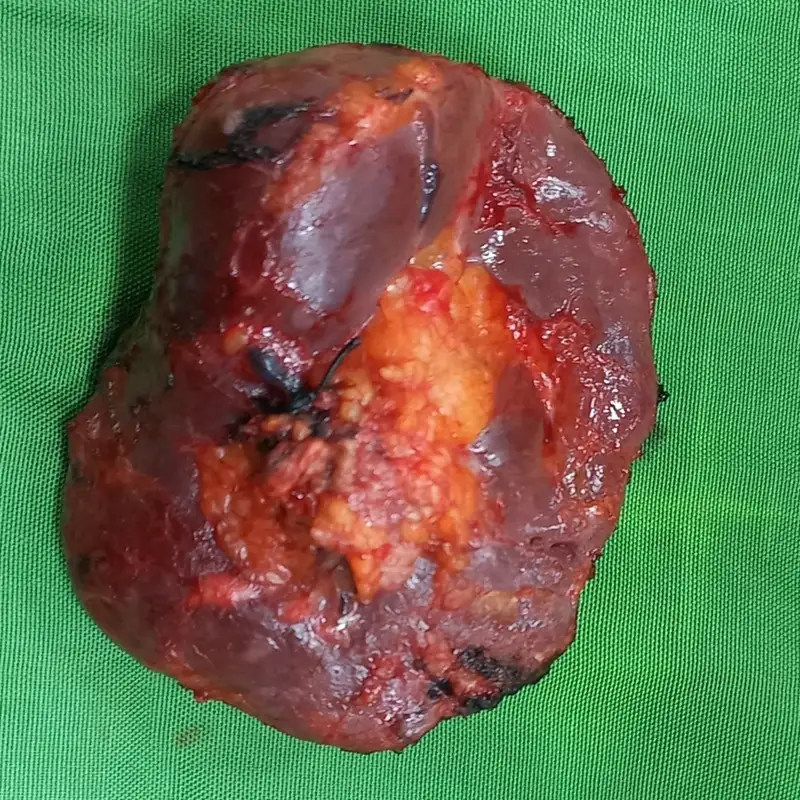
The patient experienced an exceptionally smooth postoperative recovery, mobilizing rapidly and maintaining completely stable hemodynamics. Final histopathology explicitly confirmed the complete removal of the targeted metastatic serous carcinoma localized within the spleen. She was safely discharged on a normal diet just three days later, successfully achieving excellent functional status and thorough disease clearance.

» Dr. Swati Shah’s Insight


Tackling a recurrent tumor in previously operated anatomy requires meticulous precision to ensure complete clearance while maximizing patient safety. I am extremely pleased that our advanced secondary cytoreductive approach provided this patient with optimal tumor control and a swift, stable recovery.

Advanced Robotic Secondary Cytoreductive Surgery And HIPEC For Recurrent High-Grade Ovarian Cancer

The patient is a 46-year-old female presenting with a highly complex case of recurrent ovarian carcinoma following multiple prior cycles of chemotherapy. Despite previous interventions, the aggressive cancer had spread, forming a persistent sub-diaphragmatic mass heavily involving the liver and right kidney capsule.

The Solution


⦿ Secondary CRS + HIPEC

Dr. Swati Shah performed a highly intricate Secondary CRS and HIPEC utilizing advanced robotic-assisted precision to meticulously navigate the compromised abdominal cavity. The comprehensive procedure included a total peritonectomy, intricate liver marginal resection, and targeted delivery of heated chemotherapy to eradicate all remaining microscopic disease.

» Surgical Highlights & Precision


• Procedure: Advanced cytoreductive surgery and HIPEC were executed with meticulous robotic-assisted surgical precision.

• Complex Anatomy: The intricate sub-diaphragmatic mass and extensive peritoneal involvement were safely and completely excised.

• Blood Loss: Excellent hemodynamic stability was maintained throughout the operation with effectively managed blood loss.

• Cancer Clearance: Final histopathology confirmed successful tumor-free status across the total peritonectomy and omentectomy specimens.


» The Outcome


⦿ Successful Disease Clearance And Recovery

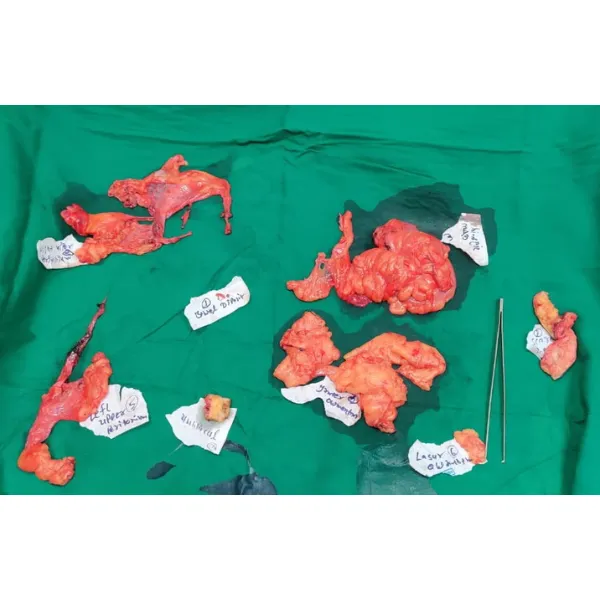
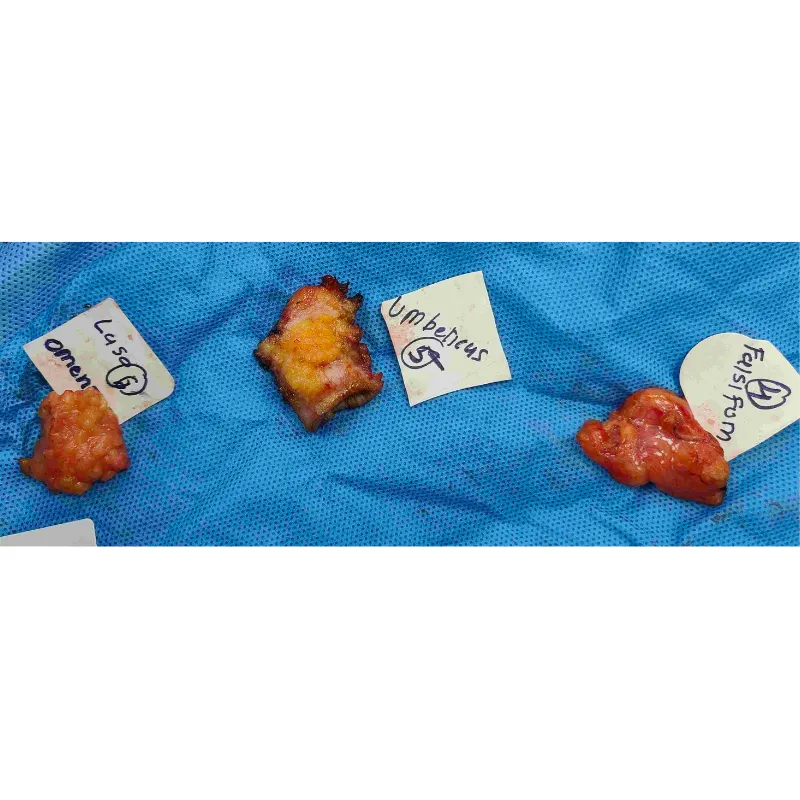
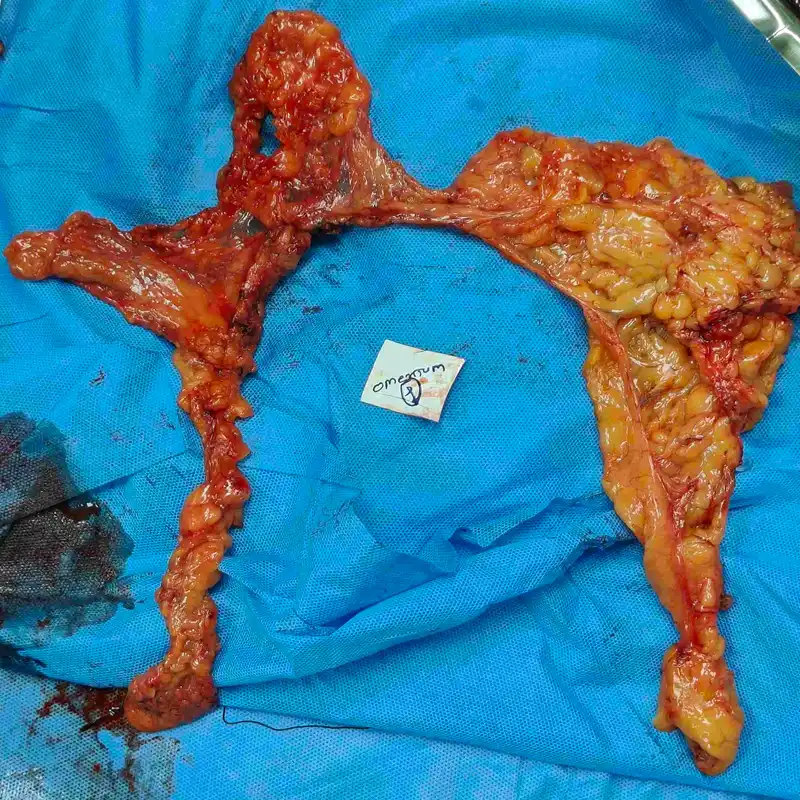
The patient experienced an exceptionally smooth and uneventful postoperative recovery, remaining completely hemodynamically stable. Final histopathology results confirmed a tumor-free omentum, falciform ligament, umbilicus, and lesser sac. Following this complex intervention, she rapidly regained independent physical function and was safely discharged with an excellent long-term prognosis.

» Dr. Swati Shah’s Insight


By utilizing advanced robotic surgical precision alongside comprehensive HIPEC therapy, we successfully eradicated this challenging recurrent ovarian carcinoma. Our meticulous cytoreductive approach has ultimately provided the patient with the absolute highest possible chance for a long-term survival.

Secondary Cytoreductive Surgery And HIPEC For Recurrent Serous Ovarian Carcinoma

A 52-year-old female presented with severe trunk pain and was diagnosed with recurrent serous ovarian carcinoma involving multiple pelvic deposits. Having undergone previous surgical and chemotherapeutic treatments, this case presented a highly complex challenge due to new invasive deposits affecting her sigmoid colon and pelvic peritoneum.

The Solution


⦿ Secondary Cytoreductive Surgery with HIPEC

Dr. Swati Shah performed a complex Secondary Cytoreductive Surgery followed by Hyperthermic Intraperitoneal Chemotherapy (HIPEC). This advanced surgical procedure required meticulous precision to execute a low anterior resection, extensive peritonectomies, and a comprehensive pelvic and retroperitoneal lymph node dissection.

» Surgical Highlights & Precision


• Procedure: Dr. Shah successfully completed extensive cytoreduction with an intricate low anterior bowel resection.

• Extensive Lymphadenectomy: The surgical team meticulously cleared thirty-three regional lymph nodes across the pelvis and retroperitoneum.

• Safety and Blood Loss: Patient safety was maintained throughout the extensive multi-organ resection with controlled, manageable blood loss.

• Cancer Clearance: The meticulous technique achieved completely negative invasive carcinoma margins across all resected surgical specimens.


» The Outcome


⦿ Successful Recovery and Favorable Pathology

The patient experienced an uneventful postoperative recovery and was safely discharged in a hemodynamically stable, ambulatory condition. Final histopathology reports confirmed that all thirty-three dissected regional lymph nodes were entirely negative for metastatic spread. Furthermore, all surgical resection margins were completely free of invasive carcinoma, offering an excellent functional and oncological prognosis.

» Dr. Swati Shah’s Insight


Tackling recurrent ovarian carcinoma requires a highly aggressive yet remarkably precise surgical approach. By combining extensive multi-organ cytoreduction with targeted HIPEC therapy, we effectively cleared the complex peritoneal disease and secured the absolute best chance for her long-term survival.
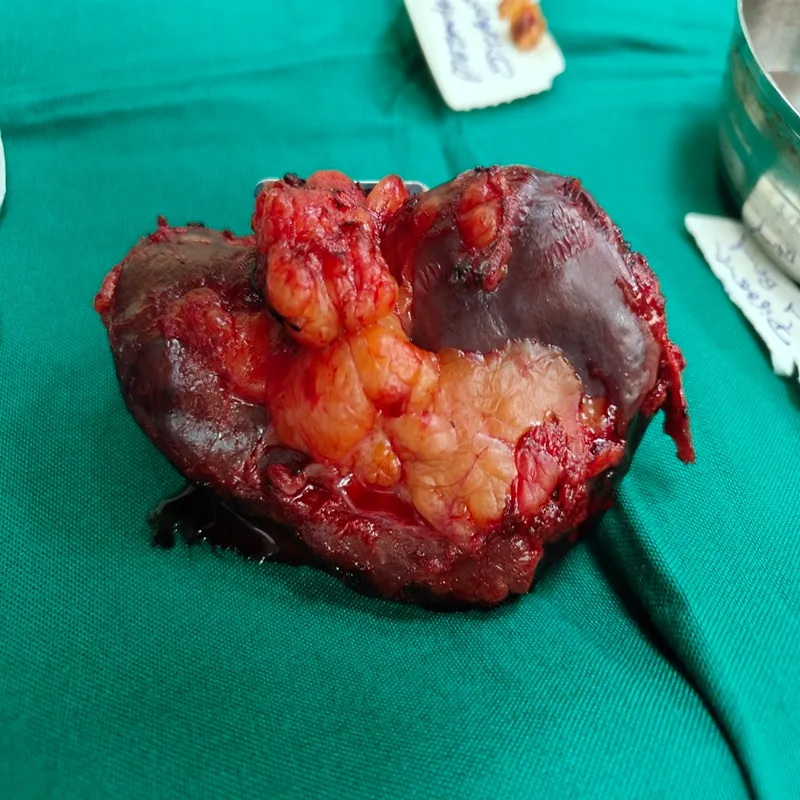
Advanced Secondary Cytoreductive Surgery and HIPEC for Recurrent High-Grade Ovarian Cancer

A fifty-year-old female presented with mild lower abdominal pain and a complex diagnosis of recurrent, high-grade serous ovarian carcinoma featuring widespread metastases. Despite prior therapies, this highly aggressive cancer returned, demanding an urgent, intricate surgical intervention to achieve optimal cytoreduction and extend her survival.

The Solution


⦿ Complex Secondary Cytoreduction and HIPEC

Dr. Swati Shah performed a precise robotic-assisted secondary cytoreductive surgery combined with targeted Hyperthermic Intraperitoneal Chemotherapy. Utilizing an advanced robotic system, she seamlessly executed a splenectomy, complex bowel resections, and complete excision of metastatic deposits. This minimally invasive precision maximized comprehensive disease eradication.

» Surgical Highlights & Precision


• Procedure: Dr. Shah utilized exceptional precision during the secondary cytoreductive surgery and targeted HIPEC.

• Complex Anatomy: The intricate surgery successfully removed multiple metastatic deposits across several vital abdominal organs.

• Blood Loss: Strict patient safety measures ensured a highly controlled intraoperative blood loss of 500 ml.

• Cancer Clearance: Final pathology confirmed completely tumor-free resection margins and a pristine colorectal anastomosis site.


» The Outcome


⦿ Excellent Recovery and Favorable Pathology

Following the complex surgery, the patient achieved an uneventful postoperative recovery and was successfully discharged with completely stable hemodynamics. The exhaustive final histopathology proudly confirmed tumor-free surgical resection margins alongside perfectly benign retroperitoneal lymph nodes. Ultimately, she preserved excellent functional integrity, paving a highly optimistic and confident pathway toward sustained long-term oncological remission.

» Dr. Swati Shah’s Insight


Navigating this aggressive recurrence demanded absolute surgical precision and a highly customized therapeutic strategy. By aggressively resecting the complex metastases and delivering targeted intraperitoneal chemotherapy, we successfully granted this patient the greatest possible chance for a durable, long-term cure.

Advanced Laparoscopic Right Adnexal Mass Resection And Bilateral Salpingectomy For Ovarian Pathology

A fifty-five-year-old female presented with concerning abdominal discomfort and imaging revealing a suspicious right adnexal mass requiring immediate evaluation. Given the patient’s age and the ambiguous nature of the ovarian tumor, precise surgical intervention was urgently required to prevent potential malignant progression and effectively resolve her worsening symptoms.

The Solution


⦿ Laparoscopic Right Adnexal Mass Resection

Dr. Swati Shah performed a meticulously planned laparoscopic right adnexal mass resection combined with a bilateral salpingectomy. Utilizing advanced minimally invasive techniques, the surgical team navigated delicate pelvic structures with exceptional visualization and control. This extremely precise approach ensured the completely intact removal of the mass without any detrimental spillage.

» Surgical Highlights & Precision


• Procedure: Advanced laparoscopic right adnexal mass resection with complete bilateral salpingectomy was successfully executed.

• Complex Anatomy: The delicate pelvic structures and surrounding vessels were carefully preserved during the dissection.

• Safety Profile: The minimally invasive approach guaranteed minimal intraoperative blood loss and maximized patient safety.

• Completeness: The suspicious mass was entirely excised with negative margins and absolutely no spillage.


» The Outcome


⦿ Rapid Recovery and Excellent Prognosis

The patient experienced an exceptionally smooth and rapid post-operative recovery, walking comfortably within hours of the procedure. Final pathology reports confirmed the complete removal of the mass with highly favorable, benign characteristics. She was discharged in stable condition shortly after, successfully regaining her baseline functional status with a great prognosis.

» Dr. Swati Shah’s Insight


By utilizing an advanced laparoscopic approach, we successfully managed a potentially complex adnexal mass with unparalleled precision. This minimally invasive technique allowed us to ensure a safe, definitive treatment while offering the patient a remarkably fast and comfortable recovery.

What These Clinical Cases Demonstrate

Understanding Your Follow-up Reports

Most recurrences are detected during routine follow-up before symptoms become severe.
Common reasons for further evaluation include rising tumour markers, new imaging findings
or symptoms developing after completion of treatment.

Blood Tests


Your follow-up investigations may include:

A rising CA-125 may indicate recurrent disease in some patients, but it does not always mean immediate treatment is required. Further evaluation with imaging and clinical assessment is usually necessary.

CT Scan / MRI

Your report may mention:

PET-CT

PET-CT may describe:

These findings help determine the location and extent of recurrence, allowing individualized treatment planning.

Understanding Your Previous Consultation

Patients commonly seek a second opinion after hearing statements such as:

These recommendations may differ between patients because every recurrence behaves differently. A comprehensive reassessment can help determine the most appropriate treatment strategy.

Common Questions After Recurrence

My CA-125 is increasing but my CT scan is normal. What should I do?

A rising CA-125 does not always require immediate treatment. Your doctor may recommend repeat blood tests, CT scan, MRI or PET-CT depending on the rate of increase, previous treatment and clinical findings.

My PET scan shows only one recurrent lymph node. Is surgery possible?

Some patients with isolated lymph node recurrence may be suitable for secondary cytoreductive surgery after careful evaluation.

My recurrence is confined to the pelvis. Can it be removed?

Localized pelvic recurrence may be suitable for surgery in selected patients, depending on previous operations, disease-free interval and the possibility of complete tumour removal.

My doctor says I have platinum-sensitive recurrence. What does that mean?

Platinum-sensitive recurrence generally refers to cancer returning after a meaningful interval following platinum-based chemotherapy. These patients often have more treatment options, which may include chemotherapy, surgery or targeted therapy depending on the individual situation.

My doctor says I have platinum-resistant recurrence. Does this mean surgery is impossible?

Not necessarily. Treatment decisions depend on the location and extent of recurrence, previous treatment and overall health. Surgery may still be considered in carefully selected situations.

Can recurrent ovarian cancer be treated with surgery again?

Yes. Selected patients with localized recurrence and the possibility of complete tumour removal may benefit from secondary cytoreductive surgery.

Can HIPEC be performed again?

Repeat CRS with HIPEC may be considered in highly selected patients after detailed multidisciplinary evaluation. The decision depends on previous treatment, current disease distribution and overall fitness.

Will I always need chemotherapy if the cancer comes back?

Not always. Some patients require chemotherapy, while others may benefit from surgery, targeted therapy or a combination of treatments. Management is individualized.

Can targeted therapy or PARP inhibitors help?

Targeted therapy may be appropriate for selected patients depending on BRCA status, HRD status, previous treatment and disease characteristics.

Should I seek a second opinion after recurrence?

Yes. Because recurrent ovarian cancer is highly individualized, review by a specialist team experienced in recurrent disease can help determine whether surgery, chemotherapy, targeted therapy or combined treatment is most appropriate.

Related Services

Related Conditions

When Should You Consult an Ovarian Cancer Specialist?

A specialist review is recommended if:

Key Take-home Messages

Every Recurrence is Different

Recurrent ovarian cancer may present as a single pelvic lesion, isolated lymph node recurrence, peritoneal deposits, organ recurrence or rising CA-125. Treatment should be individualized rather than following a single standard approach.

Common Follow-up Report Terms

  • Rising CA-125
  • FDG-avid pelvic lesion
  • Para-aortic lymph node recurrence
  • Pelvic recurrence
  • Peritoneal nodule
  • Omental recurrence
  • Vaginal vault recurrence
  • Platinum-sensitive recurrence
  • Platinum-resistant recurrence

A Second Opinion Can Change the Treatment Plan

Patients with recurrent ovarian cancer often receive different treatment recommendations. Careful review of previous surgery, chemotherapy, imaging and current disease pattern helps determine whether surgery, systemic therapy, targeted therapy or combined treatment offers the greatest benefit.

Hope Through Individualized Care

A diagnosis of recurrent ovarian cancer does not automatically mean that all treatment options have been exhausted. Careful reassessment by an experienced multidisciplinary team may identify additional treatment opportunities tailored to the individual pattern of recurrence.

Make An Appointment!