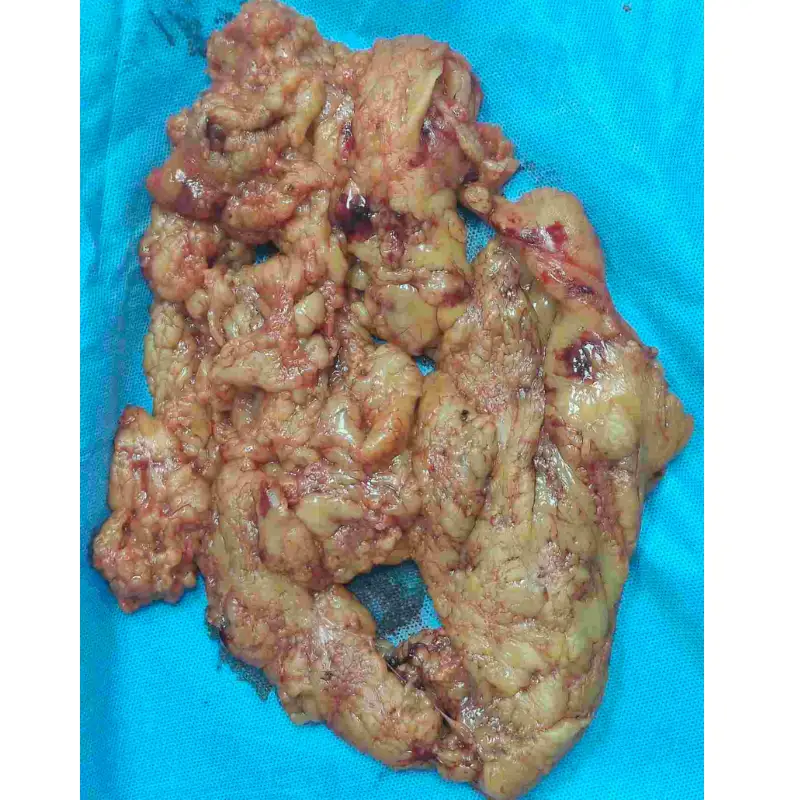
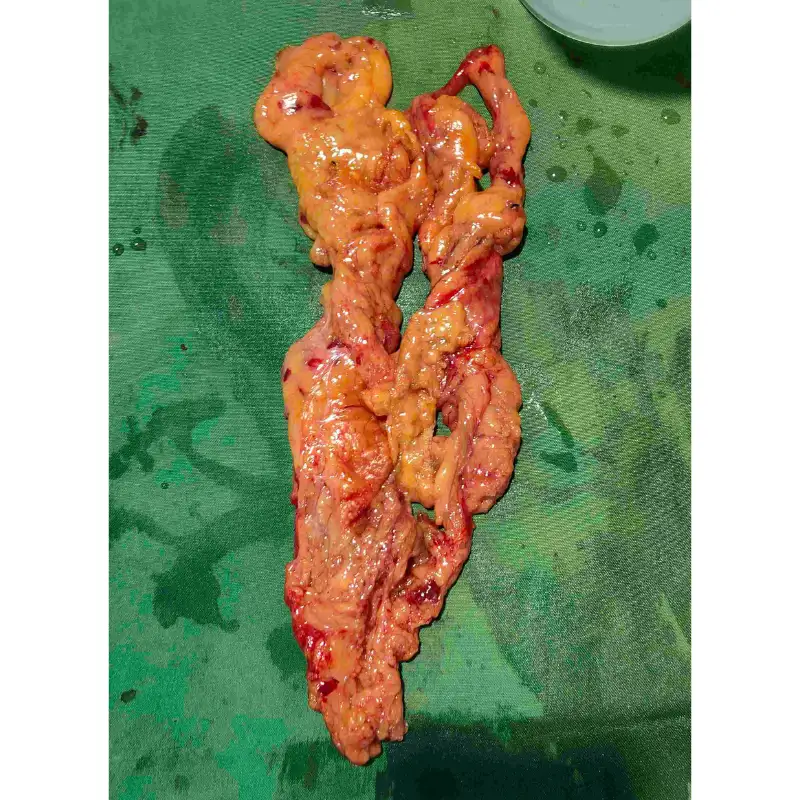
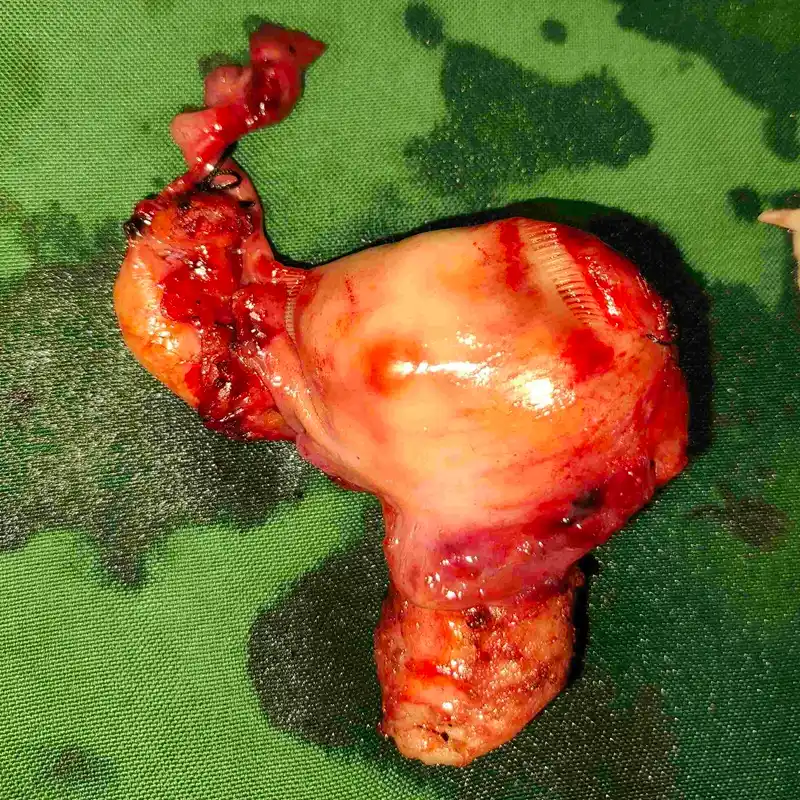
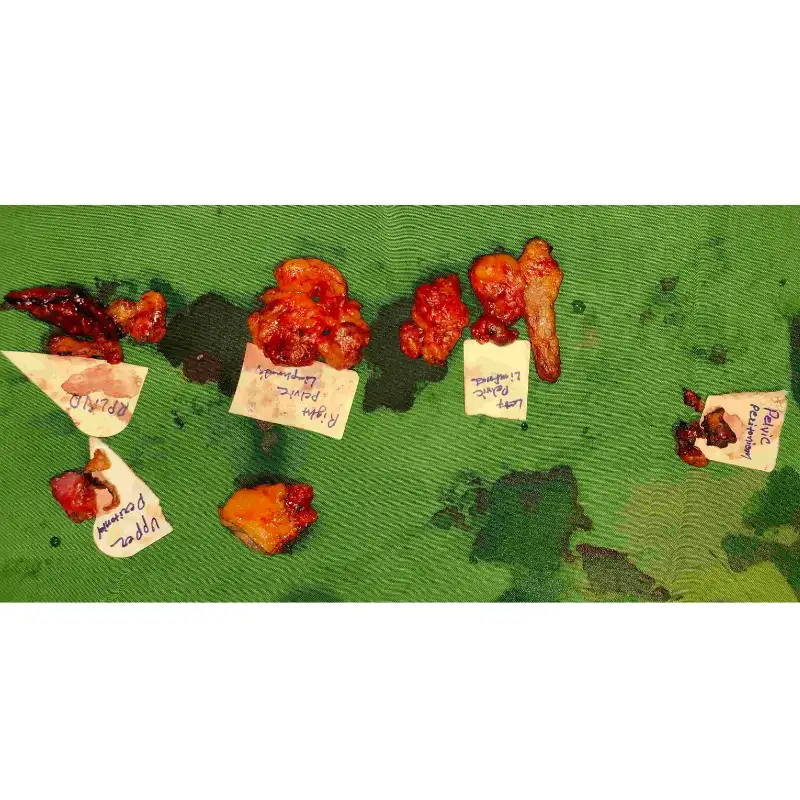
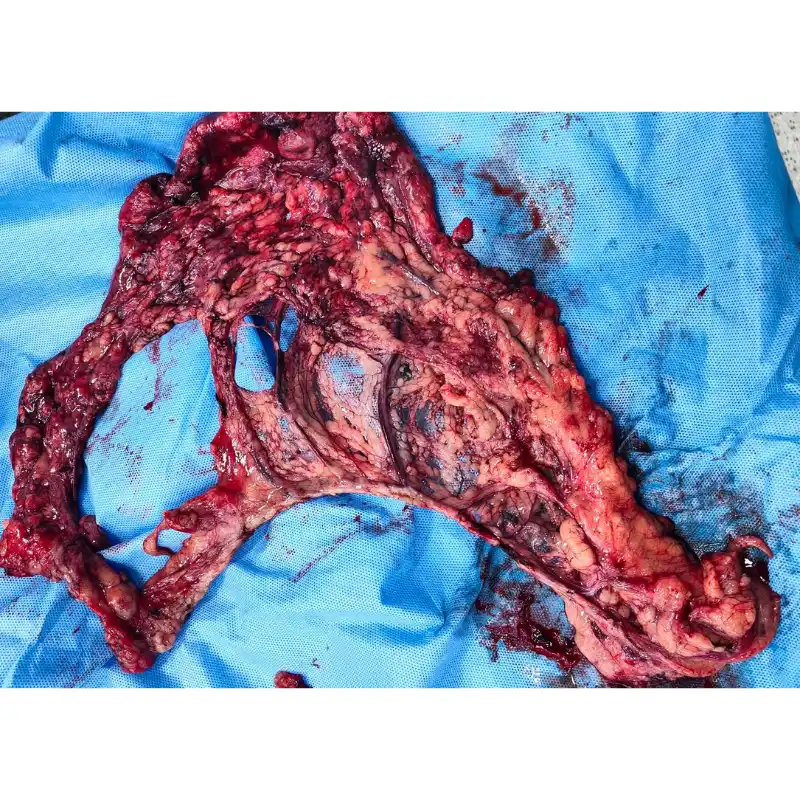
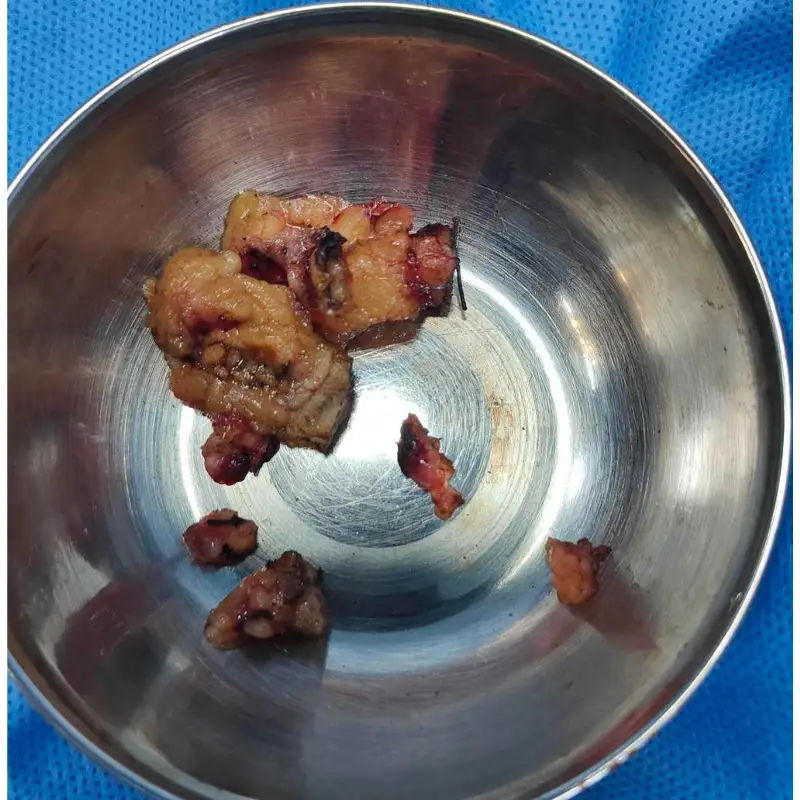
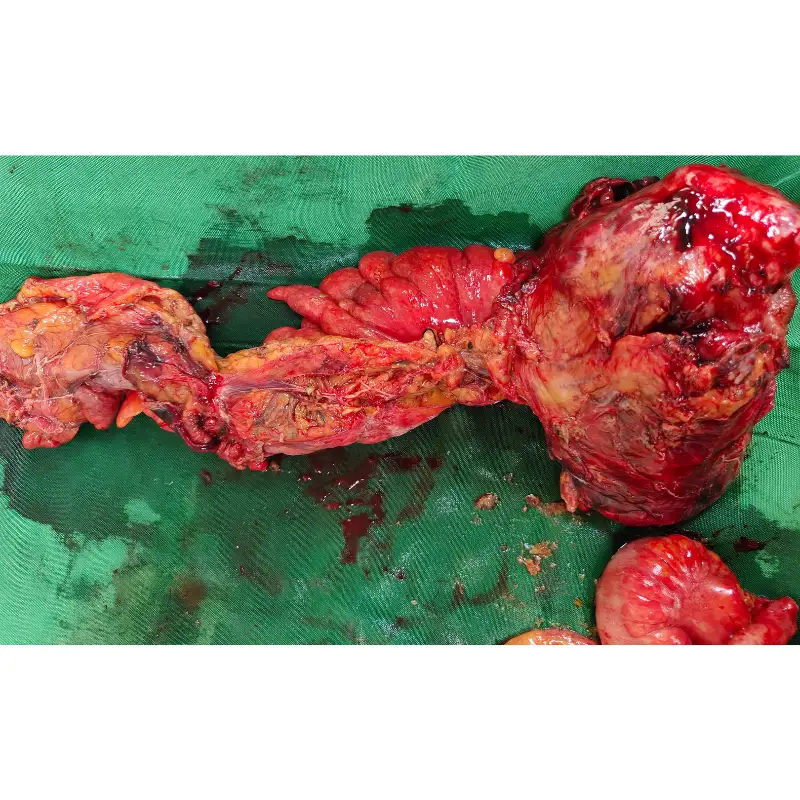
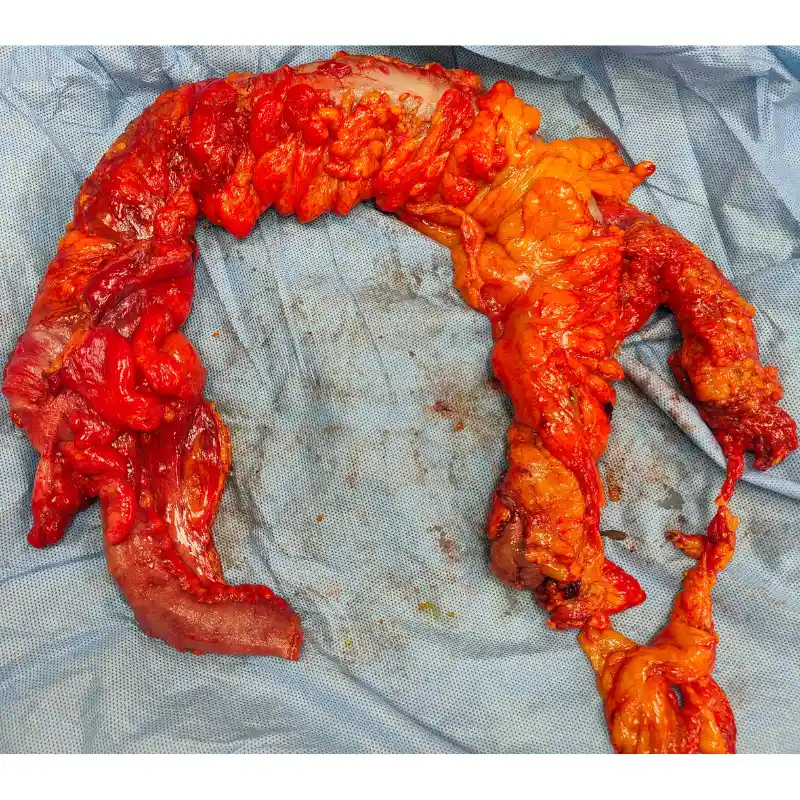
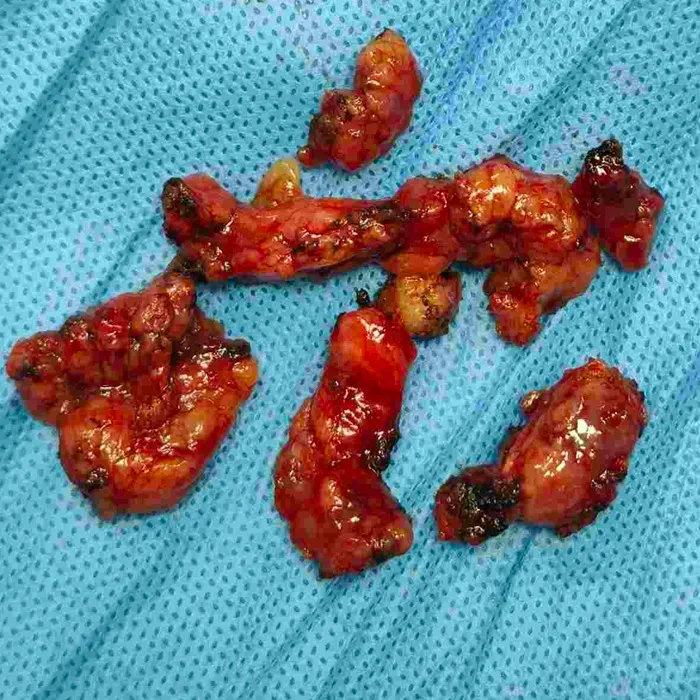
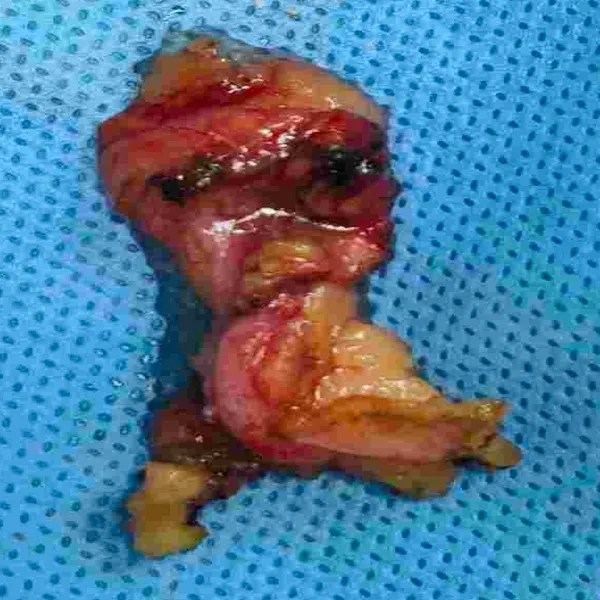
Ovary Cancer

Our Patient Stories & Surgical Journeys

Ovarian Cancer Case Summaries – Real Clinical Experience Across Every Stage of Ovarian Cancer

Explore Case Summaries By Clinical Situation

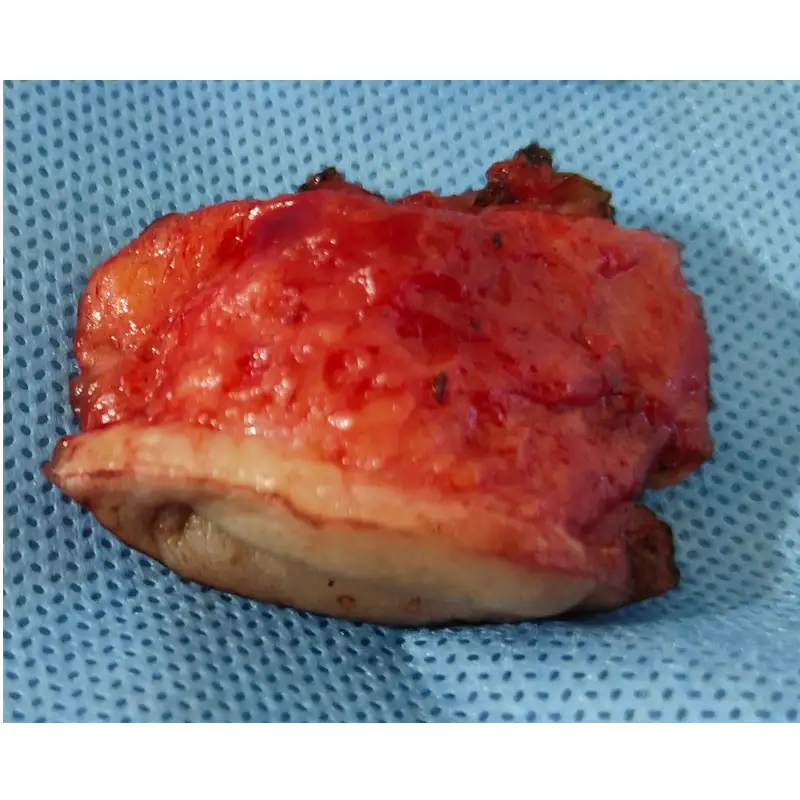
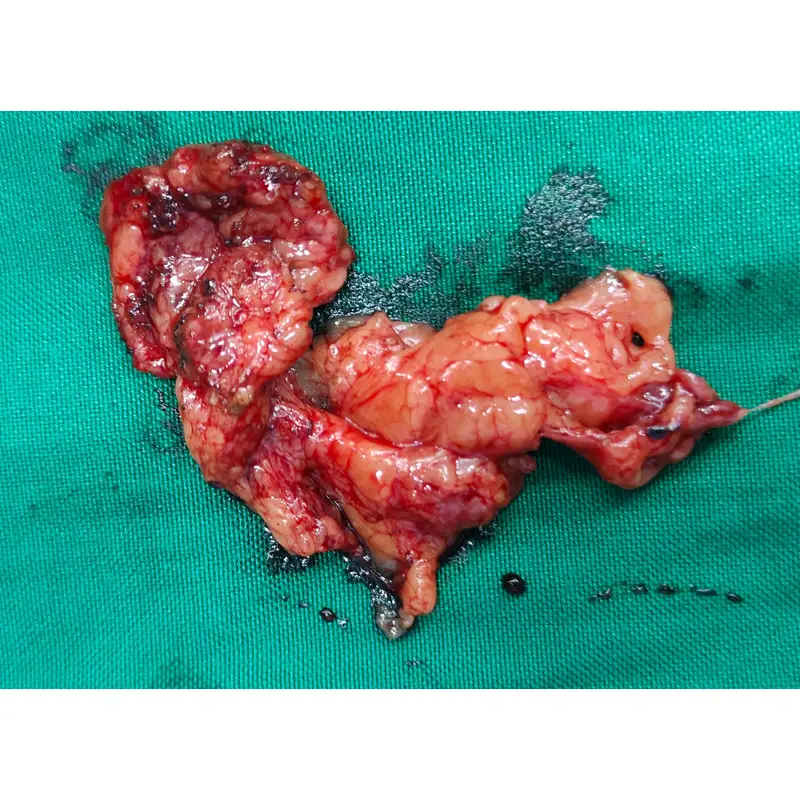
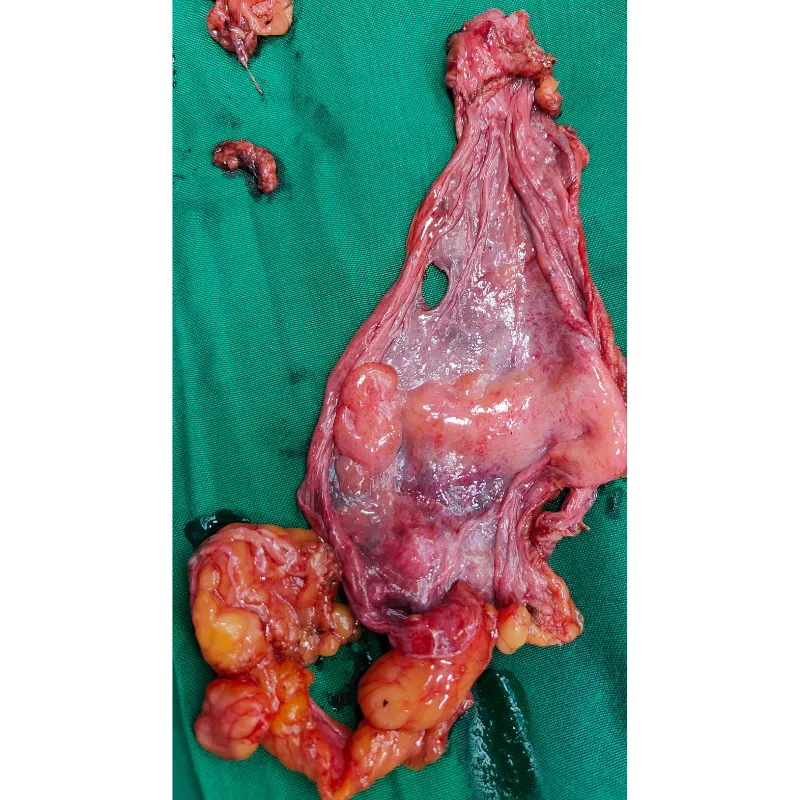
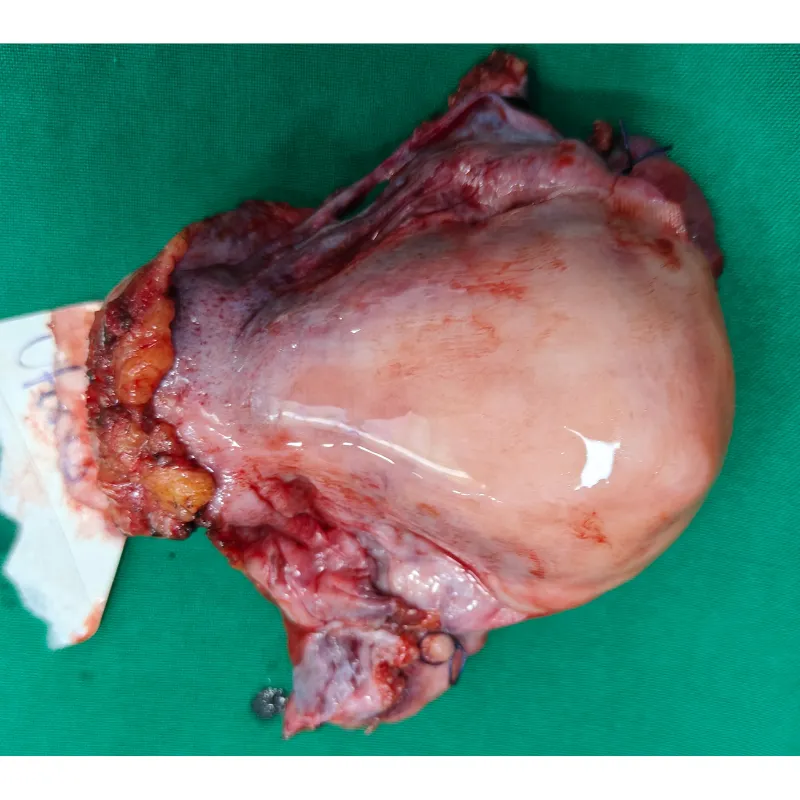
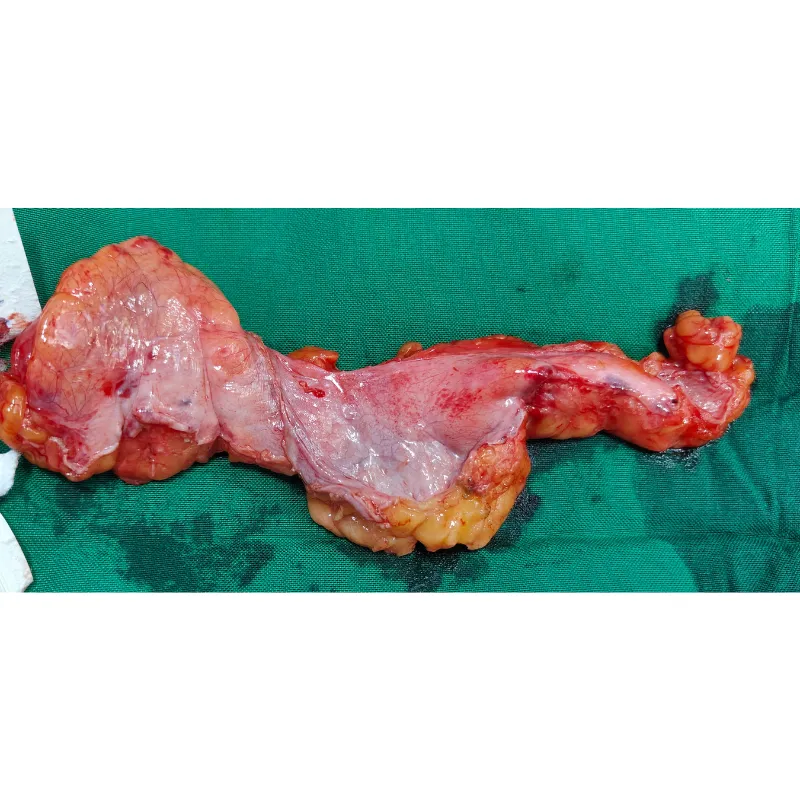
Minimally Invasive Adnexal Mass Resection for Complex Benign Ovarian Cystic Lesion

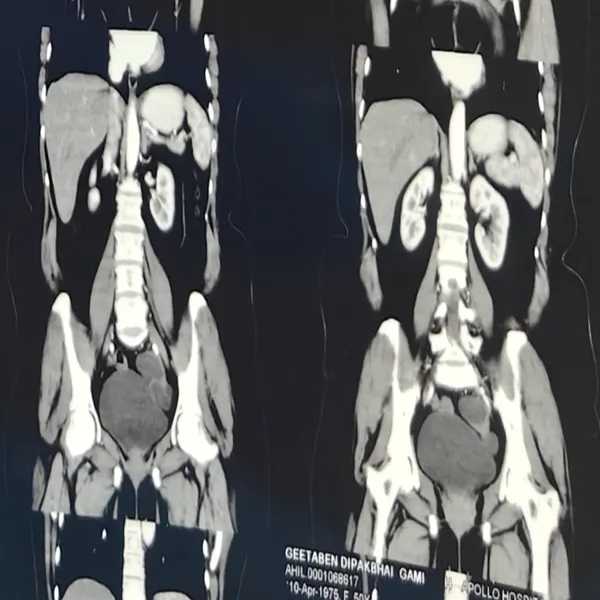
A 50-year-old female presented with acute abdominal pain stemming from a rapidly symptomatic, complex cystic lesion in the left adnexa. Imaging revealed a lobulated mass with thick septations and peripheral wall thickening, creating an urgent need for definitive surgical evaluation to rule out malignancy and relieve severe discomfort.

The Solution


⦿ Laparoscopic Adnexal Mass Resection

Dr. Swati Shah performed a highly precise, minimally invasive laparoscopic adnexal mass resection to address the complex ovarian lesion. The advanced procedure included meticulous adhesiolysis to carefully detach the mass from the sigmoid colon, ensuring the safe and complete removal of the affected tissues without compromising surrounding vital structures.

» Surgical Highlights & Precision


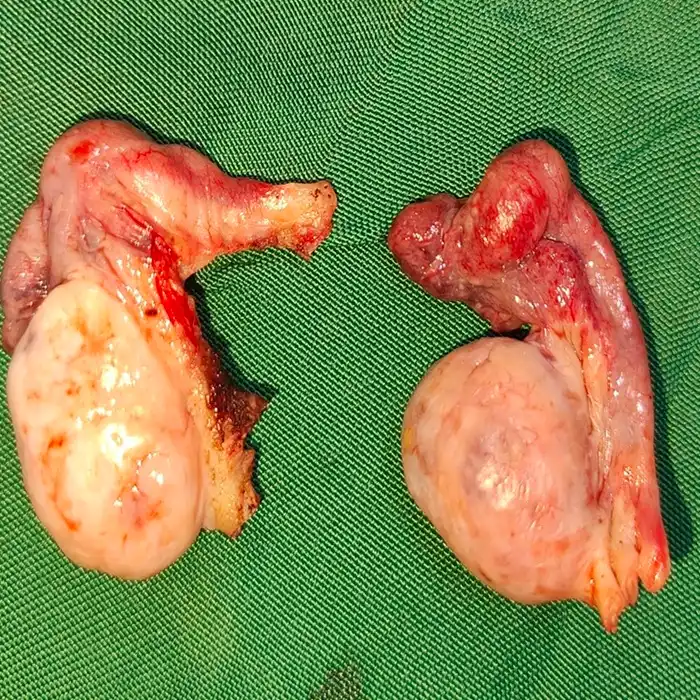
• Procedure: Laparoscopic bilateral oophorectomy and adnexal mass resection were executed with meticulous surgical precision.

• Complex Anatomy: Careful adhesiolysis successfully separated the adherent cystic mass away from the sigmoid colon.

• Patient Safety: Excellent hemostasis was maintained throughout the entire procedure, ensuring minimal intraoperative blood loss.

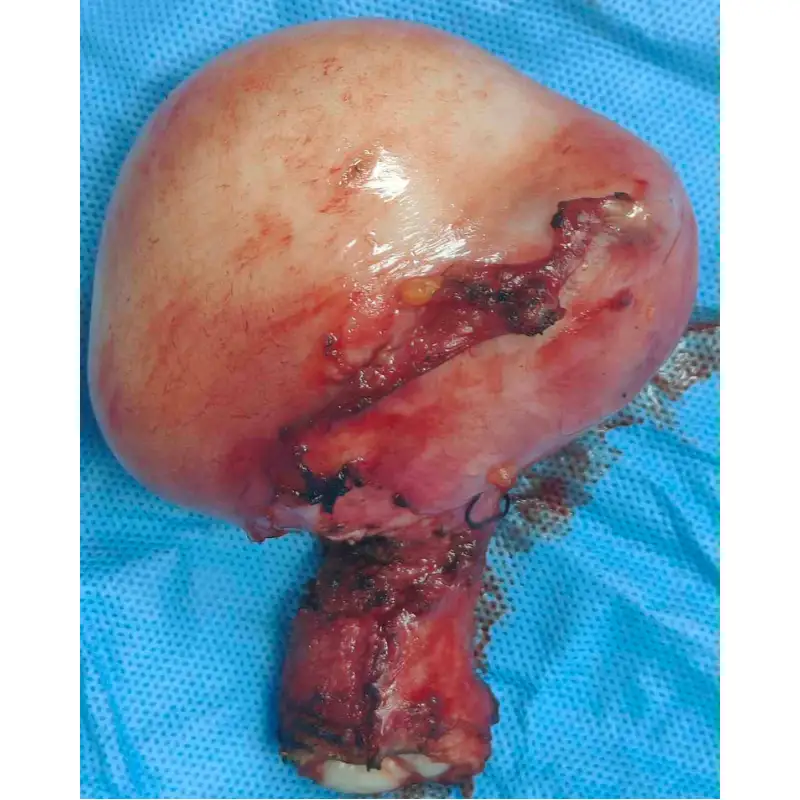
• Pathological Completeness: The excised tissues were safely retrieved and definitively confirmed as a benign serous cystadenofibroma.


» The Outcome


⦿ Rapid Recovery and Benign Confirmation

The patient experienced an exceptionally smooth and uneventful postoperative recovery, becoming fully ambulatory very shortly after the procedure. Final histopathology results brought immense relief, confirming a completely benign serous cystadenofibroma with absolutely no evidence of malignancy. She was discharged the following day with stable hemodynamics and excellent pain control.

» Dr. Swati Shah’s Insight


Utilizing advanced minimally invasive techniques for complex, adherent adnexal masses allows us to achieve complete resection while prioritizing patient safety. By safely navigating the surrounding pelvic anatomy, we ensured rapid recovery and effectively eliminated the patient's severe abdominal discomfort.

Exploratory Laparotomy And Complex Excision For A Suspicious Right Adnexal Mass

A 49-year-old female presented with severe lower abdominal pain persisting for fifteen days, alongside an alarming heterogenous solid-cystic right pelvic mass. Imaging strongly suggested a neoplastic etiology with pelvic lymphadenopathy, necessitating highly urgent surgical intervention to rule out an aggressive ovarian malignancy.

The Solution


⦿ Comprehensive Exploratory Laparotomy

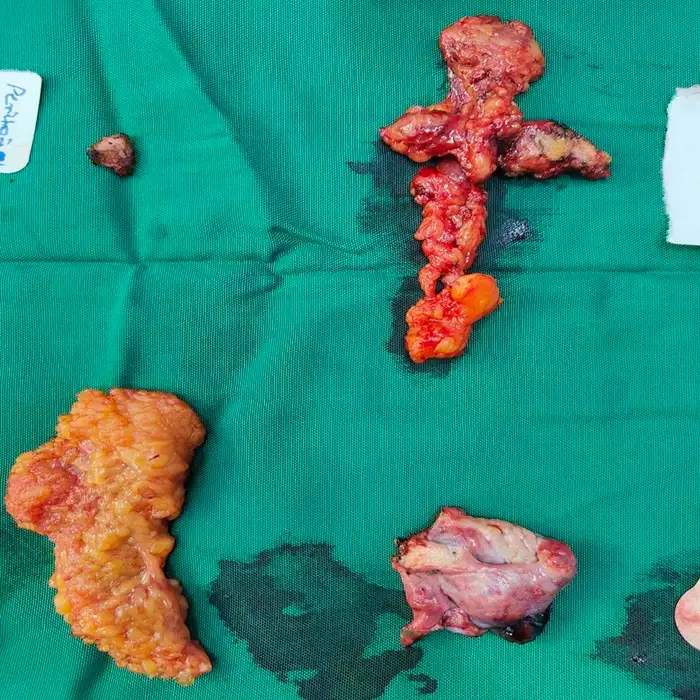
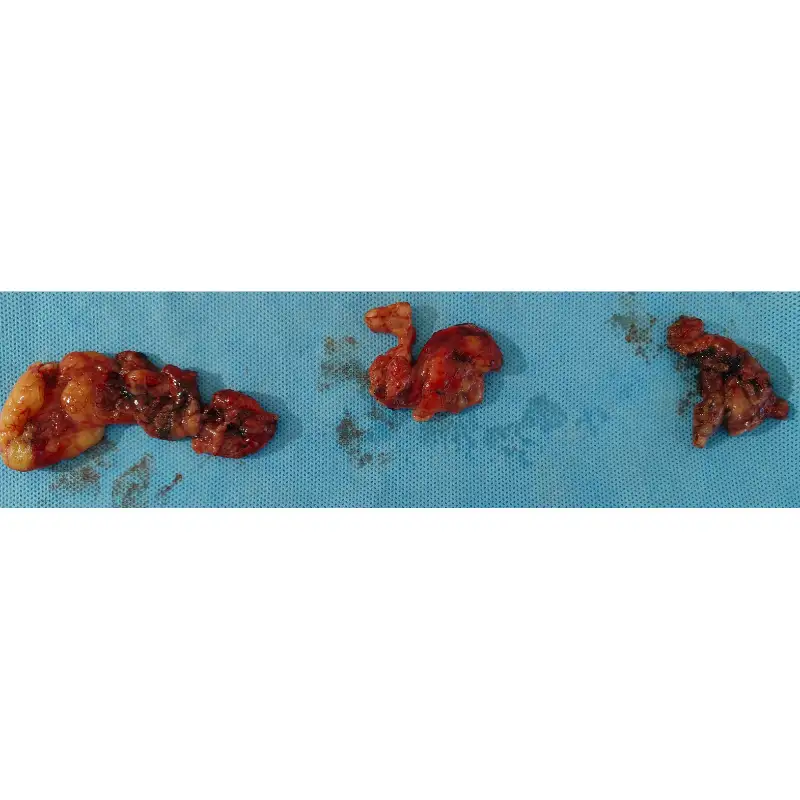
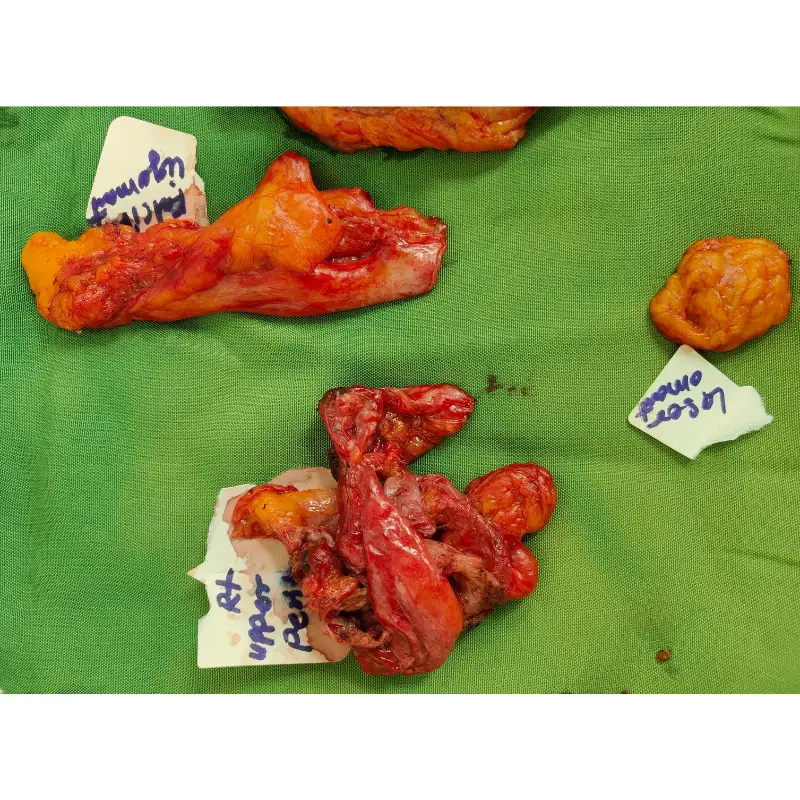
Dr. Swati Shah performed an exploratory laparotomy, right adnexal mass excision, left oophorectomy, appendicectomy, bilateral pelvic lymph node dissection, and omental biopsy. The team navigated complex adhesions, carefully separating the appendix from the tumor. This exceptional surgical precision ensured complete tissue removal and maximized patient safety.

» Surgical Highlights & Precision


• Procedure: An exploratory laparotomy with adnexal excision and appendicectomy was meticulously executed.

• Pelvic Lymph Nodes: Bilateral pelvic lymph node dissection yielded seventeen nodes for comprehensive pathological evaluation.

• Blood Loss: Superior hemostatic control resulted in an exceptionally minimal estimated blood loss of 100 ml.

• Complete Clearance: All suspicious masses and adherent structures were successfully excised without compromising surrounding tissues.


» The Outcome


⦿ Uneventful Recovery And Favorable Pathology

The patient experienced an entirely uneventful postoperative recovery and was discharged with stable hemodynamics. Final histopathology remarkably revealed xanthomatous salpingooophoritis and acute appendicitis, confirming absolutely no malignancy was present. The patient successfully regained ambulatory function and safely transitioned to a comfortable recovery at home.

» Dr. Swati Shah’s Insight


Navigating a highly suspicious pelvic mass with severe adhesions requires absolute surgical precision. By comprehensively excising the involved tissues, we achieved a definitive benign diagnosis, securing the patient's excellent long-term health.

Prophylactic Laparoscopic Bilateral Salpingo-Oophorectomy For High-Risk BRCA1 Positive Breast Cancer

A 37-year-old female patient presented with aggressively treated left invasive ductal carcinoma and a strong genetic predisposition due to a BRCA1 positive mutation. Because of her heightened risk for ovarian malignancy, an urgent prophylactic surgical intervention was required to prevent future gynecological cancers while she recovered.

The Solution


⦿ Laparoscopic Risk-Reducing Bilateral Salpingo-Oophorectomy

Dr. Swati Shah performed a highly precise laparoscopic bilateral risk-reducing salpingo-oophorectomy to completely remove the ovaries and fallopian tubes. Using advanced minimally invasive visualization, the procedure was executed seamlessly alongside her breast surgeries to ensure maximum oncological safety and minimal additional physiological stress.

» Surgical Highlights & Precision


• Procedure Technique: A minimally invasive laparoscopic four-port approach was utilized for optimal visualization.

• Genetic Risk Mitigation: Both fallopian tubes and ovaries were successfully completely extracted to neutralize future BRCA1-related threats.

• Patient Safety: Excellent hemostasis was achieved throughout the rapid procedure with virtually zero significant intraoperative blood loss.

• Surgical Completeness: The high-risk adnexal tissues were fully resected and safely sent for comprehensive histopathological examination.


» The Outcome


⦿ Swift Recovery and Long-Term Protection

The patient experienced an exceptionally smooth and swift immediate postoperative recovery, becoming fully ambulatory shortly after the complex combined surgical interventions. She maintained highly stable hemodynamics, required minimal pain management, and exhibited clean, rapidly healing surgical incisions. Ultimately, she was safely discharged on a normal diet with complete protection against future ovarian malignancies.

» Dr. Swati Shah’s Insight


By integrating this minimally invasive prophylactic procedure into her primary surgical plan, we effectively neutralized her severe genetic risk for ovarian cancer. Our targeted laparoscopic approach ensured rapid recovery, ultimately granting her the best possible foundation for long-term survival and peace of mind.

Robotic Resection and Comprehensive Staging Surgery for Granulosa Cell Ovarian Tumor

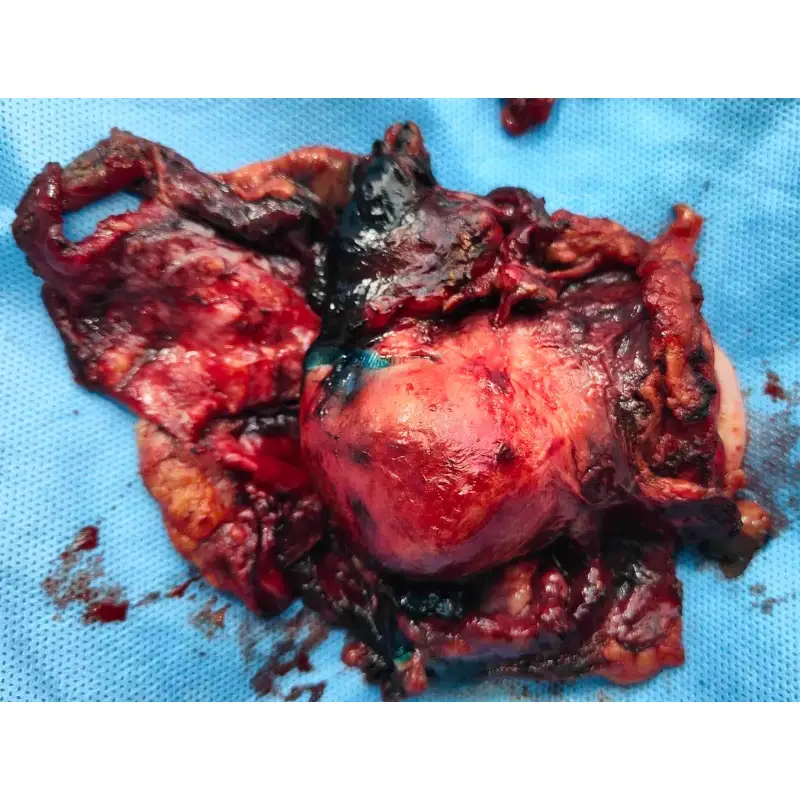
A 41-year-old female presented with abnormal bleeding and a suspicious twelve-centimeter solid-cystic right ovarian mass causing pelvic compression. Given the mass’s rapid enhancement and significant size, malignant transformation was highly suspected, necessitating swift and highly precise surgical intervention to prevent further spread.

The Solution


⦿ Robotic Mass Resection and Real-Time Staging

Dr. Swati Shah performed an advanced robotic right adnexal mass resection, utilizing an immediate frozen section to guide real-time surgical decisions. Following this, comprehensive staging was meticulously executed, encompassing a hysterectomy, salpingo-oophorectomy, omentectomy, and extensive sentinel pelvic and retroperitoneal lymph node dissections.

» Surgical Highlights & Precision


• Procedure: Advanced robotic resection followed by complete staging provided unparalleled anatomical visualization and precise dissection.

• Lymph Node Clearance: Twenty-nine sentinel and regional lymph nodes were meticulously mapped and excised with complete accuracy.

• Surgical Safety: The minimally invasive robotic approach ensured highly controlled hemostasis with minimal intraoperative blood loss.

• Cancer Clearance: Complete tumor extraction was achieved without spillage, securing negative margins across all resected tissues.


» The Outcome


⦿ Cancer-Free and Rapid Recovery

The patient experienced an exceptionally rapid recovery, achieving early ambulation and hemodynamic stability shortly after surgery. Final histopathology confirmed an adult-type granulosa cell tumor confined to the ovary, with all twenty-nine lymph nodes completely negative for metastatic spread. The patient was safely discharged with excellent functional status and zero evidence of residual disease.

» Dr. Swati Shah’s Insight


By utilizing advanced robotic technology and immediate frozen section analysis, we accurately tailored the staging surgery in real time. This highly precise approach ensured comprehensive cancer clearance while maintaining a swift, smooth recovery for our patient.


Comprehensive Radical Ovary Surgery for High-Grade Endometrioid Adenocarcinoma

A 60-year-old female presented with a complex adnexal mass discovered during a routine ultrasound. Evaluation revealed a 6×4 cm tumor densely adhered to the peritoneum, uterus, and rectum, alongside significantly enlarged pelvic lymph nodes. This aggressive high-grade endometrioid adenocarcinoma necessitated prompt, highly complex surgical intervention.

The Solution


⦿ Radical Ovary Surgery with Extensive Lymphadenectomy

Dr. Swati Shah performed a meticulous radical ovary surgery, encompassing a total abdominal hysterectomy, bilateral salpingo-oophorectomy, and omentectomy. Precise bilateral pelvic and retroperitoneal lymph node dissections were flawlessly executed to address the severe organ adhesions. This advanced surgical approach successfully navigated the complex pelvic anatomy.

» Surgical Highlights & Precision


• Procedure: Dr. Shah executed a radical ovary surgery utilizing advanced exploration and resection techniques.

• Complex Anatomy: The intricate resection successfully detached a massive tumor from the uterus and rectum.

• Patient Safety: Rigorous hemostasis and careful dissection ensured minimal blood loss throughout the complex operation.

• Cancer Clearance: Comprehensive tissue and node removal provided an optimal foundation for long-term oncological control.


» The Outcome


⦿ Rapid Recovery and Complete Clearance

The patient experienced an exceptionally smooth postoperative recovery, remaining entirely hemodynamically stable and ambulatory. Final histopathology confirmed a high-grade endometrioid adenocarcinoma with squamous differentiation, successfully cleared from the primary site. She was discharged safely on the sixth postoperative day with excellent pain control and a clean surgical wound.

» Dr. Swati Shah’s Insight


Navigating such severe pelvic adhesions requires absolute surgical precision and a deeply comprehensive oncological strategy. By thoroughly addressing the primary tumor and surrounding nodal basins, we successfully minimized residual disease. This aggressive, meticulous approach grants our patient the absolute best chance at long-term survival.

Comprehensive Cytoreductive Surgery for Massive Bilateral Ovarian Borderline Tumors with Uterine Preservation

A 27-year-old female presented with severe abdominal pain and heaviness due to massive, bilateral multi-loculated cystic ovarian tumors. The primary clinical challenge was managing the tremendous size of these borderline tumors while carefully addressing the suspected malignant spread across the pelvic region.

The Solution


⦿ Precision Cytoreductive Surgery (CRS)

Dr. Swati Shah performed an extensive Cytoreductive Surgery, encompassing bilateral adnexal mass resection , pelvic peritonectomy , omentectomy , appendectomy , and comprehensive lymph node dissections. This meticulous surgical approach was guided by intraoperative frozen sections , ensuring precise tumor removal while safely preserving the patient's uterus.

» Surgical Highlights & Precision


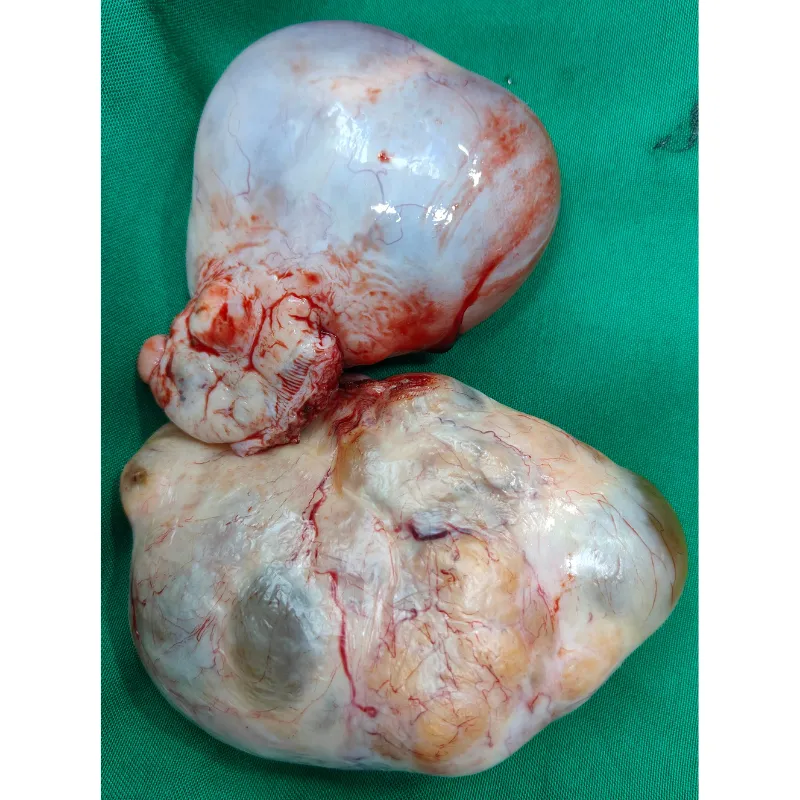
• Surgical Procedure: Cytoreductive surgery successfully removed massive bilateral adnexal masses measuring up to thirty-one centimeters.

• Extensive Lymphadenectomy: Thirty regional pelvic and retroperitoneal lymph nodes were meticulously dissected and thoroughly evaluated.

• Minimal Blood Loss: Exceptional hemostasis was maintained throughout the extensive abdominal procedure with only 100 cc lost.

• Fertility Preservation: Precise intraoperative frozen section analysis allowed for the safe preservation of the uterus.


» The Outcome


⦿ Disease-Free Survival and Uterine Preservation

Postoperative recovery was remarkably uneventful, allowing the patient to become fully ambulatory and hemodynamically stable. Final histopathology confirmed bilateral serous borderline tumors with zero metastasis across all thirty dissected lymph nodes. The patient was successfully discharged after seven days with excellent pain control and preserved fertility.

» Dr. Swati Shah’s Insight


By employing a highly precise cytoreductive approach, we successfully eliminated the massive borderline tumors while securing the young patient's fertility. Our commitment to meticulous surgical resection ensures the absolute best chance at long-term disease-free survival and exceptional quality of life.

Advanced Cytoreductive Surgery for Stage IIIC High-Grade Serous Ovarian Carcinoma

A 45-year-old female presented with a highly aggressive diagnosis of high-grade serous ovarian carcinoma following a prior abdominal hysterectomy. Recent medical imaging revealed complex, metabolically active nodularities aggressively spreading along the vaginal vault and right iliac vessels, demanding immediate and precise surgical intervention.

The Solution


⦿ Extensive Cytoreductive Surgery (CRS)

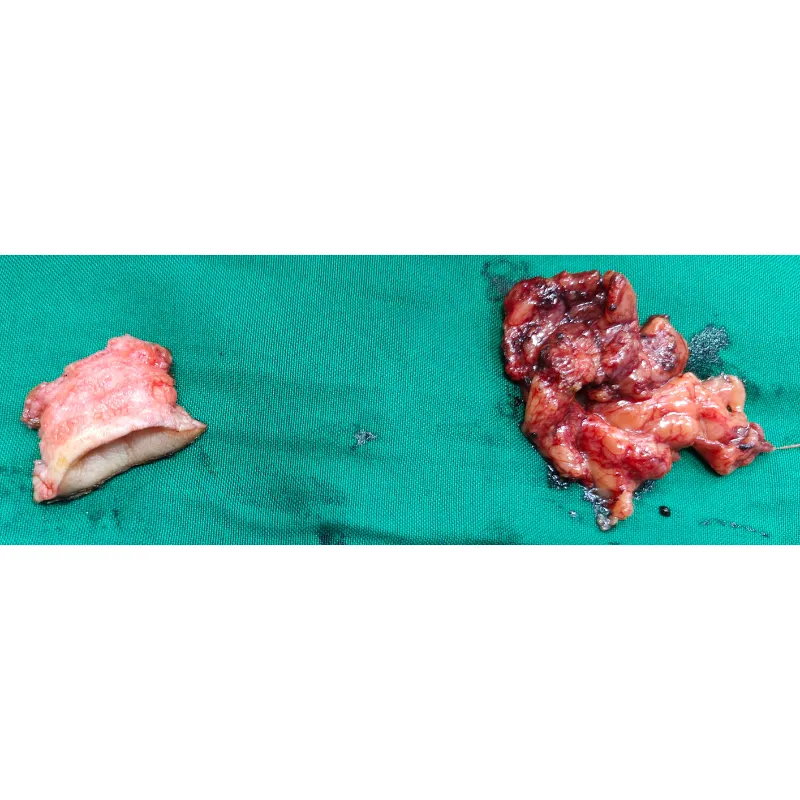
Dr. Swati Shah performed an extensive cytoreductive surgery involving the targeted removal of complex pelvic deposits and bilateral lymph node dissections. Her meticulous surgical approach ensured the precise eradication of widespread peritoneal and mesenteric tumors, maximizing the chance of complete oncological clearance.

» Surgical Highlights & Precision


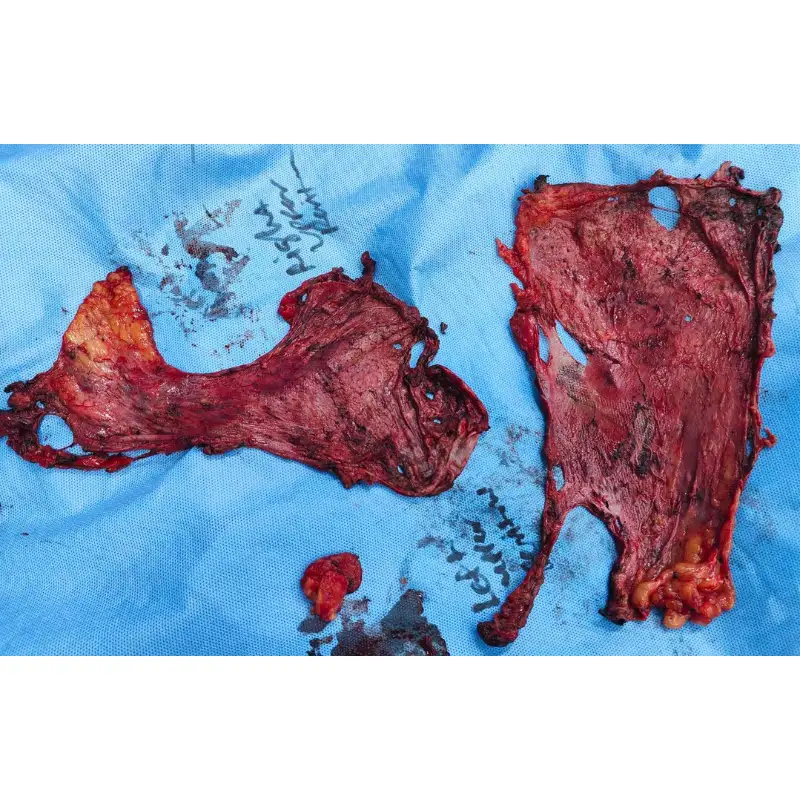
• Extensive Procedure: Comprehensive cytoreductive surgery included a total omentectomy and targeted multivisceral peritonectomies.

• Lymph Node Dissection: Thirty pelvic and retroperitoneal lymph nodes were meticulously excised and successfully evaluated.

• Safety Profile: The intricate procedure was safely executed with minimal blood loss of exactly 400 milliliters.

• Tumor Clearance: Advanced surgical precision successfully eliminated all visible macroscopic disease across the complex abdominal cavity.


» The Outcome


⦿ Uneventful Recovery and Exceptional Clearance

The patient experienced an entirely uneventful recovery and became fully ambulatory shortly after the complex operation. Final histopathology confirmed that all thirty harvested regional lymph nodes were completely negative for metastatic tumor cells. She was safely discharged with remarkably stable hemodynamics, ready to seamlessly continue her overall oncological care.

» Dr. Swati Shah’s Insight


By aggressively pursuing complete cytoreductive surgery for this advanced Stage IIIC carcinoma, we successfully removed all visible disease. This meticulous surgical clearance gives our patient the absolute best possible foundation for achieving long-term survival and overall cure.

Advanced Cytoreductive Surgery For High-Grade Stage IIIc Ovarian Carcinoma

A 63-year-old female presented with abdominal pain, low-grade fever, and a highly elevated CA-125 level. Diagnostic evaluations and a prior biopsy confirmed aggressive Stage IIIc high-grade serous ovarian carcinoma. The complexity involved extensive tumor deposits spreading across the pelvic cavity, peritoneum, and omentum.

The Solution


⦿ Comprehensive Cytoreductive Surgery (CRS)

Dr. Swati Shah performed an extensive Cytoreductive Surgery (CRS), which included a total abdominal hysterectomy, bilateral salpingo-oophorectomy, and multi-quadrant peritonectomies. This highly precise intervention also involved comprehensive retroperitoneal and bilateral pelvic lymph node dissections alongside a supracolic omentectomy.

» Surgical Highlights & Precision


• Procedure: Advanced Cytoreductive Surgery (CRS) was successfully executed to address widespread peritoneal and pelvic malignancy.

• Lymph Node Dissection: A rigorous clearance was achieved with fifty-four regional lymph nodes meticulously examined during pathology.

• Surgical Safety: Blood loss was effectively minimized to 600 ml, ensuring the patient maintained stable hemodynamics.

• Cancer Clearance: Maximum tumor debulking was achieved despite extensive multiorgan deposits and complex upper abdominal involvement.


» The Outcome


⦿ Stable Recovery and Extensive Tumor Debulking

The patient demonstrated an uneventful postoperative recovery, maintaining stable hemodynamics and becoming fully ambulatory before discharge. Final pathology confirmed a pT3c, pN1a, pM1a classification with successful surgical excision of dominant mass deposits. She was discharged safely on a customized soft diet with excellent pain control.

» Dr. Swati Shah’s Insight


Tackling advanced Stage IIIc ovarian carcinoma requires meticulous surgical precision and a highly comprehensive cytoreductive approach. By aggressively clearing the visible peritoneal and nodal disease, we provided this patient with the strongest possible foundation for long-term survival.

Advanced Cytoreductive Surgery and HIPEC for Stage IV High-Grade Ovarian Carcinoma

A 54-year-old female presented with severe lower abdominal pain and a complex pelvic mass. Comprehensive evaluations revealed FIGO Stage IV high-grade serous ovarian carcinoma with extensive tumor deposits across the colon and peritoneum. This aggressive spread demanded immediate, complex surgical intervention for optimal survival.

The Solution


⦿ Comprehensive Cytoreduction and HIPEC

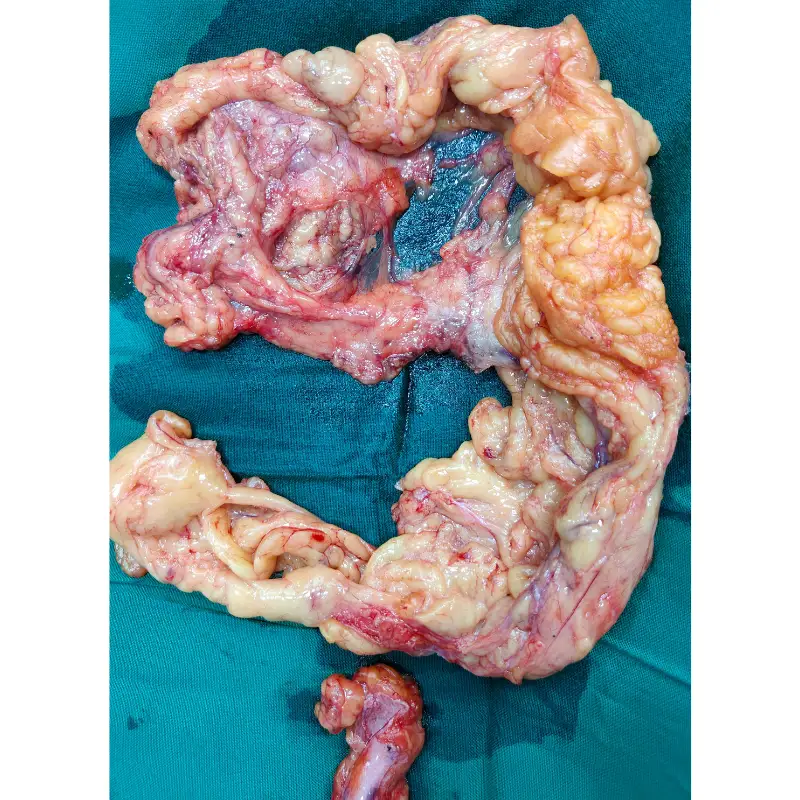
Dr. Swati Shah performed an extensive Cytoreductive Surgery (CRS) combined with Hyperthermic Intraperitoneal Chemotherapy (HIPEC). The highly intricate procedure included a subtotal colectomy, extensive peritonectomies, and bilateral lymph node dissections. Advanced surgical precision ensured maximal tumor clearance while meticulously safeguarding vital urinary and pelvic structures.

» Surgical Highlights & Precision


• Procedure: Cytoreductive surgery and HIPEC comprehensively eradicated extensive malignant intra-abdominal deposits.

• Extensive Dissection: Bilateral pelvic and retroperitoneal lymph nodes were meticulously cleared using advanced surgical techniques.

• Patient Safety: Vital structures were strictly safeguarded, effectively managing blood loss during this massive multi-organ resection.

• Cancer Clearance: Complete macroscopic tumor cytoreduction was successfully achieved across the entire abdominopelvic cavity.


» The Outcome


⦿ Uneventful Recovery and Stable Health

Following this extensive cytoreductive surgery, the patient experienced a remarkably uneventful postoperative recovery phase. She was successfully extubated, regained healthy independent mobility, and maintained excellent hemodynamic stability throughout her hospital stay. Final evaluations confirmed the successful removal of the malignancy, allowing for a confident and highly stable discharge on postoperative day eight.

» Dr. Swati Shah’s Insight


Managing Stage IV ovarian carcinoma requires aggressive and meticulous cytoreduction followed immediately by targeted HIPEC. By integrating advanced surgical techniques, we achieved complete macroscopic tumor clearance, providing this patient with an exceptionally strong foundation for long-term survival and renewed quality of life.

Advanced Interval Cytoreductive Surgery and HIPEC for Stage IIIC Ovarian Carcinoma

A 35-year-old female patient presented with severe lower abdominal pain, rapid distention, and notable weight loss. Thorough evaluations revealed an aggressive, BRCA1-positive, stage IIIc high-grade serous ovarian carcinoma with significant pelvic involvement. Following three cycles of neoadjuvant chemotherapy, urgent and comprehensive surgical intervention was critical.

The Solution


⦿ Interval Cytoreductive Surgery with HIPEC

Dr. Swati Shah performed an extensive interval cytoreductive surgery alongside Hyperthermic Intraperitoneal Chemotherapy (HIPEC). This meticulous procedure included an exploratory laparotomy, total abdominal hysterectomy, complete peritonectomy, and thorough lymph node dissections to eradicate visible disease. Targeted heated chemotherapy was then circulated to destroy remaining microscopic cancer cells.

» Surgical Highlights & Precision


• Comprehensive Cytoreduction: The surgical team executed a precise hysterectomy, complete omentectomy, and bilateral peritonectomies.

• Extensive Lymphadenectomy: Thorough bilateral pelvic and retroperitoneal lymph node dissections successfully removed numerous regional nodes.

• Controlled Hemodynamics: Despite the extensive abdominal excisions, overall intraoperative blood loss was limited to 400 milliliters.

• Targeted HIPEC Therapy: Heated Cisplatin chemotherapy was effectively administered at 42 degrees Celsius for ninety minutes.


» The Outcome


⦿ Hemodynamic Stability and Successful Recovery

The patient was successfully extubated and immediately shifted to the intensive care unit in a hemodynamically stable condition. Final pathology confirmed a moderate response to chemotherapy, with successful clearance of the right pelvic and retroperitoneal lymph nodes. She achieved an uneventful recovery and was discharged fully ambulatory with well-controlled pain.

» Dr. Swati Shah’s Insight


By combining meticulous interval cytoreduction with targeted HIPEC therapy, we precisely addressed this advanced presentation of ovarian carcinoma. This comprehensive surgical strategy ensures maximum disease clearance, ultimately giving our patient the greatest possible chance at a definitive cure and long-term survival.

Advanced Secondary Cytoreductive Surgery and Splenectomy for Recurrent Ovarian Carcinoma

A sixty-year-old female presented with a highly complex recurrence of stage IIIc ovarian cancer following previous treatments. Advanced imaging revealed challenging metastatic nodules deeply infiltrating the splenic parenchyma and the delicate infrapyloric region. This aggressive recurrence demanded immediate and highly precise surgical intervention.

The Solution


⦿ Precision Cytoreduction and Splenectomy

Dr. Swati Shah performed an advanced secondary cytoreductive surgery, carefully executing a complex splenectomy and targeted infrapyloric nodule excision. Utilizing meticulous dissection techniques in the highly vascular splenic hilum, the team ensured the precise removal of visible metastatic disease.

» Surgical Highlights & Precision


• Advanced Cytoreduction: Secondary cytoreductive surgery and splenectomy were flawlessly executed to effectively target the recurring disease.

• Complex Anatomical Dissection: The delicate splenic hilum and surrounding highly vascular tissues were seamlessly and perfectly navigated.

• Patient Safety: Hemostasis was thoroughly achieved, ensuring absolute minimal blood loss and maintaining perfect hemodynamic stability.

• Oncological Clearance: Both the spleen and the targeted infrapyloric metastatic nodules were successfully and completely excised.


» The Outcome


⦿ Successful Recovery and Favorable Pathology

The patient experienced an exceptionally smooth postoperative recovery, becoming fully ambulatory very shortly after the highly complex operation. Comprehensive final histopathology reports quickly confirmed the successful removal of the metastatic ovarian carcinoma from the spleen and the infrapyloric nodule. She was discharged home safely with perfectly stable hemodynamics and optimally controlled postoperative pain.

» Dr. Swati Shah’s Insight


Tackling recurrent ovarian cancer requires absolute surgical precision and a deeply strategic anatomical approach. By meticulously performing this secondary cytoreduction, we safely eliminated the metastatic burden and gave her the strongest possible chance for extended survival.

Secondary Cytoreductive Surgery And Retroperitoneal Lymph Node Dissection For Recurrent Ovarian Carcinoma

A 58-year-old female patient presented with recurrent high-grade serous carcinoma of the ovary following prior surgeries and chemotherapy cycles. The clinical challenge involved navigating extensive surgical adhesions and addressing suspicious retroperitoneal lymph nodes requiring immediate and complex intervention.

The Solution


⦿ Secondary CRS With RPLND

Dr. Swati Shah performed an advanced secondary cytoreductive surgery combined with a comprehensive retroperitoneal lymph node dissection. This meticulous procedure included complex adhesiolysis to free adherent bowel loops and precise excision of targeted retroperitoneal nodes, ensuring optimal cytoreduction.

» Surgical Highlights & Precision


• Procedure: A highly precise secondary cytoreductive surgery with retroperitoneal lymph node dissection was flawlessly executed.

• Lymph Node Dissection: Thirteen retroperitoneal lymph nodes were meticulously excised, successfully identifying four positive metastatic deposits.

• Safety & Blood Loss: Optimal patient safety was maintained, limiting total operative blood loss to just 100 ml.

• Cancer Clearance: The targeted approach achieved comprehensive removal of the affected retroperitoneal and peritoneal disease sites.


» The Outcome


⦿ Stable Recovery And Definitive Pathology

The patient demonstrated an excellent immediate recovery, becoming fully ambulatory with stable hemodynamics shortly after surgery. Final histopathology confirmed metastatic high-grade serous carcinoma in four of the thirteen excised retroperitoneal lymph nodes, without extranodal extension. She was safely discharged with controlled pain and a normal diet.

» Dr. Swati Shah’s Insight


Successfully navigating extensive adhesions allowed me to perform a safe and highly targeted cytoreduction. By completely excising the recurrent metastatic nodes, we provided the best possible foundation for her continued long-term oncological management and survival.

When Should You Explore These Case Summaries?

These case summaries may be particularly helpful if you have:

Key Take-home Message

No two ovarian cancer patients are identical. The appropriate treatment depends on the stage of disease, imaging findings, tumour biology, overall health and previous treatment. These representative case summaries demonstrate how management is tailored to each individual patient.
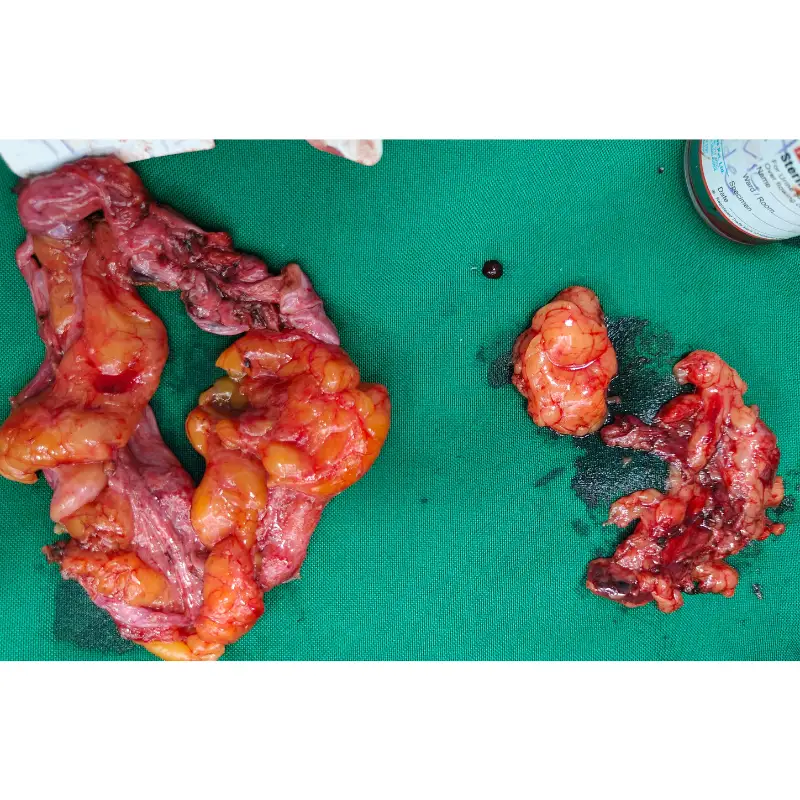
Find Cases Similar to Yours

Search case summaries based on your diagnosis, ultrasound, CT, MRI, PET-CT findings or your doctor’s advice—whether you have a complex ovarian tumour, early ovarian cancer, advanced disease, HIPEC or recurrent ovarian cancer.

From Ovarian Cyst to Recurrent Cancer

Explore the complete spectrum of ovarian disease—from benign and complex ovarian tumours to Stage I cancer, advanced ovarian cancer, CRS + HIPEC and recurrent ovarian cancer—all in one place.

Real Clinical Experience

These representative case summaries demonstrate individualized treatment planning based on disease extent, imaging findings, operative complexity and multidisciplinary decision-making across a wide range of ovarian cancer scenarios.

Looking for a Similar Situation?

Whether your report mentions a complex adnexal mass, raised CA-125, papillary projections, Stage III ovarian cancer, omental caking, peritoneal carcinomatosis or recurrent disease, you can explore similar representative cases to better understand possible treatment approaches.

Make An Appointment!