


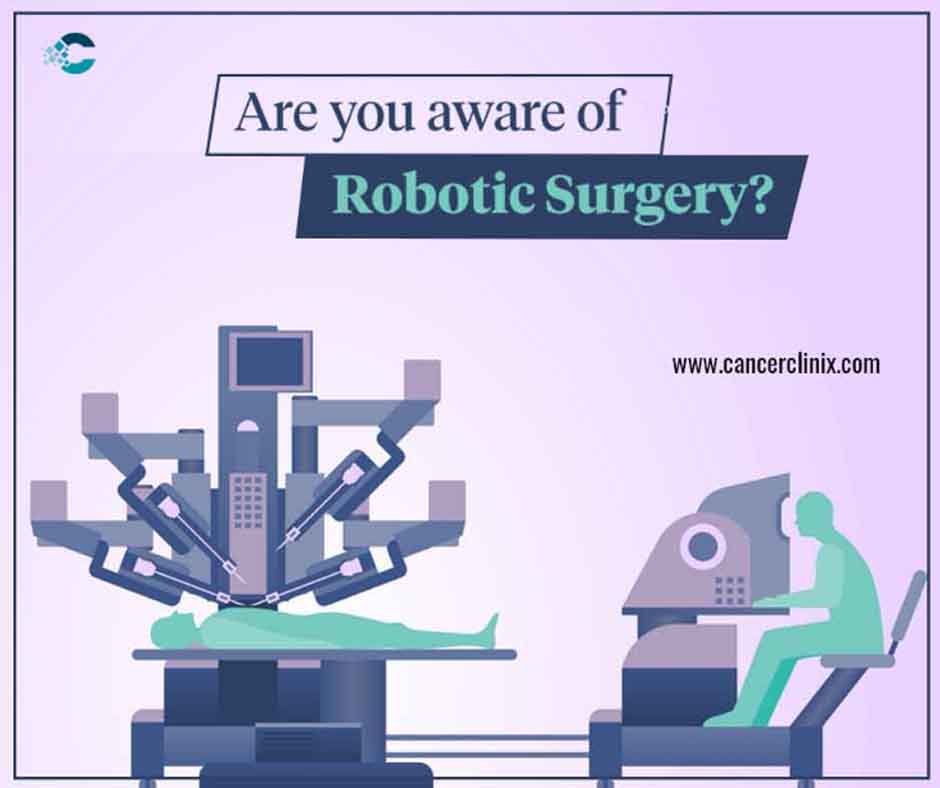
Are you aware of Robotic Surgery?
Many patients know that robots are now used in surgery, but fewer know how robotic assistance affects surgical safety, incision size and recovery.
Assessing Awareness: What Patients Think vs. Clinical Reality
Key facts that often surprise patients:
- Awareness of Control: Many patients believe the robotic system functions autonomously. True awareness means understanding that the system is 100% slave-to-master hardware—it cannot move, make a cut, or pass a needle without the expert surgeon actively moving their wrists at the control console.
- Awareness of Scale: Patients often worry that massive machinery means large interventions. In reality, the technology scales down human movements. A 1-centimeter movement of the surgeon’s hand can be precisely translated into a flawless 1-millimeter movement of the instrument tip inside the pelvis.
- Awareness of Vision: Most people assume a surgeon sees the same view as standard laparoscopy (a flat, 2D TV monitor). True robotic awareness highlights the 3D stereoscopic high-definition eyepiece, which provides depth perception and magnifies tissue structures up to ten times.
The Awareness Checklist: Is Robotic Surgery Right for You?
The clinical situations where a robotic approach is most often considered are listed below:
| Area of Evaluation | Standard Awareness | Advanced Surgical Reality |
| Complex Pelvic Anatomy | Believed to require a large open cut to see clearly. | The 360° wristed instruments maneuver easily around deep pelvic nerves and blood vessels through tiny entry points. |
| Cancer Staging Precision | Thought to be identical across all minimally invasive tools. | 10x magnification allows the oncology team to identify and biopsy microscopic tumor implants that flat screens miss. |
| Post-Operative Healing | Expectation of a month-long, painful bedrest. | Most patients experience an accelerated recovery, returning home in 24 to 48 hours and resuming normal daily life within 2 weeks. |
The Three Core Questions for Patients to Ask Their Oncologist
To turn this awareness page into an active resource, give your web visitors a set of functional questions to bring to their next consultation:
- “Am I a candidate for a robotic-assisted approach for my specific tumor type and stage?”
- “How does robotic surgery change my expected hospital stay and recovery timeline compared to an open incision?”
- “Does this technology allow for better preservation of my surrounding healthy pelvic organs and tissue structures?”
The Awareness Summary: Awareness is the first step toward better health outcomes. Understanding that robotic surgery combines the deep clinical judgment of an expert surgeon with the high-precision scaling of an advanced digital instrument empowers patients to make confident, forward-thinking choices for their treatment journey.
🔹For more information you can visit: https://bit.ly/335jgDl
#roboticsurgery #treatment #cancerawareness #cancer #cancerfree #healthcare #fightagainstcancer #drswatishah #cancerclinix #letsfightcancer #healthyliving #fitness #medical #science #surgery #surgeon #doctor #health #healthtip #stayhealthy #gujarat #ahmedabad
Get health updates from Dr Swati Shah on WhatsApp
Swasth Parivar: twice a month, practical advice on recovery, diet and warning signs. No advertising. Stop any time.
Your number is used for these updates and for the clinic to reach you. It is never sold or passed on. To stop, reply STOP on WhatsApp.