


Cytoreductive Surgery (CRS) for Ovarian Cancer
Complete Tumour Removal — Even in Advanced Disease
What is Cytoreductive Surgery (CRS)?
Cytoreductive surgery (CRS), also called debulking surgery, is a procedure aimed at: Removing all visible cancer from the abdomen This is the most important step in the treatment of ovarian cancer.Frequently asked questions
Who performs cytoreductive surgery for ovarian cancer in Ahmedabad?
Dr Swati Shah, MS, DrNB (Surgical Oncology), performs cytoreductive surgery for advanced ovarian cancer at Apollo Hospital, Bhat, Gandhinagar, and consults at Gota, Ahmedabad.
What is cytoreductive surgery?
Cytoreductive or debulking surgery removes all visible ovarian cancer from the abdomen, including deposits on the peritoneum, omentum, bowel and diaphragm, in one operation.
What does complete cytoreduction mean?
It means no visible tumour is left at the end of surgery, recorded as CC-0. Completeness of cytoreduction is the strongest surgical predictor of outcome in ovarian cancer.
What does cytoreductive surgery for ovarian cancer cost in India?
Ovarian cytoreduction or debulking surgery at Apollo Hospital, Bhat, Gandhinagar ranges from ₹3,50,000 to ₹5,00,000 depending on the extent of the resection.
Is primary or interval cytoreductive surgery better?
Primary surgery is preferred when complete removal looks achievable at the outset. When disease is too extensive, chemotherapy is given first and interval surgery follows.
Which patients are suitable for cytoreductive surgery?
Patients whose disease can be removed completely, who are fit for a long operation, and in whom imaging shows no unresectable liver, lung or distant spread.
Understanding Ovarian Cancer — A Surface Disease
Ovarian cancer behaves differently from many other cancers.
It spreads mainly along the peritoneal (abdominal) surfaces, rather than deeply invading organs initially.
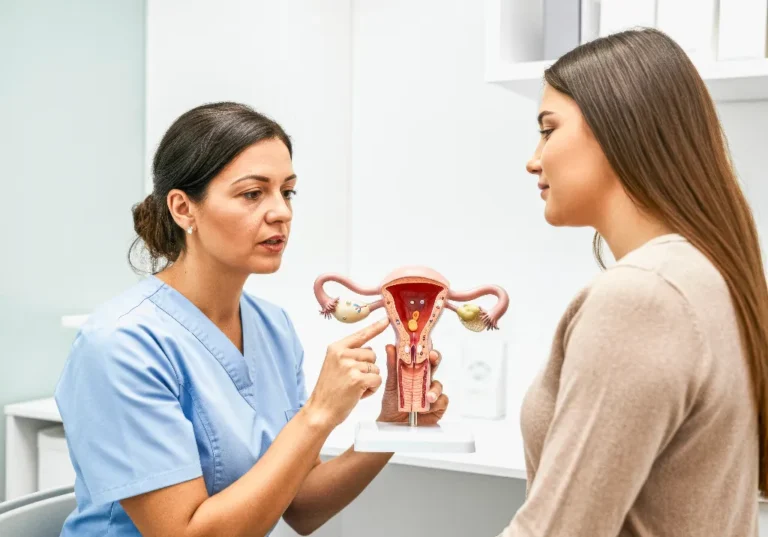
Why It is Often Diagnosed Late
Because of this surface spread:
- No early pain
- No bleeding
- No obvious symptoms
Patients usually present with:
- Bloating
- Abdominal distension
- Fluid accumulation (ascites)
Disease grows silently inside the abdomen.
Challenge
Disease spreads widely across abdominal surfaces
Opportunity
Since it remains surface-based, it can often be completely removed surgically.
Complete tumour removal is often possible
Ovarian cancer is one of the few cancers where even advanced disease can be effectively treated and potentially cured.
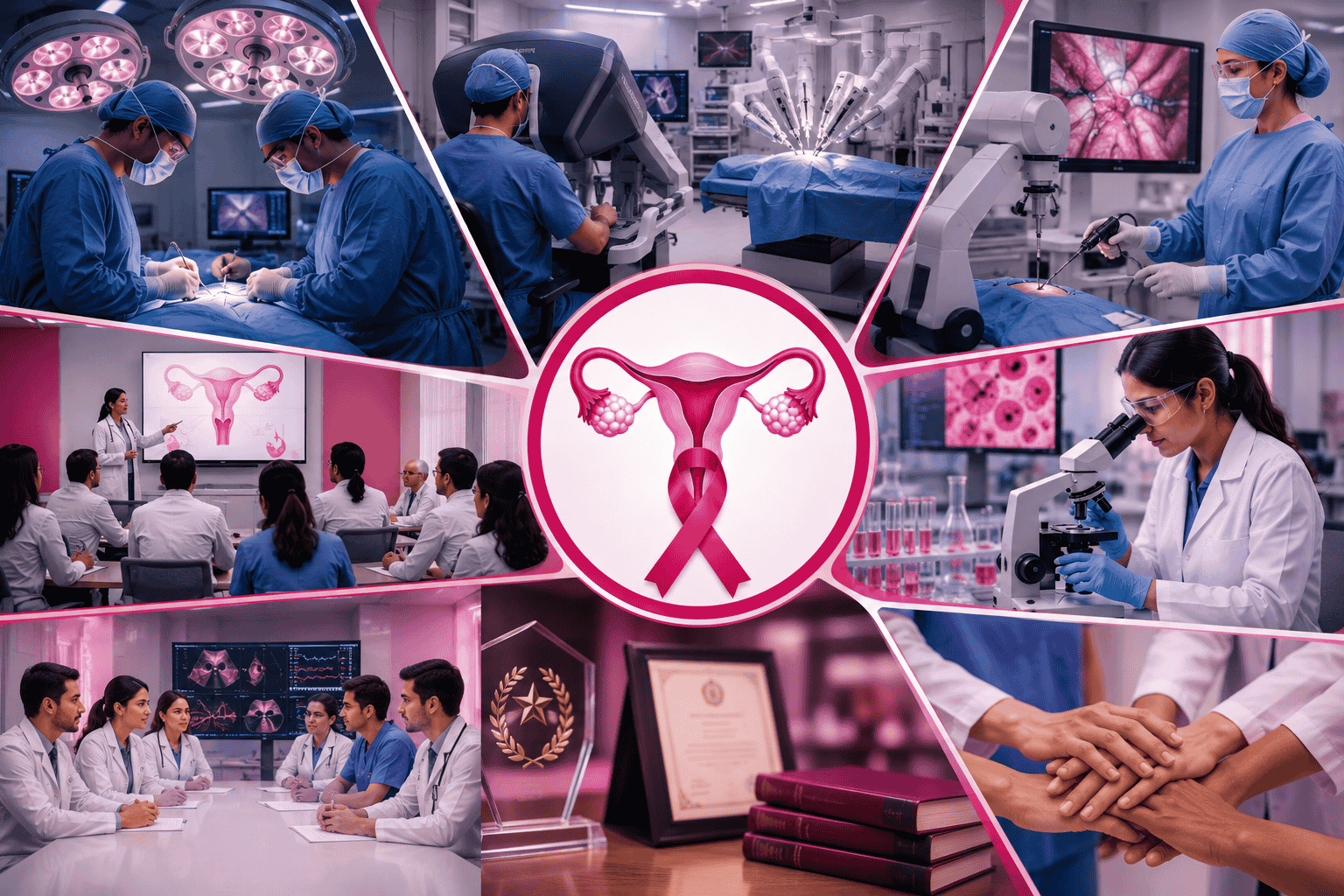
 Treatment is not decided only before surgery
 How Treatment is Planned
Final decisions are made during surgery using:
- Resection without rupture
- Frozen section (LIVE biopsy)
This allows:
Right surgery to be performed in a single operation

Why Biopsy Should Be Avoided Before Surgery
In most ovarian masses, preoperative biopsy is NOT recommended
1. Risk of Tumour Rupture
- Needle biopsy can puncture the cyst/tumour
- Leads to spillage → cancer spread
2. Does Not Change Treatment Plan
- If biopsy shows cancer → surgery is still required
- If biopsy shows no cancer → not reliable (only small sample taken)
3. False Reassurance Risk
- A negative biopsy does NOT rule out cancer
Goal of CRS Surgery
Achieve NO visible residual disease
Best Outcomes
Complete cytoreduction is associated with the best survival outcomes.
Important Limitation
Even small residual disease can significantly reduce treatment success.
What Does CRS Surgery Involve?
CRS is a comprehensive abdominal surgery that may include:
Removal of ovarian tumour ± uterus
Omentectomy
Peritoneal disease clearance
Peritoneal Procedures
Parietal peritonectomy (removal of lining of abdomen)
Paracolic peritonectomy
Subphrenic peritonectomy
In many cases, large areas of peritoneal lining are removed to clear disease completely.
Important Concept About Organ Involvement
Understanding how ovarian cancer behaves around organs
Surface Involvement
Ovarian cancer usually affects the surface of organs rather than growing deeply inside them.
Deep Invasion
Deep organ invasion is less common in many cases.
Therefore
Organs can often be preserved functionally during surgery.
Bowel Involvement
Understanding how bowel involvement is managed during CRS surgery
Surface Involvement
Most commonly, ovarian cancer involves only the surface of the bowel, allowing the bowel to be preserved.
If Required
A small bowel segment may be removed and the bowel is then reconnected (anastomosis).
Life After Recovery
Surgical Extension
Additional Procedures
Additional surgical procedures may be performed if needed
Lymph node dissection
(pelvic & para-aortic)
Diaphragm disease removal
Clearance of disease from
liver/spleen surface
Primary vs Interval Cytoreductive Surgery
Understanding the two major approaches used in ovarian cancer surgery planning
Primary Cytoreductive Surgery
(PCS)
Surgery is performed first, before starting chemotherapy.
Interval Cytoreductive Surgery
(ICS)
Surgery is performed after initial chemotherapy.
When is Primary Surgery Preferred?
As per international guidelines, Primary Cytoreductive Surgery (PCS) is preferred when certain conditions are met.
PCS is Preferred When
Patient is fit for extensive surgery
Complete tumour removal (100% resection) is achievable
If These Are Not Feasible
- Chemotherapy is given first
- Followed by Interval CRS
Complexity of CRS Surgery
CRS is an advanced and highly specialized surgical procedure
Long Surgery
CRS often involves long-duration surgery.
Multi-Area Removal
Disease may need removal from multiple abdominal areas.
Precision
Requires high surgical precision and expertise.
This is not a routine surgery.
Why Specialized Centre is Critical
CRS outcomes strongly depend on expertise and infrastructure
- Expertise of a gynecologic oncologist
- Strong multidisciplinary support
- Advanced surgical infrastructure
Outcomes depend heavily on experience and completeness of surgery.
Lets be Informed
Showcasing real-world CRS surgery experience and outcomes
Google Reviews
Read real stories from patients across India who trusted our specialized surgical protocols for their recovery.
Mansi Modi
"Dr is very brilliant in her work. Mam operated my mom for ovarian cancer. After two years of operation she guides us so genuinely. Even me also for my regular follow ups. She is so polite. Me and my mom came for follow up regularly and we are very satisfied."
Sharmila Baid
"My search for oncosurgeon ends with Dr swati shah, we came from bikaner Rajasthan for surgery of my sister underwent cytoreductive surgery + Hipec was done by Dr swati shah. She is best gynac cancer surgeon in Ahmedabad Gujarat. We are happy after surgery."
Shradhdhaben Goswami
"My mother underwent laproscopic surgery for ovary cancer and then we found out that it had cancer. The cancer came from appendix and spread to all inside abdomen, omentum and peritoneum cytoreductive surgery and hipec was done by Dr Harsh shah and Dr swati shah. Thank u so much both of you."
Dinesh Patel
"I would like to express my gratitude to Dr swati shah for successful crs + hipec surgery of my mother. We experienced homely care during hospital stay.. Highly recommend Dr swati mam as best ovarian cancer surgeon in Ahmedabad."
jatin trivedi
"CRS+HIPEC surgery was done by Dr swati shah. Her compassionate care and meticulous attention to detail have played crucial role in managing condition. I would like to thanks Dr swati mam for extraordinary effort at all levels. I highly recommend her to anyone in need of exceptional cancer care treatment."
- Knowledge Shorts
Watch our expert-curated shorts for quick, clear answers on diagnosis, treatment & more.
- Video testimonials
Video testimonials feature satisfied patients and clients sharing authentic stories to build trust and credibility.
This video is a heartfelt patient testimonial featuring a survivor of Pseudomyxoma Peritonei and 3rd-stage ovarian cancer. The family shares their challenging medical journey at Saraswati Hospital in Ahmedabad, Gujarat, where they initially consulted Dr. Chintan Agarwal. Recognizing the complexity of the massive abdominal tumor, he referred them to Dr. Swati Shah, an expert Uro-Gynec Onco Surgeon. Despite the critical and advanced nature of the diagnosis, the medical team provided immense reassurance. Prior to the surgery, the patient received comprehensive care, including consultations with Dr. Vimal Shah for necessary biopsies and pre-operative treatments. Dr. Swati Shah then successfully performed Cytoreductive Surgery—a highly complex and major operation—to remove the extensive tumor.
This inspiring video features a heartfelt patient testimonial detailing a successful battle against Ovarian Cancer with Peritoneal Carcinomatosis. After an initial consultation elsewhere, their path ultimately led them to Dr. Swati Shah, a highly skilled Uro-Gynec Onco Surgeon. Recognizing the severity and extensive spread of the disease, the specialized medical team carefully evaluated the case. To effectively treat the peritoneal carcinomatosis, the patient underwent a highly complex and meticulous Cytoreductive surgery that lasted for an intensive eight hours.
- Case Summaries
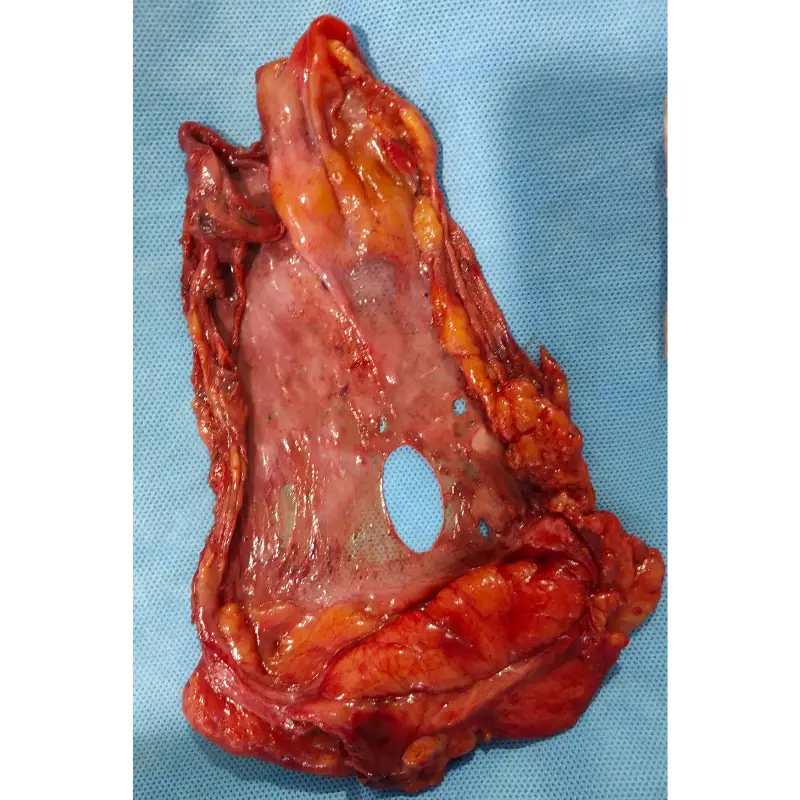
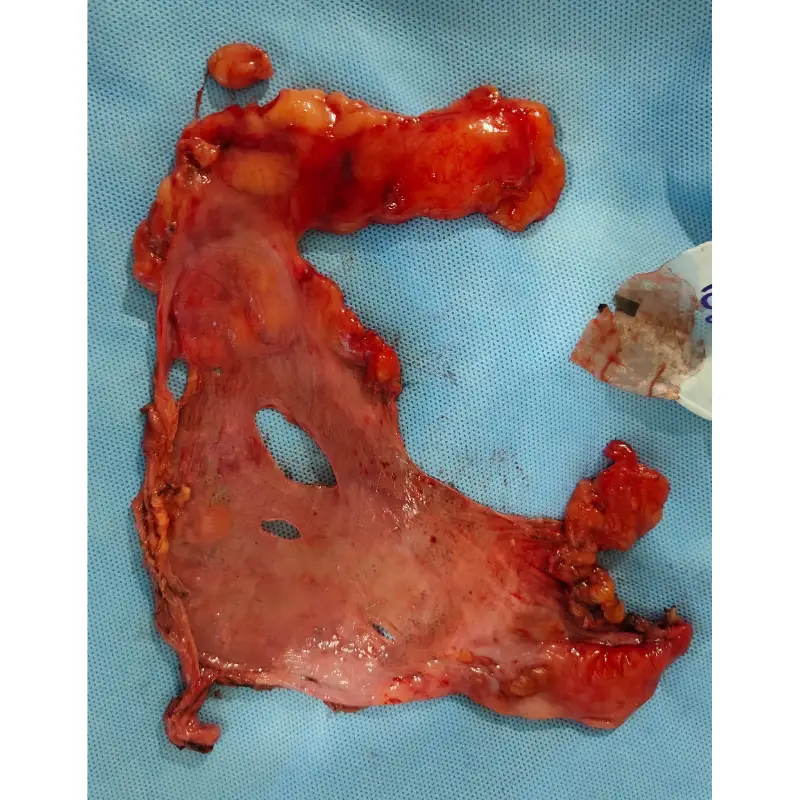
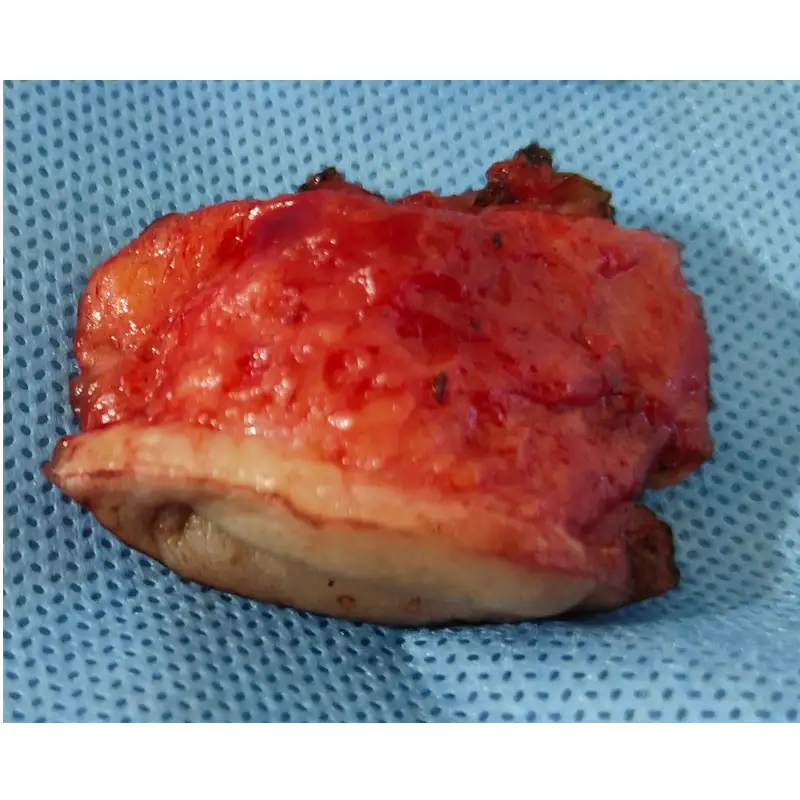
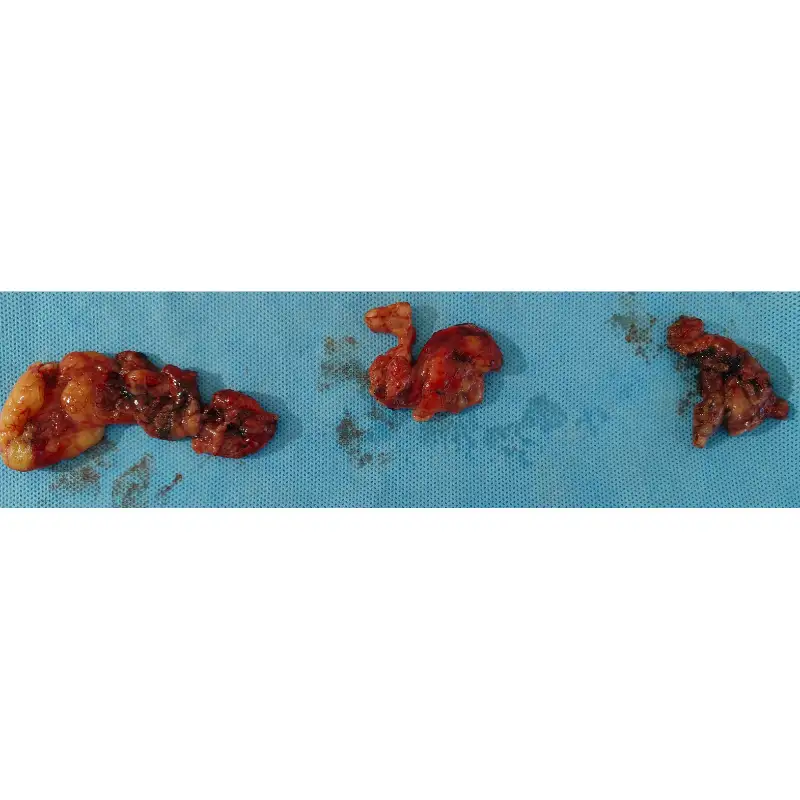
Advanced Cytoreductive Surgery for Stage IIIC High-Grade Serous Ovarian Carcinoma
- The Challenge
- Tackling Recurrent Pelvic Nodularities
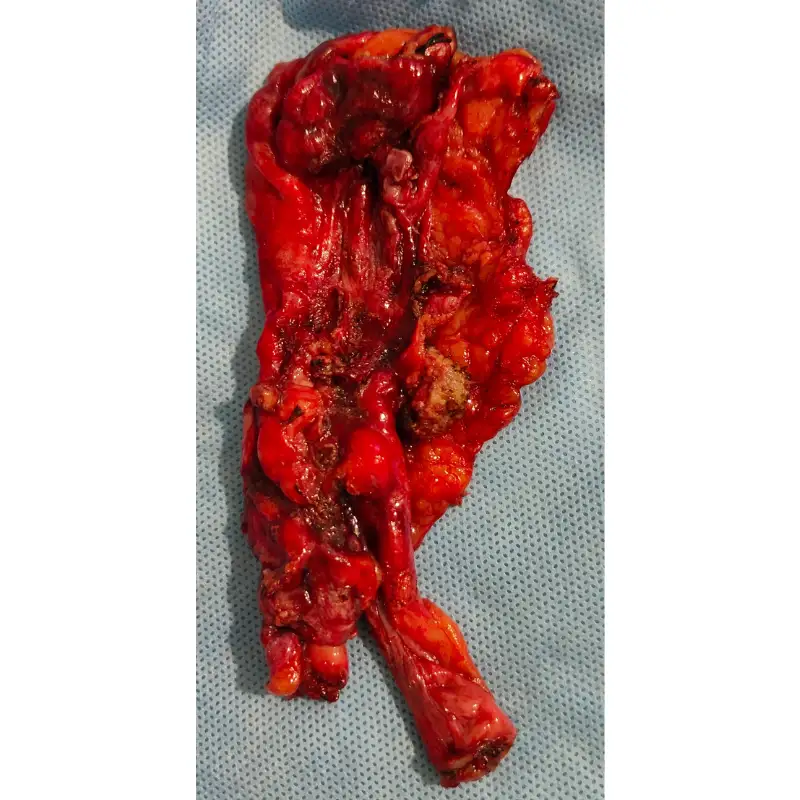
A 45-year-old female presented with a highly aggressive diagnosis of high-grade serous ovarian carcinoma following a prior abdominal hysterectomy. Recent medical imaging revealed complex, metabolically active nodularities aggressively spreading along the vaginal vault and right iliac vessels, demanding immediate and precise surgical intervention.
The Solution
⦿ Extensive Cytoreductive Surgery (CRS)
Dr. Swati Shah performed an extensive cytoreductive surgery involving the targeted removal of complex pelvic deposits and bilateral lymph node dissections. Her meticulous surgical approach ensured the precise eradication of widespread peritoneal and mesenteric tumors, maximizing the chance of complete oncological clearance.
» Surgical Highlights & Precision
• Extensive Procedure: Comprehensive cytoreductive surgery included a total omentectomy and targeted multivisceral peritonectomies.
• Lymph Node Dissection: Thirty pelvic and retroperitoneal lymph nodes were meticulously excised and successfully evaluated.
• Safety Profile: The intricate procedure was safely executed with minimal blood loss of exactly 400 milliliters.
• Tumor Clearance: Advanced surgical precision successfully eliminated all visible macroscopic disease across the complex abdominal cavity.
» The Outcome
⦿ Uneventful Recovery and Exceptional Clearance
The patient experienced an entirely uneventful recovery and became fully ambulatory shortly after the complex operation. Final histopathology confirmed that all thirty harvested regional lymph nodes were completely negative for metastatic tumor cells. She was safely discharged with remarkably stable hemodynamics, ready to seamlessly continue her overall oncological care.
» Dr. Swati Shah’s Insight
By aggressively pursuing complete cytoreductive surgery for this advanced Stage IIIC carcinoma, we successfully removed all visible disease. This meticulous surgical clearance gives our patient the absolute best possible foundation for achieving long-term survival and overall cure.
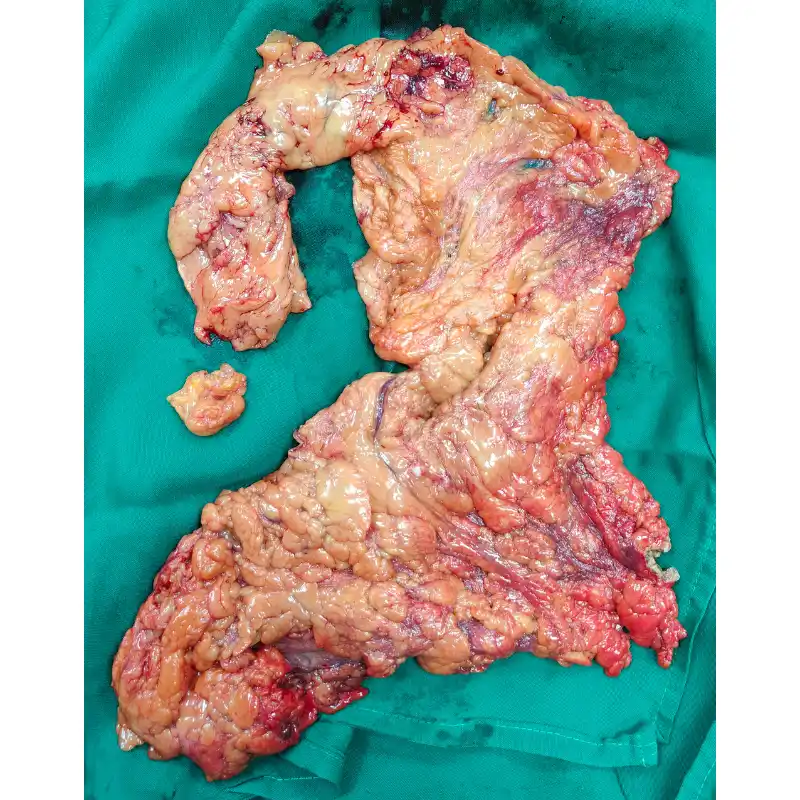
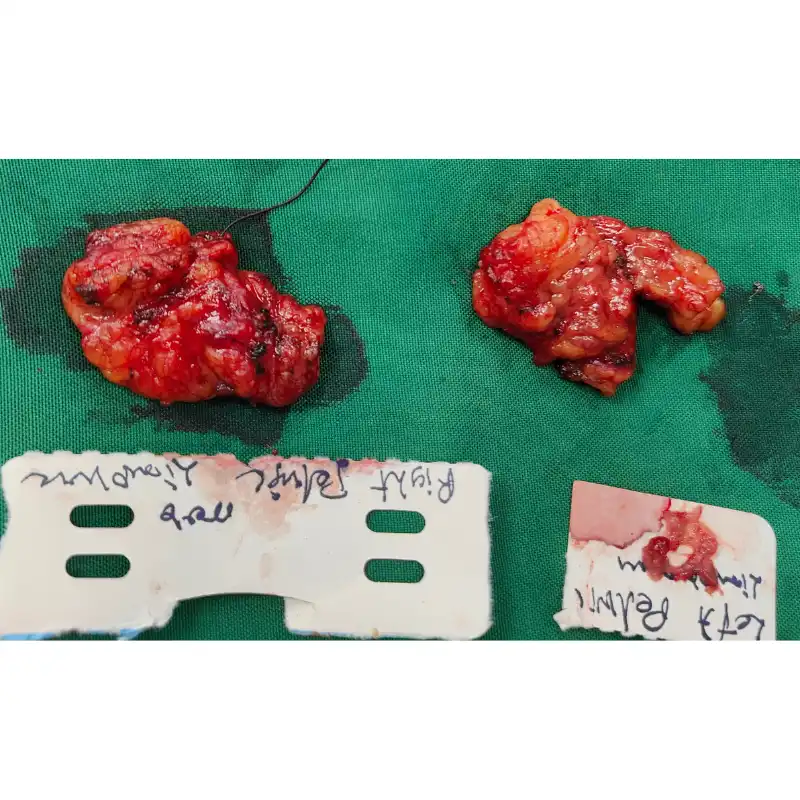
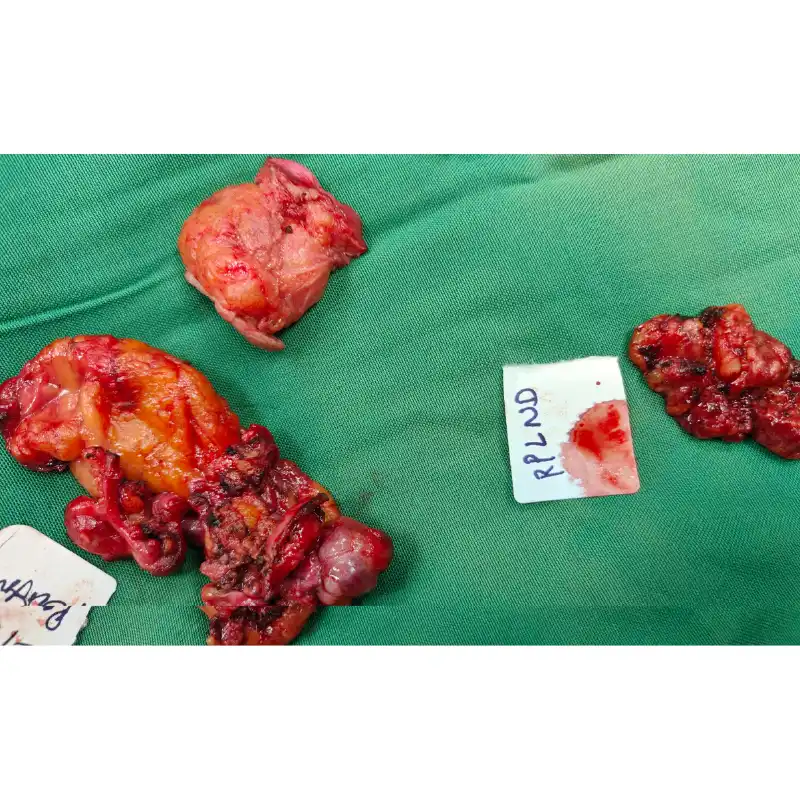
Advanced Cytoreductive Surgery And Retroperitoneal Lymph Node Dissection For High-Grade Ovarian Adenocarcinoma
- The Challenge
- Aggressive Pelvic Mass
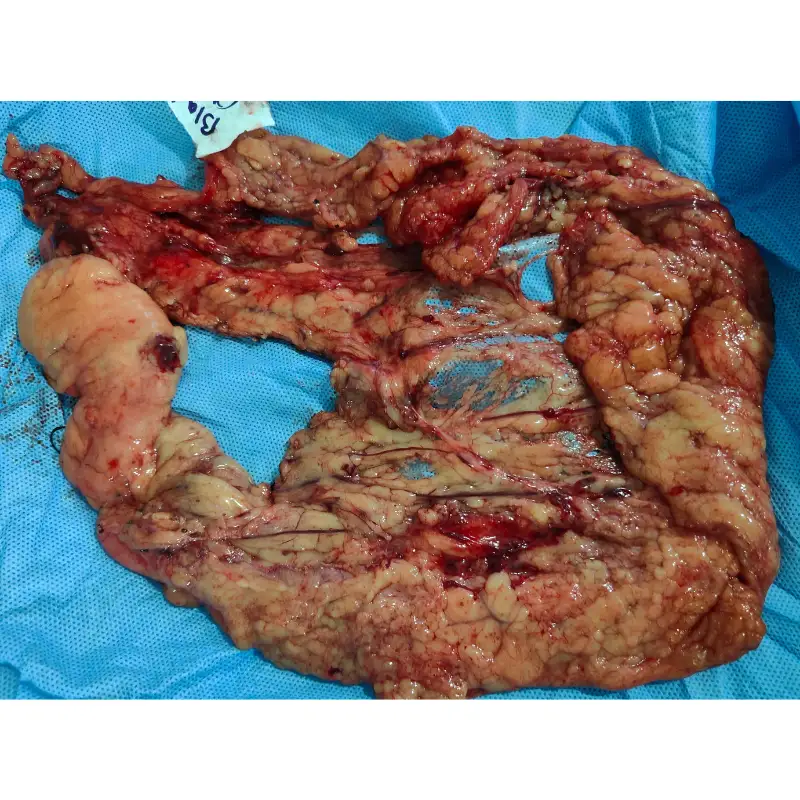
A 59-year-old female patient presented with a highly complex pelvic mass originating from the ovary and an associated omental nodule. Immediate surgical intervention was strictly required due to the incredibly aggressive nature of the suspected high-grade malignancy. This advanced presentation demanded exceptional surgical expertise for complete tumor excision.
The Solution
⦿ Cytoreductive Surgery and Lymph Node Dissection
Dr. Swati Shah performed an extensive and highly precise cytoreductive surgery to tackle the aggressive ovarian growth. The complex procedure incorporated a total abdominal hysterectomy, bilateral salpingo-oophorectomy, and meticulous retroperitoneal lymph node dissection. Advanced surgical techniques were skillfully utilized to safely remove all identified adnexal and omental disease.
» Surgical Highlights & Precision
• Comprehensive Resection: A complete cytoreductive surgery with hysterectomy and salpingo-oophorectomy was successfully executed.
• Extensive Dissection: Meticulous retroperitoneal lymph node dissection ensured the thorough removal of potential microscopic spread.
• Optimal Safety: The procedure was completed with absolute precision, maintaining hemodynamic stability and minimal blood loss.
• Malignancy Clearance: Frozen sections confirmed the successful removal of the high-grade adenocarcinoma and associated positive nodules.
» The Outcome
⦿ Stable Recovery and Complete Excision
The patient experienced a remarkably smooth postoperative recovery and remained hemodynamically stable throughout the hospital stay. Immediate frozen section pathology conclusively identified the high-grade adenocarcinoma while validating the complete removal of all targeted malignant tissues. She successfully regained normal ambulatory function and was safely discharged with a favorable ongoing prognosis.
» Dr. Swati Shah’s Insight
Tackling a high-grade ovarian malignancy demands absolute surgical precision and a comprehensive cytoreductive approach. By meticulously clearing the pelvic mass and involved nodes, we successfully eliminated the visible disease burden. This aggressive intervention gives our patient the best possible foundation for long-term survival.
Frequently Asked Questions
Yes, if complete tumour removal is achieved.
It is surgery to remove all visible cancer from the abdomen.
Yes — because ovarian cancer spreads on surfaces, it can often still be removed.
In many cases, organs are preserved as disease is surface-based.
Cytoreductive Surgery for Ovarian Cancer
Ahmedabad, Gujarat
Advanced CRS for ovarian cancer is performed in Ahmedabad at specialized centres with expertise in advanced ovarian cancer management.
Specialized Expertise
Advanced Surgery
Expertise in advanced ovarian cancer surgery procedures.
Complete Cytoreduction
Focus on complete tumour removal techniques.
Multidisciplinary Care
Coordinated care with a multidisciplinary oncology team.
Patients Seek Treatment From
Stage III / IV
Advanced ovarian cancer requiring CRS surgery.
Recurrent Disease
Patients seeking management for recurrent ovarian cancer.
Consult for Advanced Ovarian Cancer Surgery
Expert evaluation for advanced ovarian cancer and CRS surgery
If you or your relative has been diagnosed with:
Advanced Ovarian Cancer
Evaluation for CRS surgery and complete tumour removal.
Widespread Abdominal Disease
Assessment of disease spread and surgical feasibility.
Proper Evaluation is Important
A detailed evaluation can help determine whether complete tumour removal is possible.
Cost of cytoreductive surgery at IOCI
Cytoreductive surgery (ovarian debulking) at the Indian Ovary Cancer Institute, Ahmedabad costs ₹3.5 – 5 lakh. The range reflects the extent of disease found at operation and the length of hospital stay.
Get health updates from Dr Swati Shah on WhatsApp
Swasth Parivar: twice a month, practical advice on recovery, diet and warning signs. No advertising. Stop any time.
Your number is used for these updates and for the clinic to reach you. It is never sold or passed on. To stop, reply STOP on WhatsApp.