

Resection Without Rupture

(No Spillage Surgery for Ovarian Tumours)

What is “Resection Without Rupture”?

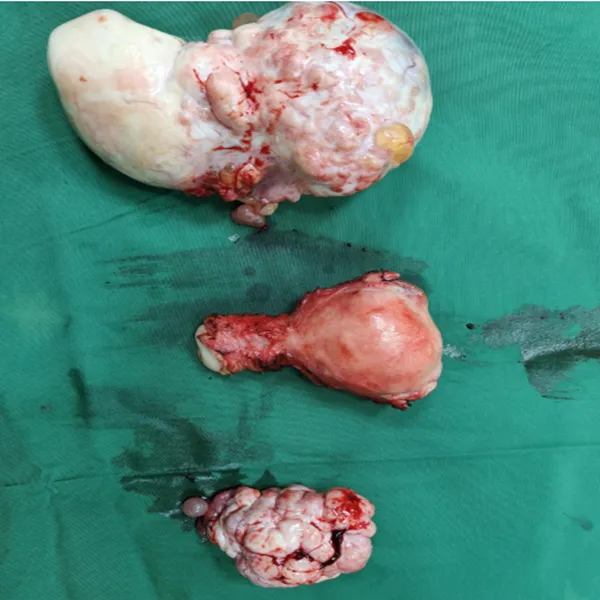
Resection without rupture means removing an ovarian cyst, tumour, or mass completely intact—without any leakage or spillage of its contents inside the abdomen.This is one of the most critical principles in ovarian tumour surgery, because:
  •  Ovarian cancers spread along surfaces (peritoneal spread)
  •  Even a small spill can spread disease inside the abdomen

Dr Swati Shah, MS, DNB — Robotic UroGynec Oncosurgeon, performs ovarian tumour resection without rupture at Apollo Hospital, Bhat, Gandhinagar.

What is resection without rupture?

Resection without rupture means removing an ovarian mass with its capsule intact, so no tumour cells are spilled into the abdomen during the operation.

Why does rupture matter in ovarian tumour surgery?

Spillage upstages an otherwise early cancer and can commit a patient to chemotherapy that intact removal would have avoided.

Can a large ovarian mass be removed without rupture?

Yes. Careful mobilisation, controlled decompression and a retrieval bag allow even large masses to be delivered intact.

Is laparoscopy safe for a suspicious ovarian mass?

Laparoscopy is appropriate when the mass can be removed intact inside a retrieval bag. Where that is not possible, open surgery is the safer choice.

Who performs intact ovarian tumour resection in Ahmedabad?

Dr Swati Shah, MS, DNB — Robotic UroGynec Oncosurgeon, performs ovarian tumour resection without rupture at Apollo Hospital, Bhat, Gandhinagar.

What happens if the mass turns out to be cancer?

A frozen section during the same operation guides whether full staging surgery should be completed in that sitting.

Why Avoiding Rupture is
Extremely Important

Cancer Spread Risk

the outcome depends largely on how effectively surgery is performed

  • Ovarian cancer spreads by surface seedingsurvival
  • If the tumour ruptures → cancer cells spill into the abdomen
  • This can upstage the disease

Impact on Cancer Stage & Treatment

Stage I ovarian cancer is divided into:

  • Stage IA / IB → No rupture
  • Stage IC → Rupture present

Stage IC often requires chemotherapy, even if otherwise early

Meaning:

A preventable rupture can convert a curable surgical disease into one requiring chemotherapy

List
Subtitle Shape Treatment is not decided only before surgery

How Treatment is Planned

Final decisions are made during surgery using:

  • Resection without rupture
  • Frozen section (LIVE biopsy)

This allows:
Right surgery to be performed in a single operation

Deal Image

Why Biopsy Should Be Avoided Before Surgery

In most ovarian masses, preoperative biopsy is NOT recommended

1. Risk of Tumour Rupture
2. Does Not Change Treatment Plan
3. False Reassurance Risk
Biopsy Information Section
Important Clinical Note

Why Biopsy Should Be Avoided Before Surgery

In most ovarian masses, preoperative biopsy is NOT recommended.

01

Risk of Tumour Rupture

  • Needle biopsy can puncture the cyst/tumour
  • Leads to spillage → cancer spread
02

Does Not Change Treatment Plan

  • If biopsy shows cancer → surgery is still required
  • If biopsy shows no cancer → not reliable
03

False Reassurance Risk

  • A negative biopsy does NOT rule out cancer
SURGICAL DECISION

When is Surgery (Resection) Indicated?

Surgical removal is recommended when ovarian cysts or tumours show suspicious features or cause persistent symptoms.

Surgery is advised when:

Ovarian cyst/tumour > 6 cm
Persistent or symptomatic cyst
Presence of solid components
Suspicion of malignancy on scans or tumour markers

Preoperative Evaluation

Before surgery, careful assessment is performed to ensure safe treatment planning:

USG / Ultrasound
CT Scan
MRI
Tumour Markers
Fitness Assessment

Goal: Plan safe tumour removal WITHOUT rupture.

SURGICAL PRINCIPLE

Remove Intact First,
Diagnose Later

The safest and most effective approach is to remove the tumour intact first, followed by pathological diagnosis.

Correct Surgical Sequence

1. Resection without rupture

2. Send specimen for diagnosis

Frozen section (during surgery)
Final histopathology

What Happens After Removal?

Frozen Section

  • Rapid intraoperative diagnosis
  • Helps decide extent of surgery
  • Staging surgery can be completed in the same setting
SURGICAL TECHNIQUES

Surgical Approaches

Open Surgery

Preferred when:

  • Large tumour
  • Suspicion of cancer
  • Adhesions present

Safest option to avoid rupture

Laparoscopic Surgery

Selected Cases

  • Tumour usually ≤ 10 cm
  • Performed with strict precautions

Important Precautions

  • Tumour placed in endobag
  • Removed via separate incision
  • Not removed after puncturing/suction

Robotic Surgery

Similar to laparoscopy

Requires expertise and careful patient selection.

Advanced minimally invasive technique in selected centres.

Special Warning About Minimally Invasive Surgery

Higher Risk of Rupture

If tumour is adherent, laparoscopic or robotic surgery may increase rupture risk.

Spill & Dissemination Risk

Abdomen remains under pressure during lap/robotic surgery, increasing spill dissemination risk.

Should only be performed in experienced centres with strict precautions.

GUIDELINE-BASED IMPORTANCE

Clinical Importance

Avoiding tumour rupture is one of the most important surgical principles in ovarian cancer management.

Key Clinical Benefits

  • Stage I classification depends on rupture
  • Prevents stage migration
  • May reduce need for chemotherapy
  • Improves long-term prognosis
Guideline

Guideline-based ovarian cancer management principles

Why Choose a Specialized Centre?

Safe ovarian cancer surgery requires expertise, planning, and oncological precision.

Advanced Surgical Planning

Onco-Surgical Expertise

Proper Intraoperative Judgment

Oncologically Safe Removal

If frozen section suggests cancer, staging surgery can be completed in the same operation — avoiding second surgery.
Lets be Informed

5.0 Rating

Google Reviews

Read real stories from patients across India who trusted our specialized surgical protocols for their recovery.

Mansi Modi

"Dr is very brilliant in her work. Mam operated my mom for ovarian cancer. After two years of operation she guides us so genuinely. Even me also for my regular follow ups. She is so polite. Me and my mom came for follow up regularly and we are very satisfied."

Sharmila Baid

"My search for oncosurgeon ends with Dr swati shah, we came from bikaner Rajasthan for surgery of my sister underwent cytoreductive surgery + Hipec was done by Dr swati shah. She is best gynac cancer surgeon in Ahmedabad Gujarat. We are happy after surgery."

Shradhdhaben Goswami

"My mother underwent laproscopic surgery for ovary cancer and then we found out that it had cancer. The cancer came from appendix and spread to all inside abdomen, omentum and peritoneum cytoreductive surgery and hipec was done by Dr Harsh shah and Dr swati shah. Thank u so much both of you."

Dinesh Patel

"I would like to express my gratitude to Dr swati shah for successful crs + hipec surgery of my mother. We experienced homely care during hospital stay.. Highly recommend Dr swati mam as best ovarian cancer surgeon in Ahmedabad."

jatin trivedi

"CRS+HIPEC surgery was done by Dr swati shah. Her compassionate care and meticulous attention to detail have played crucial role in managing condition. I would like to thanks Dr swati mam for extraordinary effort at all levels. I highly recommend her to anyone in need of exceptional cancer care treatment."

Watch our expert-curated shorts for quick, clear answers on diagnosis, treatment & more.

Video testimonials feature satisfied patients and clients sharing authentic stories to build trust and credibility.

Ovarian mass resection with frozen section is a specialized surgical procedure performed to remove an ovarian mass, such as a tumor or cyst, from the ovary. During the surgery, a critical step involves sending a small sample of the removed mass for immediate frozen section analysis. This advanced technique involves rapidly freezing the tissue and examining it under a microscope while the surgery is still ongoing. It allows the medical team to immediately determine if the tumor is benign (non-cancerous) or malignant (cancerous), which guides real-time decisions about the extent of the surgery.

During the consultation, it was discovered that the patient had an ovarian cyst that required surgical removal. The laparoscopic procedure was performed just a week before the video was recorded. The patient describes the surgery as a seamless and mostly painless experience. She praises Dr. Swati Shah for her calm, composed nature and exceptional surgical expertise. The minimally invasive nature of the laparoscopy allowed for an incredibly fast recovery; within just one week, the patient’s stitches were removed, and she is already feeling fully recovered and doing well.

Case summaries provide concise overviews of patient diagnoses, advanced treatments, and successful clinical recovery outcomes.

Exploratory Laparotomy And Complex Excision For A Suspicious Right Adnexal Mass

A 49-year-old female presented with severe lower abdominal pain persisting for fifteen days, alongside an alarming heterogenous solid-cystic right pelvic mass. Imaging strongly suggested a neoplastic etiology with pelvic lymphadenopathy, necessitating highly urgent surgical intervention to rule out an aggressive ovarian malignancy.

The Solution


⦿ Comprehensive Exploratory Laparotomy

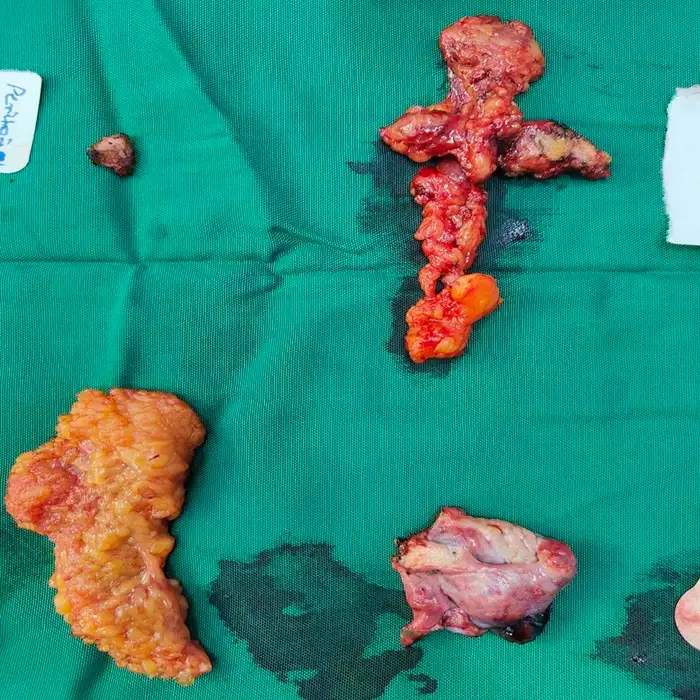
Dr. Swati Shah performed an exploratory laparotomy, right adnexal mass excision, left oophorectomy, appendicectomy, bilateral pelvic lymph node dissection, and omental biopsy. The team navigated complex adhesions, carefully separating the appendix from the tumor. This exceptional surgical precision ensured complete tissue removal and maximized patient safety.

» Surgical Highlights & Precision


Procedure: An exploratory laparotomy with adnexal excision and appendicectomy was meticulously executed.

Pelvic Lymph Nodes: Bilateral pelvic lymph node dissection yielded seventeen nodes for comprehensive pathological evaluation.

Blood Loss: Superior hemostatic control resulted in an exceptionally minimal estimated blood loss of 100 ml.

Complete Clearance: All suspicious masses and adherent structures were successfully excised without compromising surrounding tissues.


» The Outcome


⦿ Uneventful Recovery And Favorable Pathology

The patient experienced an entirely uneventful postoperative recovery and was discharged with stable hemodynamics. Final histopathology remarkably revealed xanthomatous salpingooophoritis and acute appendicitis, confirming absolutely no malignancy was present. The patient successfully regained ambulatory function and safely transitioned to a comfortable recovery at home.

» Dr. Swati Shah’s Insight


Navigating a highly suspicious pelvic mass with severe adhesions requires absolute surgical precision. By comprehensively excising the involved tissues, we achieved a definitive benign diagnosis, securing the patient's excellent long-term health.

Advanced Surgical Management of Metastatic Ovarian Carcinoma Secondary to Breast Cancer

A 45-year-old female presented with bilateral adnexal masses, signaling a metastatic spread from a previously treated left breast carcinoma. The case was particularly complex due to the patient’s extensive history of prior chemotherapy, mastectomy, and the aggressive, recurrent nature of the metastatic disease requiring urgent intervention.

The Solution


⦿ Comprehensive Exploratory Laparotomy and Multimodal Cytoreduction

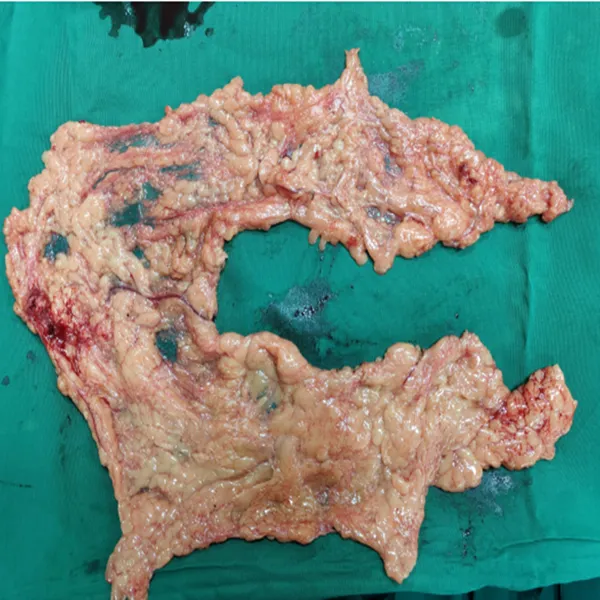
Dr. Swati Shah performed a meticulous diagnostic laparoscopy followed by a formal exploratory laparotomy, total abdominal hysterectomy, and bilateral salpingo-oophorectomy. Precision in surgical technique was paramount to safely resect the adnexal masses while performing an infracolic omentectomy, ensuring the complete removal of all visible metastatic deposits within the abdominal cavity.

» Surgical Highlights & Precision


Procedure: A comprehensive cytoreductive surgery involving diagnostic laparoscopy, laparotomy, hysterectomy, and infracolic omentectomy was successfully performed.

Anatomical Complexity: The surgical team navigated challenging bilateral adnexal masses to ensure complete tumor excision from the ovaries.

Safety & Hemostasis: Exceptional surgical precision was maintained throughout the procedure, resulting in minimal blood loss of 100 ml.

Cancer Clearance: The procedure achieved a successful oncological outcome with final pathology confirming the removal of all involved tissues.


» The Outcome


⦿ Stable Recovery and Pathological Success

Postoperatively, the patient remained hemodynamically stable and was mobilized shortly after the intervention. Pathological evaluation confirmed the successful resection of metastatic carcinoma with clear margins, while the uterus and parametria remained uninvolved. The patient experienced an uneventful recovery and was discharged in stable condition to continue her ongoing oncological management.

» Dr. Swati Shah’s Insight


In cases of metastatic breast cancer involving the ovaries, a meticulous surgical approach is vital to managing the disease burden effectively. By utilizing a comprehensive cytoreductive strategy, we can achieve optimal outcomes and provide our patients with the best chance for long-term survival.

Expert Consultation

Consult for Safe Ovarian Tumour Surgery

Early expert evaluation is critical to ensure safe, rupture-free surgery

Frequently Asked Questions

Yes. If cancer is present, rupture can spread disease and increase stage.

Yes, but only in selected cases with precautions to avoid rupture.

Because it can cause rupture and does not reliably rule out cancer.

Yes. Even early-stage cancers may require chemotherapy if rupture occurs.

Ovarian tumour resection is performed at Apollo Hospital, Bhat, Gandhinagar, with consultations at the Gota clinic in Ahmedabad.

Yes. Bring the ultrasound or MRI report, the CA-125 result and any earlier records, and a second opinion can be given on the approach and on whether the mass can be removed intact.

In a young patient with disease confined to one ovary, the uterus and the opposite ovary can often be preserved. This is decided with the frozen-section result during the operation.

After laparoscopic removal most patients go home in one to two days and return to routine activity within two weeks. Open surgery takes longer.

हाँ। सावधानीपूर्वक सर्जरी और रिट्रीवल बैग की मदद से बड़ी गांठ भी बिना फटे निकाली जा सकती है, जिससे कैंसर फैलने का खतरा कम रहता है।

હા. કાળજીપૂર્વકની સર્જરી અને રિટ્રીવલ બેગની મદદથી મોટી ગાંઠ પણ ફાટ્યા વગર કાઢી શકાય છે, જેથી કેન્સર ફેલાવાનું જોખમ ઘટે છે.

Make An Appointment!