


Ovarian Cancer and Ovarian Tumour Surgery Services

Indian Ovary Cancer Institute (IOCI), Ahmedabad. Every service for a cyst, a tumour or a cancer of the ovary, planned and done by one surgeon, Dr Swati Shah.

Send your scan, your CA-125 report and any operation notes on WhatsApp. We read them before you arrive. · +91-89800-20898
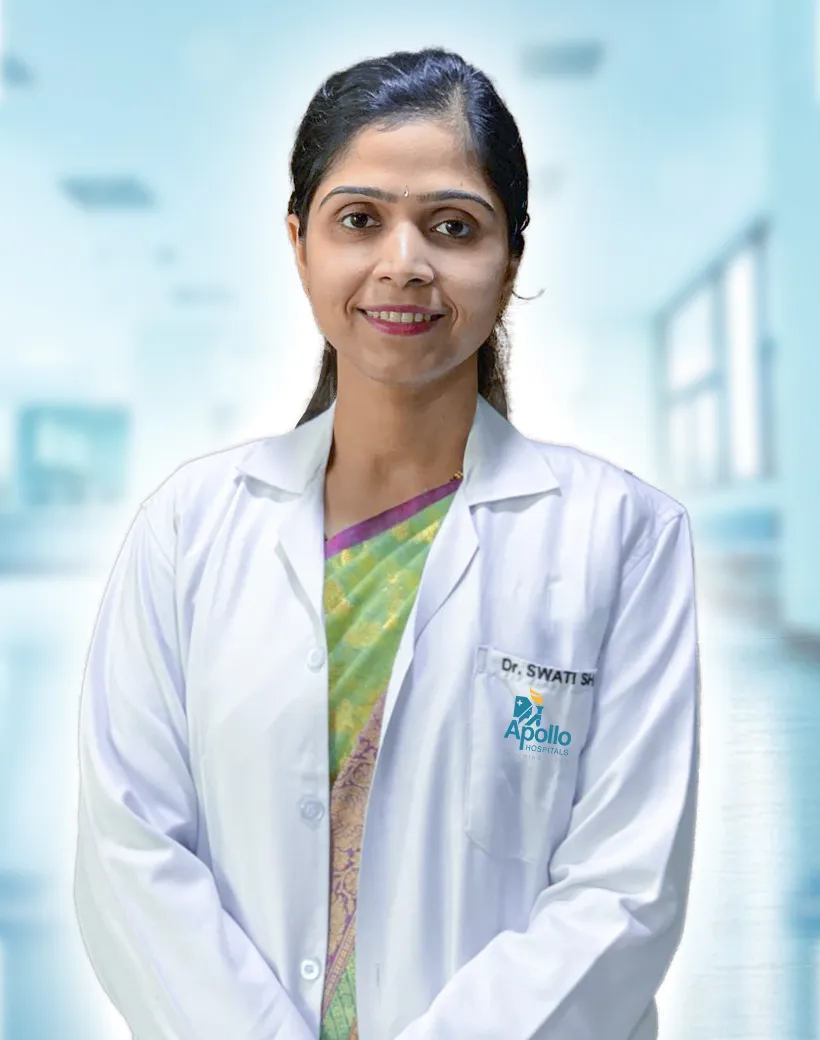
Dr Swati Shah, ovary cancer surgeon, Ahmedabad

Dr Swati Shah
MS, DrNB (Surgical Oncology)
Ovary Cancer Surgeon · Apollo Hospital, Bhat, Gandhinagar · Gota OPD, Ahmedabad

Indian Ovary Cancer Institute (IOCI), Shah’s Gastro, Cancer & Robotic Surgery Centre. Trained at busy cancer centres. Fully qualified in cancer surgery. 18 years of experience in cancer surgery for women. Rated 5.0 from 18 Google reviews at the IOCI clinic, and 4.95 from 56 at Apollo Hospital, Bhat.

Last updated: 10 October 2026

IOCI works on one organ, the ovary. We treat cysts, tumours, early cancer, advanced cancer and cancer that comes back. Each service below has its own page.

Which service fits you

The right service depends on three things. Is the mass likely to be cancer? How far has it spread? And what matters most to you: children, a quick recovery, or the fullest operation?

Most women come to us with one of five stories. A cyst was seen on a scan. A lump looks worrying and the CA-125 is high. A biopsy has shown cancer. Chemo has started and the next step is surgery. Or a cancer treated years ago has come back. The table matches each story to a service.

Your situationThe serviceWhat it aims for
A cyst or lump that needs removalRemoval without rupture and frozen sectionTake it out whole. Know during the operation if it is cancer.
Early cancer, and you want childrenFertility-saving surgeryFull staging. Keep the womb and the other ovary when safe.
A lump or early cancer that suits keyhole surgeryKeyhole and robotic surgeryThe same operation through small cuts. A shorter stay.
Cancer is confirmedSurgery for ovarian cancerFind the exact stage. Remove all the cancer you can see.
Cancer has spread in the bellyCytoreductive surgery (CRS)Leave no visible cancer behind.
Advanced cancer after chemoHIPECHeated chemo for what the eye cannot see.
Before or after surgeryChemo and targeted drugsTreat what surgery cannot reach. Lower the chance of return.
All through your careSupport servicesDiet, genes, counselling and recovery.

Taking out a cyst or tumour safely

A lump that might be cancer is taken out whole, so no cells spill. A frozen section, a quick tissue test during surgery, then tells us if more is needed.

Most lumps on the ovary are not cancer. But a few are. A scan cannot always tell them apart. If a cancer cyst bursts during surgery, cells spread in the belly. The stage goes up. Then chemo may be needed that was not needed before. So how the lump is removed matters as much as the choice to operate.

At IOCI a worrying lump comes out in one piece. In keyhole surgery it goes into a bag first. The tissue goes to the lab while you sleep. If the report says the cyst is harmless, the operation ends. Healthy ovary is kept where we can. If the report says cancer, the staging is done at once. You do not need a second operation. Read more on removal without rupture and frozen section. See also the ovarian cyst and ovarian tumour pages.

Keeping the chance of a baby

For a young woman with a very early cancer in one ovary, we can remove that ovary and stage fully. The womb and the other ovary stay.

This is not a smaller cancer operation. The staging is just as thorough. We take fluid, small samples of the belly lining, the fatty apron and the lymph glands. We keep the womb only when these show the cancer has not spread. It suits stage IA cancer of a low grade that is not the clear-cell type. It is for a woman who truly wants children, after a written talk about the risks. If the final report changes things, we talk again openly. Read the fertility-saving surgery and early ovarian cancer pages.

Small cuts where they suit: keyhole and robotic surgery

Keyhole and robotic surgery suit harmless lumps, many early cancers and staging. For cancer spread widely in the belly, open surgery is safer because removing everything matters most.

Through small cuts we do the same steps. The lump comes out whole in a bag. We look all around the belly. For cancer, we finish the staging. You have less pain. You eat and walk sooner. Most women go home from Apollo Hospital, Bhat, in a few days. We choose the approach from your scan, not from a liking for one tool. See keyhole and robotic ovarian surgery.

Where robotic and keyhole surgery fit in ovarian cancer. A short film from IOCI.

Surgery for ovarian cancer

Ovarian cancer is staged at surgery, not on a scan. The aim is always the same: leave no visible cancer. Early cancer needs full staging. Advanced cancer needs cytoreductive surgery.

First we confirm and map the cancer. A CT scan of the chest, belly and pelvis shows where it is. A needle biopsy or a keyhole look gives tissue before any chemo. We send the BRCA and HRD gene test at the start. Its result decides the drug you take after chemo. If blood markers do not point to the ovary, we check the bowel first. That way a bowel cancer is not treated as an ovarian one.

  1. Early cancer: we remove the womb, both tubes and ovaries and the fatty apron. We also take fluid, samples and lymph glands. This gives the exact stage.
  2. Advanced cancer that can all be removed: surgery first, then chemo.
  3. Advanced cancer that cannot all be removed yet: three or four rounds of chemo, then surgery, then the rest of the chemo.

The main page is surgery for ovarian cancer. Stage pages: stage 3, advanced and stage 4.

Cytoreductive surgery (CRS) when cancer has spread

Cytoreductive surgery removes every cancer deposit you can see in the belly and pelvis. Leaving nothing visible matters more than the size of the operation.

The core is removal of the womb, tubes, ovaries and fatty apron. The rest is done only when it helps leave nothing behind. That may mean peeling the lining under the lungs, or removing the spleen, the gall bladder or a piece of bowel. A GI surgeon joins when the bowel or upper belly is involved. If a bag on the belly (stoma) may be needed, we ask your consent before surgery. Every time.

Surgery first or chemo first? The tumour board decides from your CT, and sometimes a keyhole look. We never plan a half operation. If we open and find it cannot all come out, we take tissue and close. You get chemo first, and we operate later. Read the CRS page and the surgery first or chemo first guide.

HIPEC: heated chemo, used where it helps

HIPEC washes heated chemo through the belly after a complete operation. Trials support it at surgery done after chemo in advanced cancer. We never add it when cancer is left behind.

Heated chemo only soaks into the surface. So it can kill cells you cannot see. It cannot kill lumps that were left. That is why a complete operation comes first. At a first operation, before any chemo, HIPEC is still being tested. We tell you so. We plan kidney care and fluids with the anaesthesia team. The HIPEC machine and its team are booked at Apollo Hospital, Bhat, when your date is set. Read the HIPEC page and the guide on who can have CRS and HIPEC.

When cancer comes back

A return of cancer does not always end the role of surgery. If it comes back after six months and looks removable, a second operation is considered first.

We look at every return for a second operation. When surgery is not right, we choose chemo by how long the cancer stayed away. Targeted drugs are added where they help. Comfort care starts early, at the first return. It sits alongside treatment, not only at the end. See the recurrent ovarian cancer page.

Treatment beyond the operation

Most ovarian cancers need chemo as well as surgery. Many also need a drug after chemo, chosen by the BRCA and HRD result. We plan these with the operation.

  • Chemo: usually six rounds in all, before and after surgery, or all after it. See chemo for ovarian cancer.
  • Drugs after chemo: PARP drugs such as olaparib for BRCA cancer, and other drugs by gene result. They start within twelve weeks of the last round. See targeted drugs and immunotherapy.
  • Genes: when a BRCA fault is found, we offer the test to sisters, daughters and close family.
  • Support: a dietitian if you have lost weight, exercise and breathing practice before surgery, stoma nursing, and help with sudden menopause. See support services.

What patients and families say

★★★★★

“I am very thankful to Dr. Swati Shah for treating and operating on my mother for ovarian cancer. From the first consultation to the surgery and follow-up, she was very supportive, caring, and explained everything clearly. We felt confident and comfortable under her care. The surgery went well, and my mother is recovering nicely. We are truly grateful for her expertise and dedication.”

Sonal Soni, September 2026

★★★★★

“My relative required surgery for a large ovarian mass, and we chose Indian Ovarian Cancer Institute (IOCI) because of its exclusive focus on ovarian diseases. Every report was explained patiently, and we never felt rushed while making treatment decisions. The surgery was successful, recovery was excellent, and the follow-up has been very reassuring.”

Jignesh Patel, August 2026

★★★★★

“Dr. Swati Shah operated on my mother for CRS HIPEC. We are very thankful for her excellent treatment and compassionate care throughout the journey. She explained everything clearly and made us feel confident before the surgery. My mother is recovering well, and we are grateful for the successful outcome.”

Rajesh Patel, August 2026

★★★★★

“My relative had advanced ovarian cancer involving the omentum and peritoneal deposits. We consulted Indian Ovarian Cancer Institute (IOCI) because of its expertise in complex ovarian cancer surgery. The doctors explained the importance of achieving complete tumour removal, and Cytoreductive Surgery (CRS) was performed successfully.”

Sharukh Bhadula, August 2026

More stories are on the Google reviews and video stories pages. Case notes, with names removed, are in the ovary cancer case reports.

Your journey with us

  1. Book your visit. At the IOCI clinic, Gota, Ahmedabad. Bring the scan films or CD, your CA-125 and other blood reports, and any biopsy or past operation notes.
  2. Tests and a written plan. We read your scan. We add a test or biopsy if needed. For cancer, we send the gene test. Then we explain the tumour board’s plan in plain words.
  3. The surgery. At Apollo Hospital, Bhat. Keyhole, robotic or open, as your disease needs. Frozen section, a GI surgeon or HIPEC are booked ahead when needed.
  4. A short stay. You sit out of bed the same day and walk the next. Home in a few days after keyhole surgery. Usually about a week after a big operation.
  5. Follow-up and full healing. We go over the lab report with you. We set up chemo or drugs if needed. After cancer surgery, we see you every three months for two years.

Cost, insurance and admission

The cost depends on the operation, the approach, and the days in ICU and hospital. The Apollo Hospital, Bhat, insurance desk arranges cashless approval where your policy allows.

Bring your insurance card, policy papers and photo ID to your visit. Then approval can start as soon as the plan is set. For cancer, plan also for chemo, the gene test and the drug after chemo. That drug can be the biggest single cost. We talk about it at the first visit, not at the end.

Frequently asked questions

Does every ovarian cyst need an operation?

No. Many simple cysts go away on their own. We check them with a repeat scan. We advise surgery when a cyst is large, stays, causes pain or twisting, or looks worrying on the scan or in the CA-125.

Can an ovarian tumour be removed by keyhole or robotic surgery?

Often, yes. Harmless lumps, many early cancers and staging suit keyhole or robotic surgery, if the lump can come out whole in a bag. Cancer spread widely in the belly is usually done open. Removing every deposit matters more than the size of the cut.

What is a frozen section and why does it matter?

It is a quick lab test on the removed tissue while you are still asleep. If it shows cancer, we finish the staging at once. If it shows a harmless cyst, we stop and keep healthy ovary where we can.

Can I still have children after ovarian cancer?

Sometimes. For a very early, low-grade cancer in one ovary, fertility-saving surgery keeps the womb and the other ovary. Whether it is safe for you depends on the scan, the tumour type and the final report.

Is HIPEC done for every woman with ovarian cancer?

No. Trials support HIPEC at surgery done after chemo in advanced cancer, when every visible deposit is gone. At a first operation it is still being tested. We never add it when cancer is left behind.

Where is the surgery done, and where do I come for a visit?

Visits are at the IOCI clinic in Gota, Ahmedabad. Surgery is at Apollo Hospital, Bhat, Gandhinagar. It has the ICU, the frozen-section lab and the HIPEC machine these operations need.

Where Dr Swati Shah sees and operates

IOCI clinic, Gota, Ahmedabad

Indian Ovary Cancer Institute I Ovary cyst & tumour treatment
SF-203, 2nd Floor, Olive Greens, Gota, S G Highway, Ahmedabad, Gujarat 382481

+91-89800-20898 · Open in Google Maps

Apollo Hospital, Bhat

Dr Swati Shah Gynec Oncologist I Uterus, Cervix, Ovary Cancer I Robotic & CRS HIPEC
Apollo Hospital International Limited, Plot No. 1 A, GIDC Bhat Industrial Estate, Bhat, Gandhinagar, Gujarat 382428

+91-89800-20898 · Open in Google Maps

Visits at the IOCI clinic, Gota, Ahmedabad. Surgery at Apollo Hospital, Bhat, Gandhinagar.

Related on this site

Get health updates from Dr Swati Shah on WhatsApp

Swasth Parivar: twice a month, practical advice on recovery, diet and warning signs. No advertising. Stop any time.

Your number is used for these updates and for the clinic to reach you. It is never sold or passed on. To stop, reply STOP on WhatsApp.

Make An Appointment!