


What is “Resection Without Rupture”?

Resection without rupture means removing an ovarian cyst, tumour, or mass completely intact—without any leakage or spillage of its contents inside the abdomen.

This is one of the most critical principles in ovarian tumour surgery, because:

  •  Ovarian cancers spread along surfaces (peritoneal spread)
  •  Even a small spill can spread disease inside the abdomen

Why Avoiding Rupture is
Extremely Important

Cancer Spread Risk

the outcome depends largely on how effectively surgery is performed

  • Ovarian cancer spreads by surface seedingsurvival
  • If the tumour ruptures → cancer cells spill into the abdomen
  • This can upstage the disease
Robotic
Robotic

Impact on Cancer Stage & Treatment

Stage I ovarian cancer is divided into:

  • Stage IA / IB → No rupture
  • Stage IC → Rupture present

Stage IC often requires chemotherapy, even if otherwise early

Meaning:

A preventable rupture can convert a curable surgical disease into one requiring chemotherapy

List
Subtitle Shape Treatment is not decided only before surgery

How Treatment is Planned

Final decisions are made during surgery using:

  • Resection without rupture
  • Frozen section (LIVE biopsy)

This allows:
Right surgery to be performed in a single operation

Deal Image

Why Biopsy Should Be Avoided Before Surgery

In most ovarian masses, preoperative biopsy is NOT recommended

1. Risk of Tumour Rupture
2. Does Not Change Treatment Plan
3. False Reassurance Risk
Biopsy Information Section
Important Clinical Note

Why Biopsy Should Be Avoided Before Surgery

In most ovarian masses, preoperative biopsy is NOT recommended.

01

Risk of Tumour Rupture

  • Needle biopsy can puncture the cyst/tumour
  • Leads to spillage → cancer spread
02

Does Not Change Treatment Plan

  • If biopsy shows cancer → surgery is still required
  • If biopsy shows no cancer → not reliable
03

False Reassurance Risk

  • A negative biopsy does NOT rule out cancer
SURGICAL DECISION

When is Surgery (Resection) Indicated?

Surgical removal is recommended when ovarian cysts or tumours show suspicious features or cause persistent symptoms.

Surgery is advised when:

Ovarian cyst/tumour > 6 cm
Persistent or symptomatic cyst
Presence of solid components
Suspicion of malignancy on scans or tumour markers

Preoperative Evaluation

Before surgery, careful assessment is performed to ensure safe treatment planning:

USG / Ultrasound
CT Scan
MRI
Tumour Markers
Fitness Assessment

Goal: Plan safe tumour removal WITHOUT rupture.

List List

Staging Surgery - Cornerstone of Treatment

32+

Years of experience

Staging surgery is one of the most critical parts of ovarian cancer management , It is not just a formality - it directly determines:

  • True stage of cancer
  • Need for chemotherapy
  • Long-term outcome and survival
SURGICAL PRINCIPLE

Remove Intact First,
Diagnose Later

The safest and most effective approach is to remove the tumour intact first, followed by pathological diagnosis.

Correct Surgical Sequence

1. Resection without rupture

2. Send specimen for diagnosis

Frozen section (during surgery)
Final histopathology

What Happens After Removal?

Frozen Section

  • Rapid intraoperative diagnosis
  • Helps decide extent of surgery
  • Staging surgery can be completed in the same setting
SURGICAL TECHNIQUES

Surgical Approaches

Open Surgery

Preferred when:

  • Large tumour
  • Suspicion of cancer
  • Adhesions present

Safest option to avoid rupture

Laparoscopic Surgery

Selected Cases

  • Tumour usually ≤ 10 cm
  • Performed with strict precautions

Important Precautions

  • Tumour placed in endobag
  • Removed via separate incision
  • Not removed after puncturing/suction

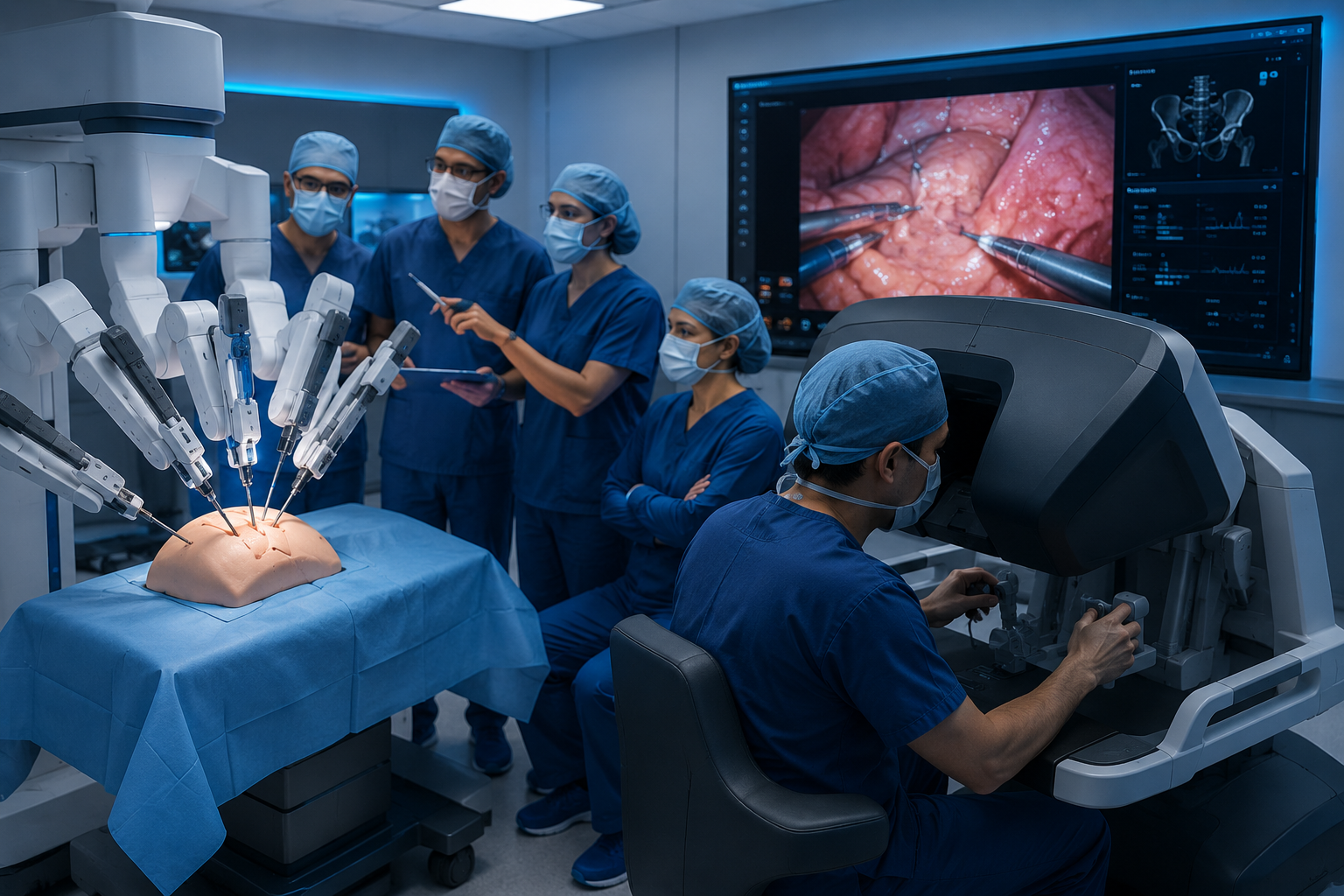
Robotic Surgery

Similar to laparoscopy

Requires expertise and careful patient selection.

Advanced minimally invasive technique in selected centres.

Special Warning About Minimally Invasive Surgery

Higher Risk of Rupture

If tumour is adherent, laparoscopic or robotic surgery may increase rupture risk.

Spill & Dissemination Risk

Abdomen remains under pressure during lap/robotic surgery, increasing spill dissemination risk.

Should only be performed in experienced centres with strict precautions.

GUIDELINE-BASED IMPORTANCE

Clinical Importance

Avoiding tumour rupture is one of the most important surgical principles in ovarian cancer management.

Key Clinical Benefits

  • Stage I classification depends on rupture
  • Prevents stage migration
  • May reduce need for chemotherapy
  • Improves long-term prognosis
Guideline

Guideline-based ovarian cancer management principles

Why Choose a Specialized Centre?

Safe ovarian cancer surgery requires expertise, planning, and oncological precision.

Advanced Surgical Planning

Onco-Surgical Expertise

Proper Intraoperative Judgment

Oncologically Safe Removal

If frozen section suggests cancer, staging surgery can be completed in the same operation — avoiding second surgery.

Surgical Expertise & Real Experience

5.0 Rating

Verified Patient Experiences

Read real stories from patients across India who trusted our specialized surgical protocols for their recovery.

N

Neha S.

Ahmedabad • 1 month ago

"Dr. Swati Shah explained everything clearly and supported us throughout. The surgery was meticulously planned. The Frozen Section during surgery saved me from a second operation."

M

Meena K.

Vadodara • 2 months ago

"Dr. Swati's expertise in Cytoreductive Surgery (CRS) gave my mother a second chance. The facility is world-class and the staff is extremely caring."

K

Kavita R.

Surat • 3 months ago

"Outstanding medical care. The entire process from diagnosis to surgery was transparent, and the robotic surgery option allowed for a much faster recovery than we expected."

A

Aarti P.

Gujarat • 4 months ago

"Dr. Swati's attention to detail is unmatched. She made sure complete tumor removal was done without any rupture. True professional in gynecologic oncology."

S

Sunita D.

Rajkot • 5 months ago

"We came to Ahmedabad specifically for HIPEC therapy under Dr. Swati. The heated chemo treatment was successful and her positive attitude kept our hopes high."

A

Anjali M.

Mumbai • 6 months ago

"As a young patient, I was terrified. Dr. Swati performed a fertility-preserving surgery safely. Today, I am cancer-free and still have hope for a family. Forever grateful."

R

Rekha T.

Ahmedabad • 7 months ago

"Excellent staff and very clean hospital. The TAH+BSO surgery went perfectly, and Dr. Shah personally ensured we understood every post-op instruction."

P

Pallavi J.

Indore • 8 months ago

"My sister was diagnosed with advanced stage 3 cancer. Dr. Swati's accurate staging surgery and clear treatment roadmap restored our hope completely."

D

Dr. Rajesh

Ahmedabad • 8 months ago

"As a fellow doctor, I trust only the best for my family. Dr. Swati’s adherence to global NCCN guidelines and clinical precision is commendable."

S

Smita V.

Bhavnagar • 10 months ago

"The robotic surgery for tumor removal was nearly painless compared to what we read online. The recovery was swift and complication-free."

L

Leela B.

Ahmedabad • 11 months ago

"Such compassionate care. Dr. Swati treats her patients like family. She didn't rush the consultation and made sure we understood every risk and benefit."

P

Pooja C.

Pune • 1 year ago

"We travelled all the way from Pune just to consult Dr. Swati Shah for an ovarian mass. Best decision we ever made. She is a true expert in her field."

G

Geeta N.

Udaipur • 1 year ago

"High-end facility with transparent costs. There were no hidden surprises. The operation was complex but handled with utmost expertise."

B

Bhavna S.

Ahmedabad • 1.5 years ago

"What amazed me most was the post-surgery follow-ups. Dr. Swati’s team checked on me regularly. A genuinely world-class cancer treatment experience."

Expert Consultation

Consult for Safe Ovarian Tumour Surgery

Ovarian Cyst

Complex Ovarian Mass

Suspicious Ovarian Tumour

Early expert evaluation is critical to ensure safe, rupture-free surgery

Freequntly ask
questions?

Yes. If cancer is present, rupture can spread disease and increase stage.

Yes, but only in selected cases with precautions to avoid rupture.

Because it can cause rupture and does not reliably rule out cancer.

Yes. Even early-stage cancers may require chemotherapy if rupture occurs.

Make An Appointment!